
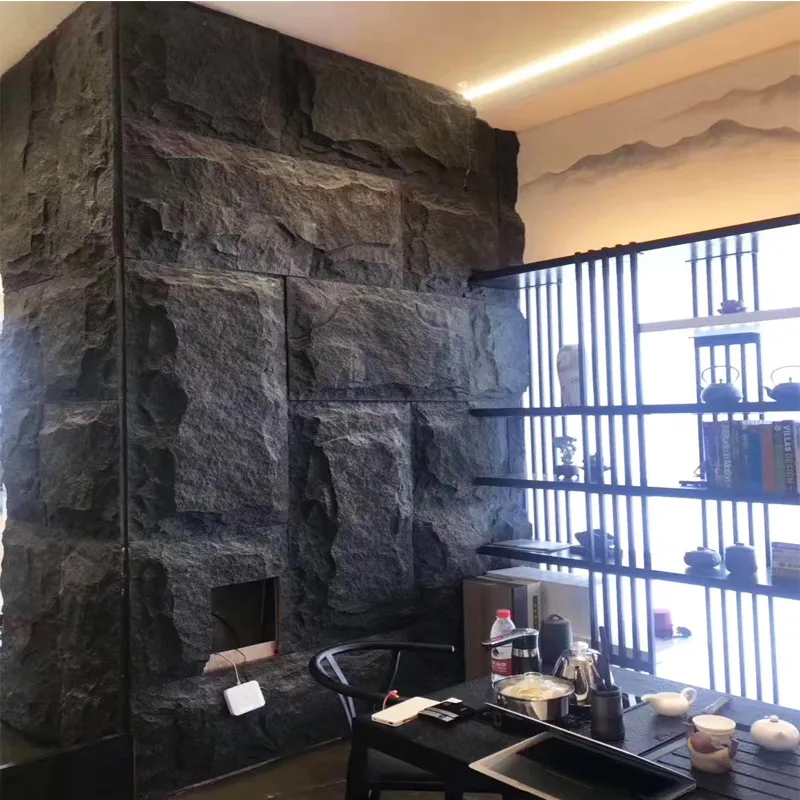
If you've ever walked past a charming cottage with a stone exterior that looks like it's been plucked from a fairy tale, or stepped into a restaurant with a feature wall that feels both rustic and timeless, there's a good chance you were looking at mushroom stone. This unique building material has been turning heads in both residential and commercial projects for years, but if you're thinking about using it in your own space, one question is probably top of mind: how much is this going to cost?
Let's dive in. We'll break down everything that affects mushroom stone pricing, from where it comes from to how it's installed, and even compare it to other popular stones so you can decide if it's the right fit for your budget. Whether you're a homeowner planning a backyard upgrade or a contractor sourcing materials for a client, by the end of this, you'll have a clear picture of what to expect when budgeting for mushroom stone.
Before we talk numbers, let's make sure we're all on the same page about what mushroom stone actually is. Unlike sleek marble or uniform brick, mushroom stone gets its name from its appearance—think of the gills under a mushroom cap, with layers that look like they've been gently peeled away. It's a type of natural stone (though there are synthetic versions too) that's quarried and then split to reveal those signature uneven, textured edges. This gives it a rugged, organic look that adds character to any surface, whether it's an exterior wall, a fireplace surround, or a garden pathway.
You'll often hear it called "masonry stone" in supplier circles, and for good reason—it's a favorite among builders and designers who want to add warmth and depth without going for the polished look of granite or quartz. And because it's so versatile, you'll find it in everything from cozy mountain homes to trendy urban cafes. But versatility doesn't always mean affordability, so let's get into the factors that drive up (or down) the cost.
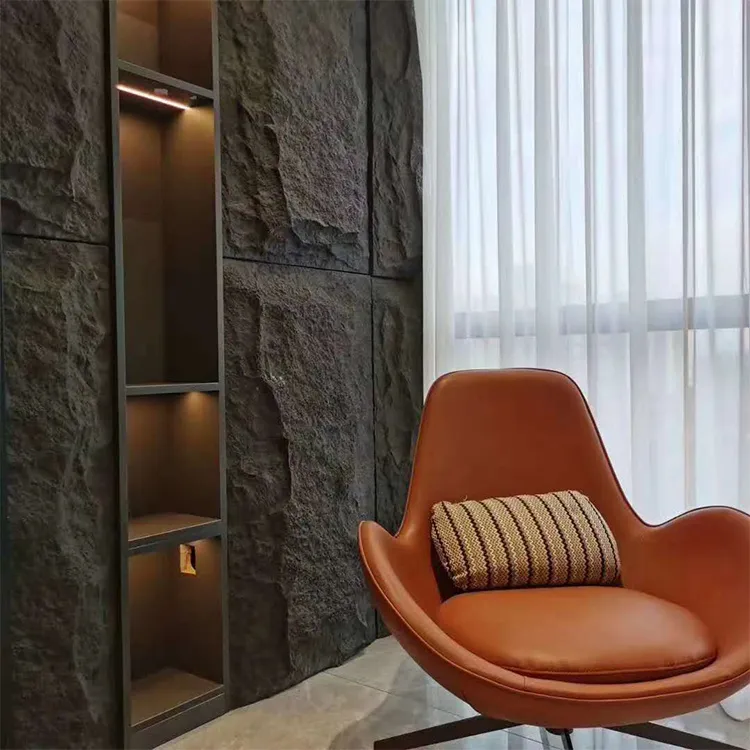
Like any building material, mushroom stone prices aren't set in stone (pun absolutely intended). A lot goes into determining how much you'll pay, and it starts long before the stone ever arrives at your job site. Let's break down the key players:
Natural mushroom stone is quarried from the earth, usually from regions with specific geological formations—think parts of the United States, Europe, or Asia where layers of sedimentary rock have formed over millions of years. Because it's a natural product, each piece is unique, but that uniqueness comes with a cost. Quarrying, transporting, and processing natural stone takes time and labor, which adds up.
Synthetic mushroom stone, on the other hand, is man-made. It's often crafted from a mix of concrete, fiberglass, and pigments to mimic the look of natural stone, but with more consistency in size and color. Since it can be mass-produced in factories, it's usually cheaper than the real deal. But here's the trade-off: while synthetic versions are easier to install and more resistant to weathering in some cases, they might lack the depth and character of natural mushroom stone. For some, that "authentic" look is worth the extra cash; for others, the cost savings and durability of synthetic make more sense.
Not all mushroom stone is created equal when it comes to size. You can find thin veneers (as thin as 1 inch) that are meant to be applied over existing walls, or full-thickness stones (3 inches or more) that stand alone as structural elements. Unsurprisingly, thicker stones cost more—they require more raw material, are heavier to transport, and take longer to quarry and shape.
Size also plays a role in how much coverage you get per square foot. A veneer might cover 10-15 square feet per box, while larger, thicker stones could cover half that. So if you're working with a tight budget, a thin veneer might let you get the mushroom stone look without using as much material. Just keep in mind: thinner stones often need a stronger adhesive or backing, which can add to installation costs later.
Mushroom stone comes in a range of colors, from soft beiges and grays that blend into neutral palettes to richer browns and reds that make a bold statement. But here's the thing: rare colors or stones with unique patterns (like those with flecks of gold or blue) are harder to source, so they'll cost more. For example, a basic gray mushroom stone from a local quarry might be budget-friendly, but a rare pinkish hue imported from a small mine in another country? That could set you back significantly more.
Finish matters too. Some mushroom stone is left in its "natural split" state, with rough, uneven edges that highlight its organic texture. Others are tumbled or polished to smooth out the edges, giving a more refined look. Tumbled or polished stones require extra processing, which adds to the price tag. So if you're drawn to that ultra-rustic, just-pulled-from-the-earth look, you might save a few dollars compared to a more finished version.
Ever noticed how the same product can cost way more at a boutique store than at a big-box retailer? The same logic applies to mushroom stone. A local building material supplier might offer competitive prices if they source directly from nearby quarries, cutting down on transportation costs. But if you're ordering from a specialty supplier that imports rare stones or offers custom cuts, you'll likely pay a premium.
This is where working with a reputable mushroom stone supplier becomes key. A good supplier won't just sell you stone—they'll help you choose the right type for your project, explain the pros and cons of natural vs. synthetic, and even connect you with installers who know how to work with the material. While you might pay a bit more upfront for that expertise, it can save you money in the long run by avoiding mistakes (like buying the wrong thickness or underestimating how much you need).
Mushroom stone is heavy—like, really heavy. A single box of veneer can weigh 50-75 pounds, and full-thickness stones? We're talking hundreds of pounds per pallet. That means transporting it from the quarry or supplier to your job site isn't cheap, especially if you're located far from the source. If you're in a remote area, or if the stone has to be shipped across the country (or even internationally), those transportation fees can add 10-20% to the total cost. Some suppliers include delivery in their pricing, while others charge extra, so always ask upfront.
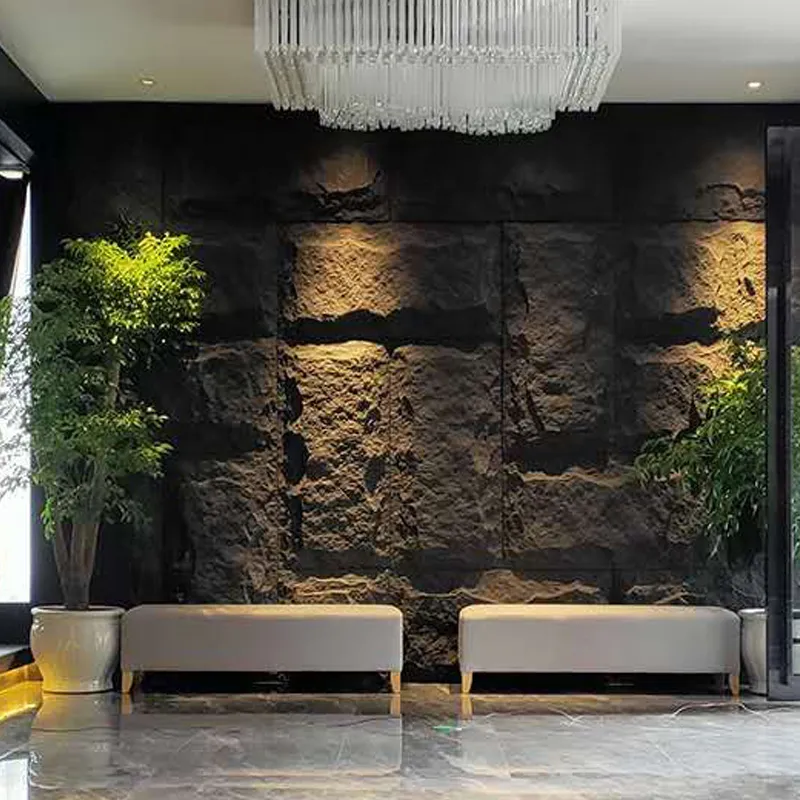
Enough with the variables—let's get to the part you've been waiting for: how much does mushroom stone cost per square foot? Keep in mind that these are 2025 estimates, and prices can vary based on location, supplier, and market demand (yes, even building materials have supply and demand trends!). But here's a general breakdown to help you budget:
| Type of Mushroom Stone | Cost Per Square Foot (Material Only) | Typical Use Case |
|---|---|---|
| Synthetic Mushroom Veneer | $8 – $15 | Interior feature walls, backsplashes, low-traffic exteriors |
| Natural Mushroom Veneer (Local) | $12 – $25 | Residential exteriors, fireplaces, garden walls |
| Natural Mushroom Veneer (Imported/Rare Colors) | $25 – $40 | High-end commercial projects, luxury homes, statement walls |
| Full-Thickness Natural Mushroom Stone | $30 – $60+ | Structural walls, retaining walls, outdoor fire pits |
*Note: These prices are for material only. Installation costs are extra, which we'll cover in a bit!
Let's put that in perspective. If you're planning a small interior feature wall (say, 20 square feet) using synthetic veneer, you're looking at $160 – $300 for materials. A larger project, like a 500-square-foot exterior veneer on a home, could range from $6,000 (local natural veneer) to $20,000 (imported rare stone). And if you're building a full-thickness retaining wall? That could hit $30,000 or more for materials alone, depending on size.
Here's a common mistake people make when budgeting for mushroom stone: forgetting to factor in installation. Unless you're a seasoned DIYer with experience working with stone veneers, you'll probably need to hire a professional mason. And good masons aren't cheap—but they're worth every penny. Improper installation can lead to cracks, water damage, or stones falling off, which will cost way more to fix than it would to hire a pro upfront.
Installation costs for mushroom stone typically range from $10 – $25 per square foot, depending on the type of stone and the complexity of the job. Synthetic veneers are easier to install (lighter, more uniform), so they might be on the lower end of that range. Natural stone, especially irregularly shaped or thick stones, takes more time and skill, so installation could creep toward $25+ per square foot. For a 200-square-foot project, that's an extra $2,000 – $5,000 on top of materials. Ouch, but necessary.
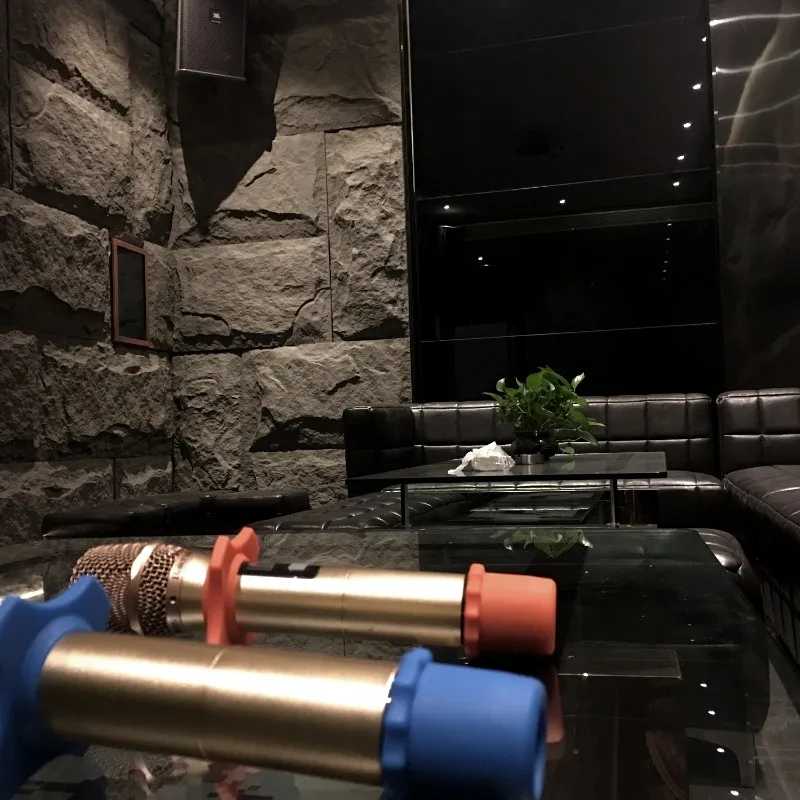
Maybe you're not set on mushroom stone yet—you just love the rustic look. How does it stack up against other popular stones in terms of cost? Let's see:
Cultural stone is another term for "natural stone veneer," and it includes a range of styles (like fieldstone, ledgestone, and yes, mushroom stone). In general, cultural stone averages $10 – $35 per square foot for materials, so mushroom stone falls right in the middle of that range. The main difference? Mushroom stone has that unique "peeled" edge, while other cultural stones might have more uniform or angular shapes. If you want that specific mushroom texture, you might pay a bit more than basic fieldstone but less than rare ledgestone.
Traditional brick is usually cheaper, with materials costing $3 – $10 per square foot. But brick has a very different look—clean, uniform, and more modern or colonial, depending on the style. If you want rustic, mushroom stone is going to cost more, but it also offers a one-of-a-kind texture that brick can't match. For some, the trade-off is worth it for the character.
Granite is a luxury stone, with materials averaging $40 – $100+ per square foot. So mushroom stone is almost always cheaper than granite, especially for exterior use. Granite is polished and durable, but it lacks the warm, organic feel of mushroom stone. If you're going for "cozy cabin" over "sleek modern," mushroom stone is the budget-friendly winner here.
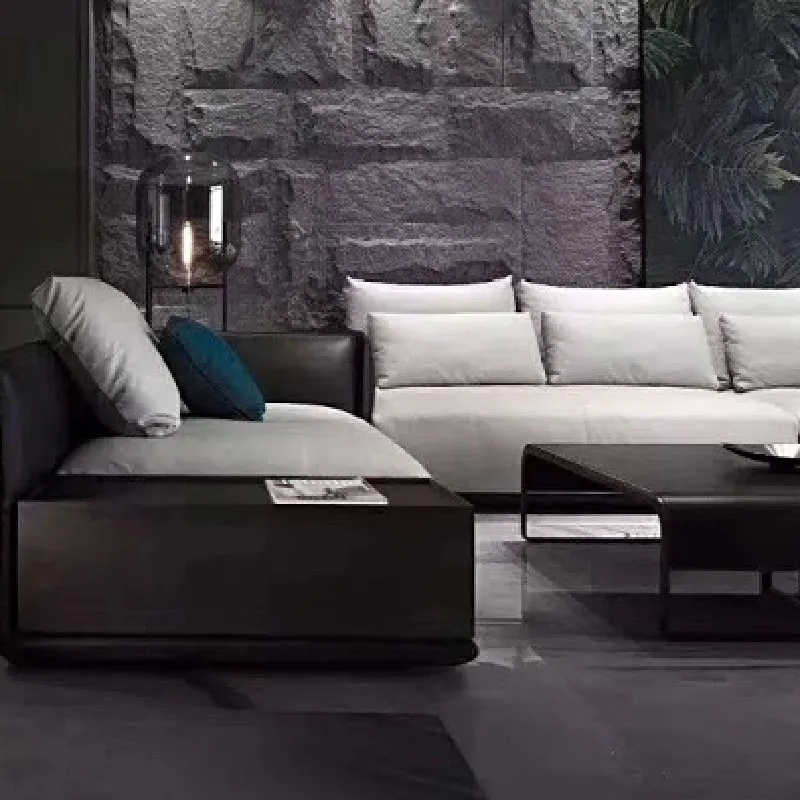
Okay, so mushroom stone isn't the cheapest option out there—but that doesn't mean you can't find ways to keep costs down. Here are a few tricks we've heard from contractors and homeowners who've worked with it:
At the end of the day, whether mushroom stone is "worth it" depends on your priorities. If you value unique texture, durability, and a look that ages well (mushroom stone only gets more charming as it weathers), then the cost is likely justified. It's a material that can increase a home's resale value, too—buyers often pay more for homes with high-quality, distinctive stone features.
On the flip side, if you're working with an extremely tight budget, or if you need a material that's super low-maintenance (synthetic mushroom stone is easier than natural, but still needs sealing every few years), you might want to explore alternatives. But for many, the answer is a resounding yes—there's just something about that rough, organic edge that makes a space feel like home.
Now that you have a sense of mushroom stone costs, the next step is to get specific. Head to your local building material supplier and ask to see samples—hold them, feel the texture, and imagine how they'll look in your space. Get a quote based on the size and type of stone you want, and don't forget to ask about installation costs from local masons. If you're feeling overwhelmed, many suppliers offer free design consultations to help you figure out how much stone you need and where to use it.
Mushroom stone isn't just a building material—it's a way to add personality and warmth to any project. With a little planning and budgeting, you can bring that fairy-tale charm to your own home or business without breaking the bank. Happy building!
Recommend Products












