
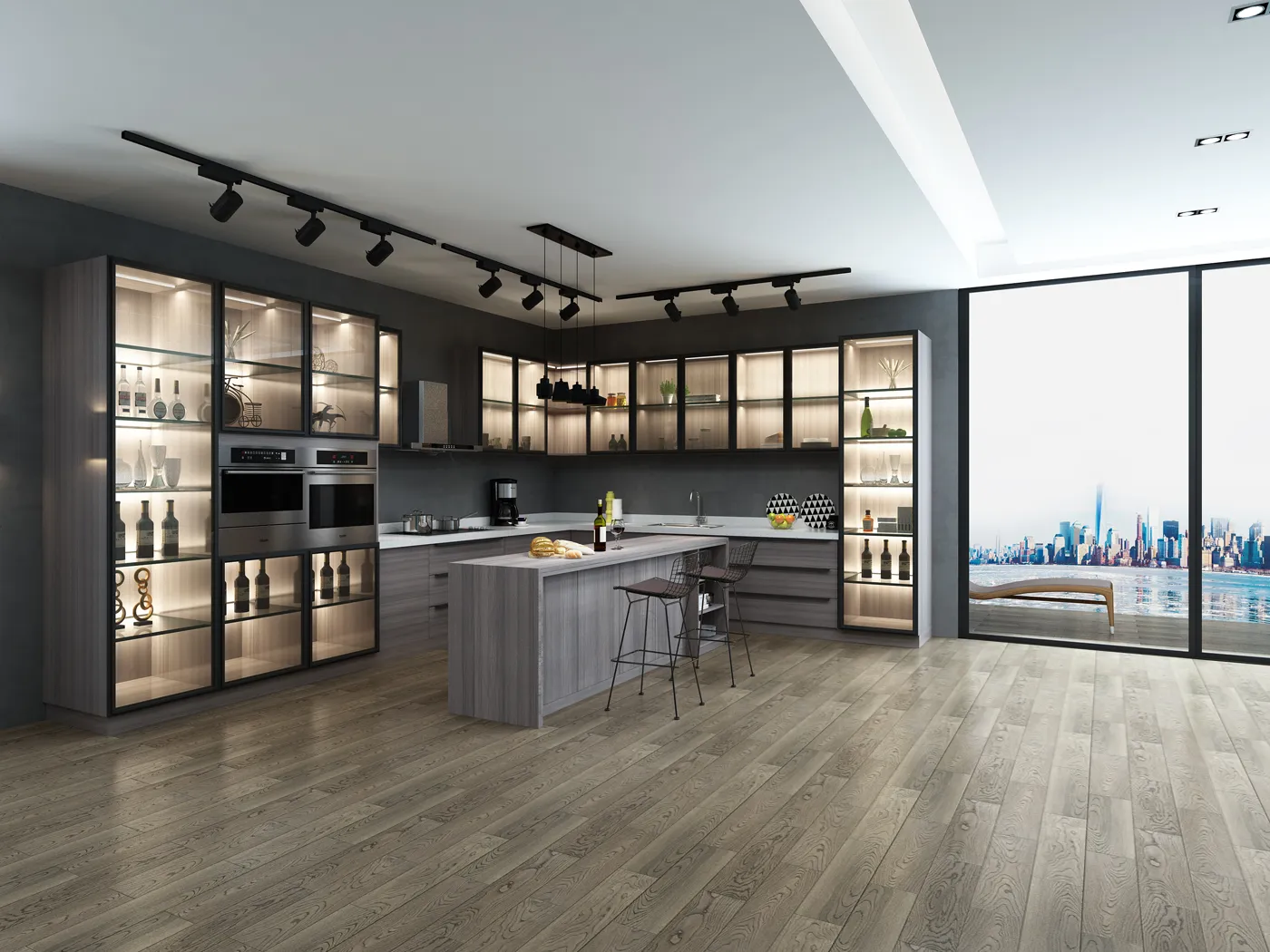
You're standing in your kitchen, imagining that dream renovation you've been sketching in notebooks and saving for over years. The countertops, the backsplash, that perfect layout... but wait - what about the hardware? It's easy to overlook those little knobs and handles when thinking about kitchen cabinets, but trust me, they're the quiet game-changers that can either make your investment shine or quietly sabotage your budget.
Kitchen hardware is like the jewelry that completes an outfit - it might seem small, but it fundamentally transforms how everything comes together. And here's what no one really tells you upfront: those "small" choices actually carry big weight in your wallet. Get this decision wrong, and you might find yourself paying a whole lot more than you bargained for down the road.
Let's talk brass tacks. Hardware in kitchen design isn't just decorative; it's where beauty meets practicality every single day. These are the components your hands touch morning after morning when grabbing coffee mugs, evening after evening when hunting for spices. They're the workhorses that withstand hundreds of daily interactions.
Think about it - your cabinet hardware directly impacts:
Quality hardware elevates cheap cabinets dramatically. Conversely, cheap hardware drags down beautiful cabinetry. That tension reveals how hardware plays a disproportionately large role relative to its size. If you're investing in beautiful plywood kitchen cabinets - which is a fantastic choice for durability - what good is that investment if you cheap out on hinges that fail?
That's the central mistake many homeowners make. They pour money into visible cabinet surfaces while treating hardware as bargain-bin afterthoughts. Yet hardware is precisely where you feel the quality difference daily. When you start viewing hardware not as decoration, but as performance parts for your most-used room, the value equation shifts.
So how do these choices actually translate to dollars? Let's get real about the numbers - but remember, we're talking averages that can vary wildly by region and supplier:
| Hardware Type | Budget Option Cost | Premium Option Cost | Impact on Total Cabinet Cost |
|---|---|---|---|
| Hinges (per cabinet) | $1.50-$3 | $8-$25 | 15-40% increase on hardware line |
| Drawer Slides (per drawer) | $5-$10 | $25-$100+ | 50-300% increase |
| Knobs & Pulls (each) | $2-$8 | $15-$60+ | 20-150% increase |
At first glance, you might think, "I'll save hundreds by going budget." But hardware costs multiply because every cabinet needs multiple pieces. For a medium-sized kitchen with 20 drawers and 30 doors, the difference between "bare minimum" and "thoughtfully selected" hardware can easily exceed $1,500 - approaching what many people spend on countertops.
Sarah went the low-cost route to stretch her renovation dollars. The hinges felt slightly loose immediately. By year two, two doors were sagging and cabinet interiors showed accelerated wear. Drawer slides started sticking by year three. When added up? She spent nearly the price difference on repairs and replacements.
James invested in soft-close full-extension drawer slides and robust hinges while saving on simpler cabinet knobs. Ten years later, everything functions smoothly. He saved nearly 20% off Sarah's total spend, avoided frustration, and actually enjoys the experience of opening cabinets.
This is where many homeowners gasp - hardware really can mean a 15-30% swing in total cabinet installation costs! Unlike changing your mind about paint color down the road, hardware mistakes become expensive fixes. If your hinges fail, replacing them requires partially dismantling cabinets. Weak drawer mechanisms mean replacing the entire slide track.
Let's demystify why some hardware costs so much more. Is it hype? Sometimes. But often, you're paying for engineering that solves genuine problems:
But how do you know when to spend? Watch for industry secrets that reveal true quality:
"When our kitchen designer suggested spending $80 per pair on drawer slides, I nearly choked. But my husband insisted, saying he'd had great slides in his grandfather's workshop. Twenty years later? These drawers open with the same smooth, silent motion they did on day one, while neighbors' kitchens had creaky drawers within five years. I've gone from skeptical to evangelical about hardware quality." - Elena, homeowner since 2003
You don't need to bankrupt yourself on hardware. Smart homeowners focus spending where it matters most:
The Golden Rules of Hardware Budgeting:
Here's a powerful strategy rarely discussed: Pairing investment-grade hardware with custom kitchen cabinets doesn't mean 100% custom prices. Many cabinet manufacturers offer standard cabinet sizes using high-quality materials while avoiding custom millwork prices. These can become the perfect middle-ground pairing - premium boxes with premium hardware without luxury price tags.
Also, never underestimate the cumulative value of time savings. Hardware requiring constant adjustment or creating daily friction becomes a life quality tax. Premium hardware that just works? That pays mental dividends every single day you use it. That's impossible to calculate on spreadsheets but profoundly real.
Your kitchen cabinets deserve hardware that complements their purpose - functional art you actually enjoy interacting with daily. The true cost of hardware isn't just about the initial price tag; it's how those little pieces impact everything from cabinet longevity to cooking experience to repair bills.
The most successful renovations view hardware as integral to the cabinet system, not incidental decorations. By understanding how much hardware matters to both function and budget, you avoid overspending where it doesn't count and critical underspending where it truly matters. The result? A kitchen that looks and performs beautifully not just today, but for decades to come - where every drawer slide and hinge becomes a small daily pleasure, quietly validating your smart investments.
Recommend Products












