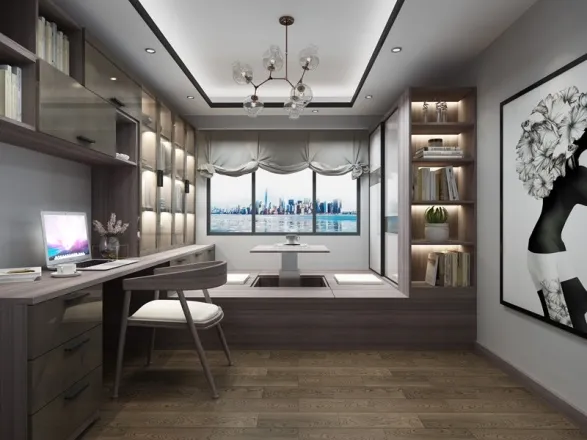
So, you're dreaming about bringing authentic Japanese elegance into your home? Those iconic woven mats we've seen in movies and meditation spaces have a magnetic pull, don't they? But when that Pinterest inspiration meets reality, the first question that pops up is always: "Okay, but what's this going to cost me?"
Let's clear something up right away: tatami pricing isn't as straightforward as picking up a rug from your local home store. These traditional floor coverings are like works of art, and their prices dance to different tunes depending on whether you're buying from Kyoto or Kansas. We're talking about everything from ultra-premium mats made with top-shelf Japanese rush grass to clever waterproof options that laugh in the face of spilled green tea.
Just last month, I talked to Sarah from Portland who nearly fell over when she saw shipping quotes. "I expected the mats to cost," she told me, "but nobody warned me about the shipping shock!" That's why we'll break down those hidden costs too - because your dream Japanese oasis shouldn't come with financial heartburn.
Tatami isn't just a floor covering - it's lifestyle upgrade with a backstory stretching back centuries. Whether you're creating a minimalist zen space or adding texture to a modern loft, understanding these costs is crucial. We'll walk through every dollar together, from material choices you'll make while sitting comfortably at home to potential surprises that could pop up at customs.
Imagine walking into a premium tatami workshop in Osaka. You'd find mats spanning a spectrum from "traditional perfection" to "modern practicality." The price differences reflect centuries of craftsmanship meeting contemporary innovation.
| Tatami Type | What Makes It Special | Price per Mat (JPY) | Best For |
|---|---|---|---|
| Premium Japanese Igusa | The champagne of tatami, hand-woven with top-grade domestic rush grass, perfect earthy aroma | 50,000+ | Authentic tearooms, heritage spaces, luxury installations |
| Standard Igusa | Real rush grass with slight quality variations, offers that traditional feel | 30,000 | Most residential projects where tradition matters |
| Chinese Igusa | Budget-friendly rush alternative with good durability | 20,000 | Large areas where cost is key, rental properties |
| Daiken Washi Tatami | Synthetic paper surface, mold-resistant, water-wipeable | 25,000 | Families, kitchens nearby, allergy sufferers |
| Sekisui Migusa | Resin-based with stylish designs, available in modern colors | 25,000 | Contemporary interiors, artistic statement pieces |
Here's the thing that surprised me when I first researched this: that fluffy top layer we love isn't the whole story. Below that fragrant surface sits the "doko" foundation - typically compressed rice straw boards that add cushioning and insulation. Premium versions use engineered wood for enhanced durability in humid climates.
If you order tatami while living in Kyoto versus ordering it from overseas, your wallet will feel the difference. Locals might enjoy mats as low as ¥15,000 in some regional shops, but add international shipping and that price can double or triple.
Tomás in Barcelona shared his experience: "I found the same Sekisui Migusa mat quoted at ¥28,000 locally in Japan, but the all-in cost to Spain was ¥45,000. When you factor in shipping risks, that gap makes sense."
Before you start measuring your room, know that tatami dimensions follow a historical logic. You won't find random sizes; they come in standardized dimensions that have evolved regionally:
| Tatami Size Name | Dimensions (cm) | Commonly Used In | Special Notes |
|---|---|---|---|
| Kyoma (Kyoto Size) | 95.5 × 191 | Traditional Kyoto homes, tea ceremony rooms | Longer proportions create elegant spaces |
| Edoma (Tokyo Size) | 88 × 176 | Most modern Japanese homes, compact spaces | Better for tight budgets and smaller rooms |
| Designer Sizes | Varies | Contemporary spaces, custom installations | Adds 20-40% to base costs |
Now, let's talk real room measurements. Say you're tatami-ing a standard 3-mat bedroom (about 5.4 sq meters). Your cost would look something like:
Shipping tatami isn't like shipping a t-shirt. These bulky rectangles need special handling and have a passport of their own. Let's break down how you'll get your mats from the workshop to your living room:
| Shipping Method | Cost for 6 Mats | Delivery Time | Best For |
|---|---|---|---|
| EMS (Air Freight) | ¥200,000+ | 3-7 days | Urgent projects, small batches |
| Sea Freight | ¥100,000+ | 1-3 months | Large orders, patient planners |
| Foldable Tatami Option | 30-50% less than standard | Varies | Budget-conscious overseas buyers |
The foldable tatami revolution is quietly changing the game. By engineering traditional mats to fold like triptych artworks, they transform from oversized cargo to standard packages. I recently spoke with Kenji from Higuchi Tatami Shop: "Our foldable versions ship at standard package rates. For Toronto, that meant ¥52,000 instead of ¥175,000 for six mats."
Here's a curveball many first-time buyers miss: tatami isn't always welcome at borders. Natural igusa mats face plant quarantine restrictions in several countries:
Countries where traditional rush grass tatami faces import restrictions: United States, Australia, New Zealand, Philippines, Indonesia.
Countries where Japanese igusa tatami can be imported: Canada, UK, France, Germany, Singapore.
But here's the good news: synthetic alternatives like Daiken Washi or Sekisui Migusa typically sail through customs. Their plant-free composition makes them global citizens. When Rachel in Melbourne learned she couldn't import real igusa: "I was devastated until discovering the Sekisui Migusa line. The charcoal gray mats became the focal point of my modern zen room."
Once your precious mats arrive, the installation journey begins. Professional installation isn't just about placing mats - it's about creating harmony:
DIY installation is absolutely possible, especially with synthetic mats designed for modern living. The minimalist in me loves that many companies now include detailed installation guides. Alex from Chicago installed his Daiken Washi mats over a weekend: "The videos made it manageable, but I recommend having three friends: two to position mats and one to fetch cold drinks."
Cost: ¥1,500-¥3,500/sqm
Cost: ¥2,000-¥4,500/sqm
Cost: ¥1,800-¥7,000/sqm
While tatami represents a higher initial investment, its longevity often surpasses alternatives when properly maintained. The cultural value adds intangible worth that transforms a room's atmosphere. As interior designer Elena Rodriguez notes: "Tatami isn't just flooring - it's an invitation to slow down and breathe differently."
Proper maintenance will keep your tatami mats feeling and smelling fresh for years:
Recommend Products