


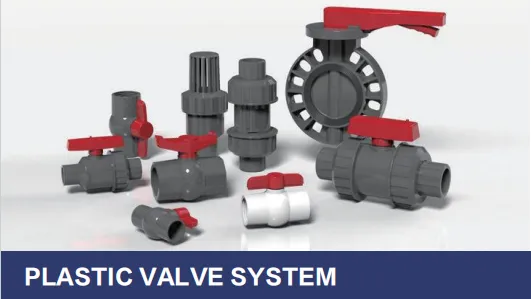
Hey there! If you're researching plastic valve systems, I totally get why you're here. Maybe you're renovating your home's plumbing, setting up an irrigation system, or tackling an industrial project. Whatever your situation, one question keeps popping up: "What's this really going to cost me?" Let's break it down together without the confusing jargon.
Why Plastic Valves Might Be Your New Best Friend
Plastic valves aren't just cheaper cousins of metal valves - they've got some serious superpowers you'll love. Imagine never worrying about rust when they're constantly exposed to water or chemicals. Plastic valves laugh in the face of corrosion! They're also surprisingly light, so you won't wreck your back hauling them around the job site.
And talk about easy to install... Unlike their metal counterparts, you don't need fancy welding gear or special tools. Just some basic PVC cement or threaded connections, and you're golden. They play nice with all sorts of liquids too - from your garden hose water to more aggressive industrial chemicals. No wonder they've become the go-to choice for so many applications!
Breaking Down the Cost Factors
Okay, let's get real about what actually affects your wallet:
- Material Matters: PVC valves? Super affordable. CPVC? Slightly pricier but handles hotter temps. PEX? Flexible but costs a bit more.
- Size = Price: That tiny ½" valve might cost you a latte, but a massive 8" industrial valve? Could rival a car payment.
- Valve Type: Basic ball valves = simple & cheap. Specialty solenoid valves = higher price tag.
- Connection Style: Slip-fit is budget-friendly, threaded costs more, but flanged connections? Definitely premium.
Don't forget brand reputation either. That trusted name you've seen everywhere usually means better quality but costs more upfront. The quantity? Like Costco - buying in bulk saves serious cash. And automated systems? Super convenient but require extra investments in controls.
Your 2025 Price Cheat Sheet
| Valve Type | Size Range | Typical Price Range | Best For |
|---|---|---|---|
| PVC Ball Valves | ½" - 2" | $5 - $25 | Residential plumbing, garden irrigation |
| CPVC Ball Valves | ½" - 2" | $8 - $35 | Hot water lines, chemical applications |
| PEX Shutoff Valves | ½" - 1" | $4 - $15 | Under-sink plumbing, radiant heating |
| PVC Check Valves | 1" - 4" | $12 - $60 | Preventing backflow in irrigation/pools |
| Industrial Butterfly Valves | 3" - 12" | $50 - $500+ | Large-scale water systems, processing plants |
| Solenoid Valves | ¼" - 2" | $25 - $200+ | Automated sprinkler systems, industrial controls |
The Hidden Cost-Saving Magic of Plastic Valves
Here's the real talk on plastic valves that doesn't always get mentioned: They save you money over time. Imagine never needing special coatings or treatments to fight rust. They resist chemical corrosion way better than brass or stainless steel, meaning fewer replacements.
Installation? Often simple enough that you can DIY with basic tools instead of hiring expensive professionals. And since they're lightweight, shipping costs won't make your eyes water. They work with all types of pipe fittings, allowing you to mix and match components to control costs.
The maintenance game is different too. No more stubborn seized valves requiring breaker bars - just simple cleaning every couple of years. And talk about energy savings... The smooth interior surfaces mean less friction and better flow rates. That equals lower pump energy costs, especially in large systems!
Designing a System That Won't Break the Bank
Want to save money without cutting corners? Here's how:
- Standardize valve types across your system - fewer spare parts to buy
- Use schedule 40 PVC instead of heftier options unless absolutely needed
- Try flangeless butterfly valves - they give industrial performance at lower cost
- Get automated systems with smart controllers that prevent water waste
And pro tip: Buy quality brands that include long warranties. Might cost more upfront but saves on replacements later. Remember that your installation approach matters too - manual valves need accessible spots so maintenance isn't a nightmare. And proper glue joints prevent costly leaks down the road!
Listen, nobody likes throwing money away. By choosing the right plastic valve system upfront, you avoid expensive mistakes that come back to bite you later. That's why I always recommend investing in proper design - it pays off when your system runs smoothly for years without constant repair bills.
Making Your Decision Easier
Choosing plastic valves isn't just about price tags - ask yourself:
- What's flowing through these? (water, chemicals, slurries?)
- What temperatures will they face?
- How often will valves be operated?
- Will the system be exposed to sunlight or weather?
- Do you need automation?
For most homeowners, PEX or schedule 40 PVC ball valves strike the perfect balance of cost and performance. Irrigation folks? Check valves and anti-siphon valves prevent contamination. Industrial users should consider CPVC or PVDF for chemical resistance.
Installation: The Hidden Cost Factor
That $15 valve isn't actually $15 when you factor in installation:
- DIY install: Cost of tools + supplies (cement, tape, etc.)
- Plumber hire: $45-$150/hr plus parts markup
- Industrial install: Engineering + heavy equipment costs
Cut costs by learning basic PVC joining techniques. It's not rocket science - with a bit of practice, you can handle simple valve replacements. For bigger projects? Get multiple quotes and ask about volume discounts.
Long-Term Ownership Costs
Here's what many miss - the ongoing costs after installation:
- Minimal cleaning required every 2-3 years
- Replacing seals every 5-7 years (~$2-$20 per valve)
- Possible actuator replacement on automated valves
- Energy savings from efficient water flow
Contrast this with metal valves needing corrosion treatment, lubrication, and eventually replacement. Plastic's total cost of ownership often wins by a mile. Your system's design also impacts maintenance - placing valves where they're easily accessed saves hours of frustration later.
Look, I've seen both sides - the homeowner who cheaped out on valves and dealt with constant leaks, and the plant manager who overspent unnecessarily. Smart plastic valve choices come down to understanding your specific needs rather than chasing the lowest price. Quality matters, but you don't need gold-plated valves for your garden hose!
Your Action Plan
Ready to move forward? Here's how to save smart:
- Sketch your system layout before shopping
- select standard valve sizes (more options, better prices)
- Prioritize pressure-rated valves for critical applications
- Compare prices online and at local suppliers
- Consider multipacks where appropriate
Remember that your local supplier might actually beat online prices if you ask. And don't skip the thread sealant or cement - using the right stuff prevents leaks that cost more later. For larger projects, manufacturers often offer direct pricing that can save significantly.
Wrapping It Up
At the end of the day, plastic valve systems balance affordability and performance better than anything else out there. Whether you're spending $50 on a simple garden setup or $5,000 on an industrial installation, the key is matching the valve to your specific needs.
Cheap valves tempt your wallet today but often cost more in frustration tomorrow. Premium valves? They earn their keep in demanding situations. For most projects, mid-range valves from reputable brands deliver that perfect sweet spot of price and reliability.
So go ahead - tackle that irrigation project, upgrade your plumbing, or design that industrial system with confidence. Armed with these cost insights, you're ready to make choices you won't regret down the line!










