
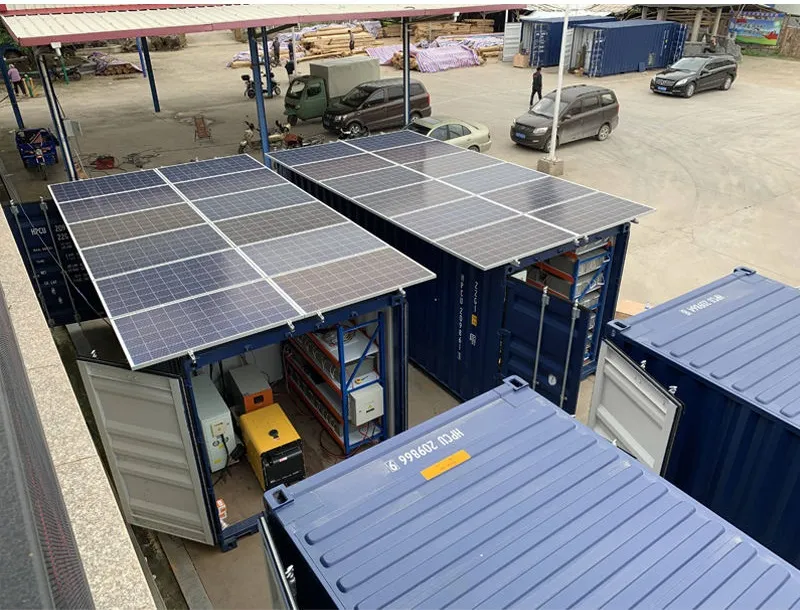
Your Complete Guide to Designing Efficient Commercial Solar Arrays
Picture this: You're standing in an open field, sunlight warming your face as you envision rows of glistening solar panels silently converting sunshine into serious power. But exactly how many of those panels would it take to build a 500kW solar power station? The truth might surprise you – it's not just about slapping panels together. From peak sun hours to temperature derating, we're revealing everything you need to plan an efficient commercial solar installation that leverages the latest in green and environmentally friendly building materials technology.
Not all sunlight is created equal. Your geographical position dramatically impacts energy production. California's sun-baked Mojave Desert (6+ peak sun hours) will need fewer panels than cloudy Seattle (3.5 hours). It's like farming: rich soil yields better harvests with less land. Use NASA's Solar Irradiance Map to find your local sun-hours before planning.
Panel wattage determines your solar team's strength. Using 300W laborers? You'll need a small army. But deploy 550W heavy-hitters? You'll manage with fewer hands. Today's commercial stations typically use 400-600W panels – like bringing industrial equipment instead of hand tools. Efficiency matters too: premium panels convert up to 22% of sunlight versus 15% in budget models.
Ever notice how highways slow down during rush hour? Energy faces similar traffic jams. Inverter conversion losses (3-5%), wiring resistance (2%), dust buildup (7%), and even heat derating (10-25%) steal your power before it reaches the grid. Real-world systems typically lose 15-23% overall – that's why we calculate "nameplate" vs. "operational" capacity.
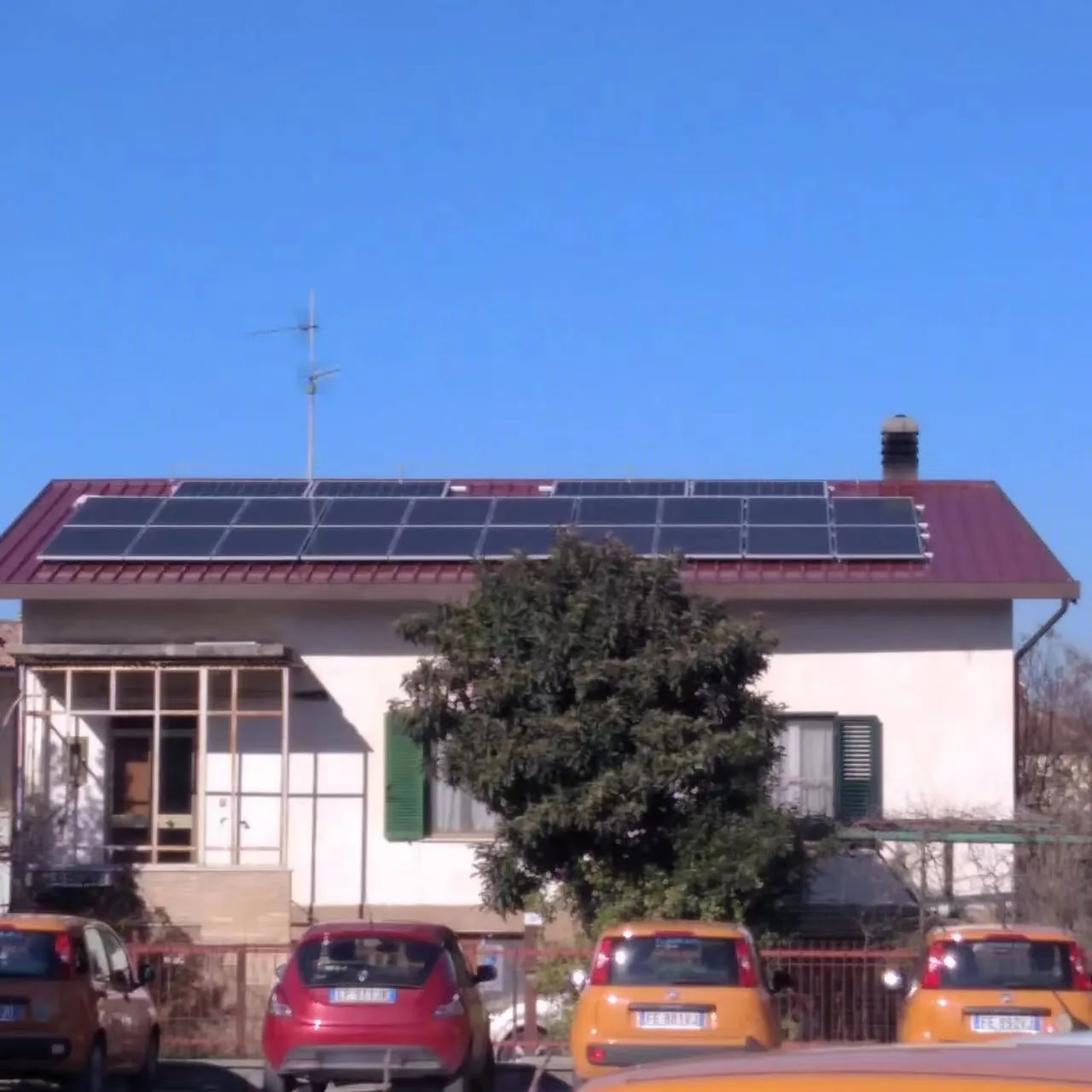
Think of solar math like baking: precise ratios guarantee perfect results.
Daily energy needed: 500,000 watts ÷ system efficiency
Panels required = (Total Wattage × System Losses) ÷ (Panel Wattage × Peak Sun Hours)
Real-world monitoring showed actual output within 3% of projections – proof proper math prevents surprises!
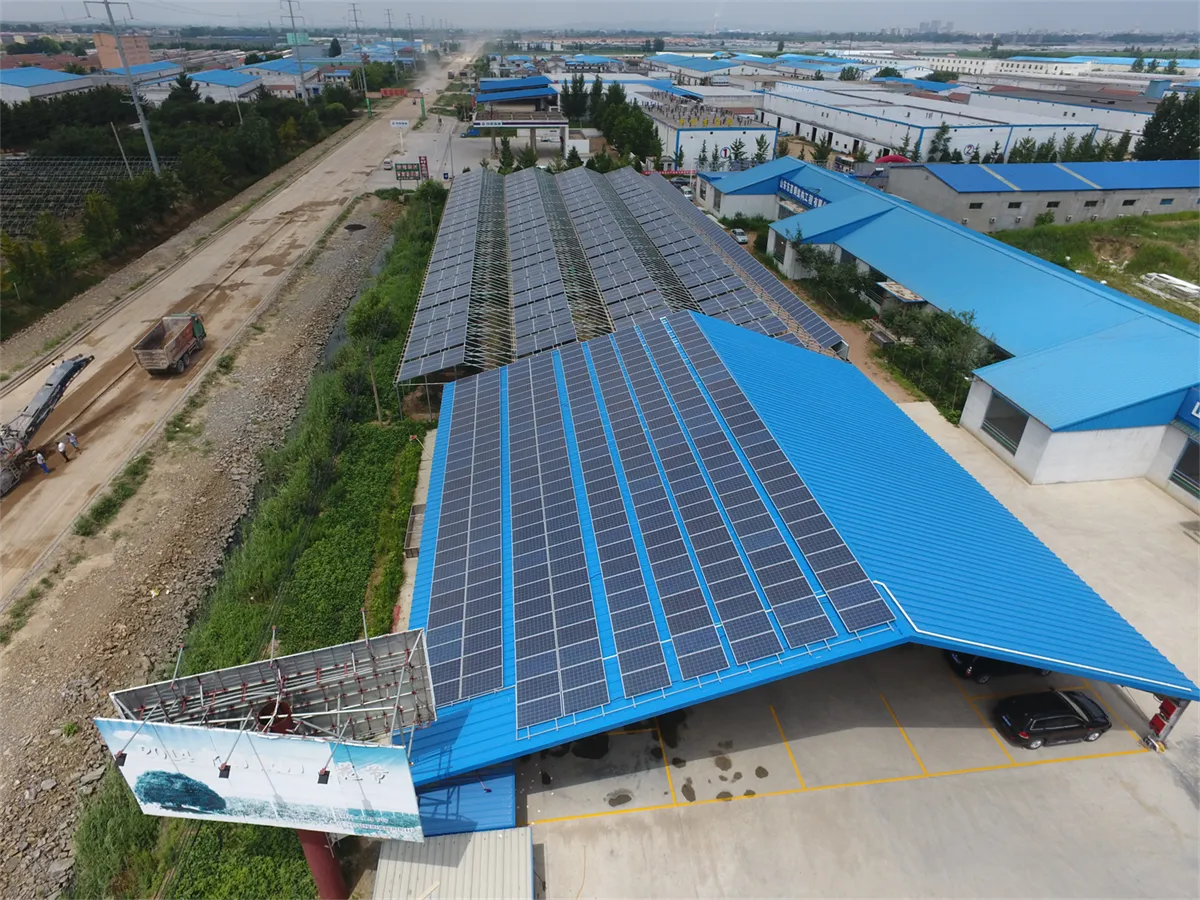
| Panel Wattage | Sun Hours | Panels Needed | Space Required | Commercial Applications |
|---|---|---|---|---|
| 340W | 4.5 | 1,630 | ~8,500 sq ft | Older warehouses |
| 450W | 5.0 | 1,080 | ~6,200 sq ft | Mid-sized factories |
| 540W | 5.5 | 855 | ~4,900 sq ft | Distribution centers |
Note: Higher sun hours dramatically reduce required panels. Southwest installations may need 30% fewer panels than Northeastern sites.
Picture double-sided panels absorbing light from both sides – like collecting rainwater with buckets instead of cups. Modern bifacial units can boost yield by 11-23% when installed over reflective surfaces like white gravel.
Autonomous cleaning robots traverse arrays at night, preventing the 1% monthly performance drop from dust accumulation. It's like having a tiny janitorial crew working 24/7 to maintain peak efficiency.
Let's talk money – because green dreams need greenbacks. A well-designed 500kW system typically delivers:
Pro tip: Work with lenders specializing in commercial and industrial solar energy projects – they understand depreciation schedules and specialized financing vehicles.
Technically yes – practically it's like putting diesel in a Tesla. Mismatched panels create voltage conflicts, forcing entire strings to perform at the weakest link. Stick to identical models unless using microinverters.
Quality panels degrade only 0.5% annually – that's 87% efficiency after 25 years. Factor in longevity when choosing suppliers; premium warranties now cover 30+ years of commercial operation.
Designing a 500kW solar power station requires more than simple division – it's about harmonizing geography, technology, and economics. While the typical commercial installation runs 850-1,200 panels, your exact number hinges on choosing ecological building wall panels technology wisely. Partner with engineers who model hourly sunlight patterns using tools like PVsyst – because when dealing with six-figure investments, precision matters more than estimates. Ready to harness the light? Your customized solar blueprint starts with knowing your unique location.
Recommend Products












