
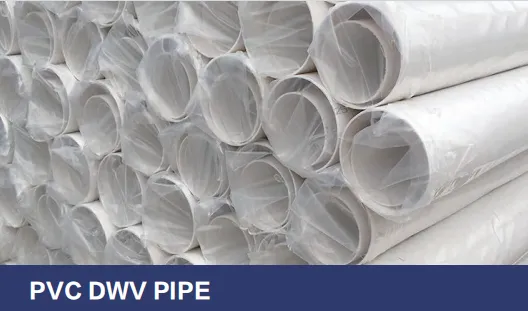
When we think about the buildings we live, work, and play in, we rarely stop to appreciate the silent systems that keep them functional. Behind the walls, under the floors, and within the foundations lies a network of pipes that quietly manage one of our most basic needs: waste and water removal. This network, known as the Drain-Waste-Vent (DWV) system, is the unsung hero of modern plumbing. And at the heart of many DWV systems today? PVC DWV pipes. But just how long can these pipes be trusted to perform? If you're a homeowner, builder, or someone considering a plumbing upgrade, this question isn't just about curiosity—it's about investment, peace of mind, and avoiding costly replacements down the line. Let's dive into the world of PVC DWV pipe solutions, explore their lifespan, and uncover what makes them a staple in construction around the globe.
Before we talk about pipes, let's clarify what DWV stands for. DWV is an acronym for Drain-Waste-Vent, and it refers to the part of a plumbing system responsible for three critical tasks: Drainage (carrying wastewater away from sinks, showers, and appliances), Waste removal (transporting solid waste from toilets), and Venting (allowing air to enter the system to prevent suction that could trap water in traps and allow sewer gases to back up into living spaces). Without a properly functioning DWV system, even the most beautiful building would quickly become uninhabitable.
Historically, DWV systems were built using materials like cast iron, clay, or galvanized steel. These materials, while durable in their time, came with drawbacks: cast iron was heavy and prone to rust, clay was brittle and easily cracked, and steel corroded over time. Enter PVC—polyvinyl chloride—a synthetic plastic polymer that revolutionized plumbing when it was introduced for DWV applications in the mid-20th century. Today, PVC DWV pipes are the go-to choice for many builders, and for good reason.
PVC DWV pipes are specifically designed for the unique demands of DWV systems. Unlike pipes used for pressurized water (like those from a PPR pipe and fitting supplier), DWV pipes don't need to withstand high water pressure. Instead, they need to handle the flow of wastewater, resist corrosion from chemicals in sewage, and maintain structural integrity over decades. So, what sets them apart?
First, their composition. PVC DWV pipes are made from rigid PVC resin mixed with stabilizers, impact modifiers, and pigments. This blend creates a material that's lightweight yet strong, resistant to chemicals, and smooth on the inside—reducing the risk of clogs from debris buildup. Unlike the flexible pipes you might find from a PEX pipe and fitting supplier, PVC DWV pipes are rigid, which helps them maintain their shape and slope (critical for proper drainage) over time.
Another key feature is their ease of installation. Unlike heavy cast iron pipes that require specialized tools and multiple workers to maneuver, PVC DWV pipes are lightweight, easy to cut, and join using solvent cement—a process that creates a permanent, leak-proof seal. This not only speeds up construction but also reduces labor costs, making PVC DWV pipe solutions a cost-effective choice for both residential and commercial projects.
The million-dollar question: What's the lifespan of PVC DWV pipe solutions? The answer, like many things in construction, isn't set in stone—but it's impressively long. Industry experts generally agree that well-manufactured, properly installed, and well-maintained PVC DWV pipes can last 50 to 100 years . Some manufacturers even offer warranties of up to 50 years, a testament to their confidence in the material's durability.
But why such a wide range? Because lifespan depends on several factors, which we'll break down below. Think of it like a car: a well-made car with regular maintenance will last longer than one that's poorly built and neglected. The same principle applies to PVC DWV pipes.
1. Material Quality: Not All PVC is Created Equal
The foundation of a long-lasting PVC DWV system starts with the quality of the material itself. A reputable PVC DWV pipe supplier will use high-grade PVC resin and adhere to strict manufacturing standards (like ASTM D2665, the standard specification for PVC DWV pipes in the U.S.). These pipes are tested for impact resistance, chemical resistance, and dimensional stability. On the flip side, low-quality pipes from uncertified suppliers may contain impurities or use recycled plastic that's weaker, leading to cracks, leaks, or premature failure.
2. Installation: The Devil is in the Details
Even the best pipes from the top PVC DWV pipe supplier can fail if installed incorrectly. Common installation mistakes include improper slope (DWV pipes need a slight slope to ensure wastewater flows freely—too little slope causes stagnation, too much can lead to erosion), using the wrong fittings, or applying solvent cement incorrectly (not cleaning the pipes before gluing, or not allowing enough time for the cement to set). A skilled plumber familiar with PVC DWV pipe solutions will avoid these pitfalls, ensuring the system functions as intended for decades.
3. Environmental Conditions: Where the Pipes Live Matters
PVC DWV pipes are tough, but they're not invincible to their surroundings. Extreme temperatures can affect their lifespan: prolonged exposure to direct sunlight (UV radiation) can cause discoloration and brittleness, which is why pipes installed outdoors are often painted or insulated. In cold climates, unprotected pipes may crack if water inside freezes and expands. Soil conditions also play a role—pipes buried in acidic or clay-heavy soil may degrade faster if not properly cushioned or coated.
4. Maintenance: A Little Care Goes a Long Way
While PVC DWV pipes are low-maintenance compared to older materials, they still benefit from regular check-ups. Clogs from hair, grease, or foreign objects can create pressure buildup, weakening pipes over time. Chemical drain cleaners, if used excessively, can corrode pipe joints. Tree roots are another enemy—they can infiltrate small cracks in underground pipes and grow, causing blockages and structural damage. Simple habits like avoiding pouring grease down drains and scheduling annual inspections can extend the life of a PVC DWV system significantly.
To truly understand why PVC DWV pipe solutions are so popular, it helps to compare them to other common DWV materials. Let's take a look at how they measure up in terms of lifespan, pros, and cons:
| Material | Average Lifespan | Pros | Cons | Best For |
|---|---|---|---|---|
| PVC DWV | 50–100 years | Lightweight, corrosion-resistant, cost-effective, smooth interior (reduces clogs) | Less flexible than PEX; can become brittle in extreme cold without insulation | Residential homes, commercial buildings, schools, hospitals |
| Cast Iron | 75–100 years | Extremely durable, sound-dampening | Heavy (hard to install), prone to rust, expensive, rough interior (more clogs) | Historic buildings, high-end homes (for aesthetic or sound reasons) |
| Copper | 50–70 years | Heat-resistant, durable, resists bacteria growth | Expensive, prone to corrosion in acidic soil, requires soldering (skilled labor) | Hot water lines, high-end residential plumbing |
| PPR (from a PPR pipe and fitting supplier) | 40–50 years | Heat-resistant, flexible, easy to install | Less rigid than PVC; not ideal for DWV (better for pressurized water lines) | Hot and cold water supply lines, not typically DWV |
| UPVC (from a UPVC pipe supplier) | 40–60 years | Rigid, chemical-resistant, affordable | Brittle in cold temperatures; often used for pressure pipes, not DWV | Industrial piping, irrigation systems |
As the table shows, PVC DWV pipe solutions hold their own against other materials, offering a balance of lifespan, cost, and ease of installation that's hard to beat. While cast iron may match or exceed PVC's lifespan, its weight, cost, and maintenance needs make it a less practical choice for most modern projects. Copper, while durable, is significantly more expensive and better suited for pressurized water lines than DWV. And materials like PPR or UPVC (from a UPVC pipe supplier) are designed for different applications, making PVC DWV the clear winner for waste and drainage systems.
Numbers on a page are one thing, but real-world examples bring the lifespan of PVC DWV pipe solutions to life. Let's look at a few cases where PVC DWV systems have exceeded expectations:
Case Study 1: A Residential Community in Florida (Built 1975)
In the mid-1970s, a housing developer in Florida chose PVC DWV pipes for a new community of 500 homes. At the time, PVC was still gaining traction in residential plumbing, and some skeptics questioned its longevity in Florida's humid, subtropical climate. Fast forward to 2023: a local plumbing contractor who has worked on the community for over 30 years reports that less than 5% of the original PVC DWV pipes have needed replacement. Most of the issues were due to tree root intrusion (easily fixed with root barriers) or accidental damage during landscaping—not pipe degradation. "These pipes are still going strong," he notes. "I've seen 20-year-old cast iron pipes in worse shape than these 48-year-old PVC ones."
Case Study 2: A Hospital in Texas (Built 1982)
Hospitals have unique plumbing needs, requiring systems that are hygienic, corrosion-resistant, and reliable. When a large hospital in Texas was built in 1982, its DWV system was constructed using PVC pipes from a trusted PVC DWV pipe supplier. In 2020, during a major renovation, the hospital's facilities team inspected the original DWV lines. To their surprise, the pipes showed minimal signs of wear, with no cracks, corrosion, or blockages. Rather than replacing the entire system, they only updated sections near the new additions. "We expected to need a full replacement, but the PVC held up better than we could have hoped," said the hospital's facilities director. "It saved us millions in renovation costs."
While PVC DWV pipes are durable, a little proactive care can go a long way in ensuring they reach the upper end of their lifespan (or beyond). Here are some simple tips:
We've talked a lot about material quality, and that starts with choosing a reputable PVC DWV pipe supplier. A reliable supplier doesn't just sell pipes—they provide PVC DWV pipe solutions that include high-quality products, technical support, and peace of mind. Here's what to look for when selecting a supplier:
Certifications: Ensure the supplier's pipes meet industry standards, such as ASTM D2665 (for the U.S.) or EN 1453 (for Europe). Certifications guarantee that the pipes have been tested for strength, chemical resistance, and durability.
Experience: A supplier with decades of experience in the industry is more likely to understand the unique needs of different projects (residential vs. commercial, coastal vs. inland) and can recommend the right products.
Customer support: Look for a supplier that offers technical assistance, installation guides, and after-sales service. If you have questions about pipe sizing, fittings, or maintenance, they should be able to provide clear answers.
Sustainability: Today, many builders prioritize eco-friendly materials. Ask if the supplier uses recycled PVC or has green manufacturing practices—this not only benefits the planet but often indicates a commitment to quality.
As technology advances, so do PVC DWV pipe solutions. Manufacturers are constantly finding ways to improve durability, sustainability, and performance. Here are a few trends to watch:
Recycled PVC: With a focus on circular economy, suppliers are developing PVC DWV pipes made from recycled plastic waste. These pipes maintain the same strength and lifespan as virgin PVC but reduce reliance on fossil fuels.
Smart Pipes: Imagine pipes embedded with sensors that detect leaks, blockages, or pressure changes and send alerts to your phone or building management system. While still in the early stages, smart PVC DWV pipes could revolutionize maintenance by catching issues before they become major problems.
Enhanced Chemical Resistance: New formulations of PVC are being tested to withstand even harsher chemicals, making them suitable for industrial applications where traditional DWV materials might fail.
At the end of the day, the lifespan of PVC DWV pipe solutions is a testament to their quality, versatility, and value. With an average lifespan of 50–100 years, they're not just a plumbing choice—they're a long-term investment in the functionality and durability of your building. Whether you're building a new home, renovating a commercial space, or simply curious about your existing plumbing, choosing high-quality PVC DWV pipes from a trusted supplier, ensuring proper installation, and practicing regular maintenance will help your system stand the test of time.
So, the next time you flush a toilet or drain a sink, take a moment to appreciate the silent work of your DWV system—and the PVC pipes that make it all possible. With a little care, they'll be keeping your space clean and functional for decades to come.
Recommend Products












