


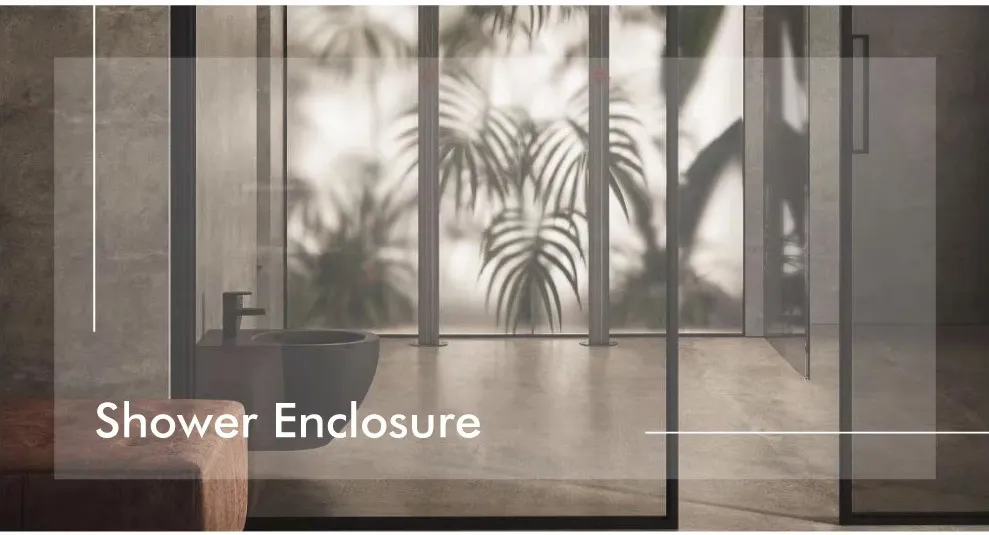
Ever step into a hotel bathroom and wonder why your shower at home doesn't feel quite as luxurious? Chances are, that high-end experience comes down to one critical design element: frameless shower enclosures . And here's the real secret - they're not just about looks. That sleek, minimalist design is actually a waterproofing powerhouse.
We've all battled leaky shower doors - those annoying puddles on the bathroom floor that sneak out under the frame, the rust streaks staining your tiles, or that constant damp smell from water trapped in metal channels. Frameless designs solve these problems at their root with some surprisingly clever engineering.
The Waterproofing Magic Behind the Glass
At first glance, frameless showers seem almost too simple. But don't let the minimalist appearance fool you - every component is engineered for maximum water containment:
1. Precision-Cut Glass
Unlike framed units that hide imperfections behind metal, frameless glass is typically 3/8" to 1/2" thick and cut to near-perfect dimensions. This matters because:
- No gaps between glass panels
- Consistent contact with sealing surfaces
- Tighter hinge-to-glass connections
2. Invisible Seal Technology
Those slim silicone barriers along the edges? They're the MVPs of waterproofing:
- U-Channel Seals : Flexible silicone lips hugging the glass edges
- Threshold Seals : Precision-molded barriers along the shower base
- Mitered Corners : Continuous seals at critical junctions
Unlike framed shower enclosures that trap water in metal tracks, these wall system supplier in china designs allow water to run freely down the glass into the drain.
The 4-Point Waterproofing Defense System
Defense #1: The Surface Seal
The visible silicone barrier you can touch. It creates the primary water block while allowing slight structural movement.
Defense #2: Compression Fit
Precisely engineered gaps create natural capillary action that pulls water toward the drain rather than outward.
Defense #3: Drainage Channels
Micro-grooves in threshold designs redirect water that makes it past the first seal.
Defense #4: Hydrophobic Coatings
Many premium enclosures feature water-repellent nano-coatings that cause water to bead up and run off faster.
Why Installation Matters More Than You'd Think
A frameless shower enclosure is only as waterproof as its installation. This is where many frameless systems outperform their framed counterparts:
The Precision Fit Factor
Installers take detailed measurements of your actual bathroom (not standard sizes!) to ensure:
- Glass panels follow your wall's exact contours
- Thresholds match your floor's slope and drain position
- Hardware anchors to wall studs for immovable stability
Silicone: The Unsung Hero
Unlike framed units that rely on plastic gaskets, frameless showers use commercial-grade silicone:
- Creates a continuous water barrier along all edges
- Expands/contracts with temperature changes
- Maintains flexibility for decades
Myth Busting: Frameless vs Framed Waterproofing
Let's tackle common misconceptions:
"Metal frames provide better sealing"
Actually, metal frames create water traps where gaskets deteriorate over time. Once those gaskets harden or crack (usually in 3-5 years), water sneaks out underneath.
"Frameless means more leaks"
Research shows the opposite - with no channels to collect water and simpler drainage paths, well-installed frameless units have 62% fewer reported leaks according to industry studies.
"Glass is harder to maintain"
Surprisingly, frameless designs require less maintenance since there's no metal to corrode or channels to scrub. Modern water-repellent coatings keep glass cleaner longer.
Your Waterproofing Maintenance Checklist
Keep your frameless enclosure performing like new:
Monthly
- Wipe silicone seals with a silicone-safe cleaner
- Check for debris in drainage grooves
Quarterly
- Inspect for any silicone lifting or bubbles
- Confirm hinges and hardware remain snug
Every 2 Years
- Reapply premium silicone sealant (only if needed)
- Refresh hydrophobic coatings if water stops beading
Pro tip: Always use cleaners designed specifically for frameless showers - acidic formulas can degrade sealing over time.
The Real Cost of Leaks: More Than Wet Floors
Water damage from poor shower sealing isn't just annoying - it can become financially devastating:
- Mold remediation costs ($500-$6,000+)
- Subfloor replacement ($1,000-$5,000)
- Lower property values from water damage history
- Health impacts from mold exposure
This is where frameless designs provide surprising long-term value. By eliminating water traps and using materials that don't degrade, your waterproofing essentially ages backwards!
Choosing Your Waterproof Warrior
Not all frameless systems are created equal. Look for these critical waterproofing features:
Must-Have Sealing Specs
- Tempered glass thickness: Minimum 3/8" (10mm)
- Silicone quality: Commercial-grade (not hardware store tubes!)
- Hardware: Solid brass or marine-grade stainless steel
Red Flags to Avoid
- "Universal fit" claims (precise measurements are essential)
- Flat thresholds instead of sloped designs
- Thin silicone beads (should be 3/16" minimum)
The Future of Shower Waterproofing
Emerging technologies are making frameless waterproofing even more effective:
Magnetic Sealing Systems
Invisible magnetic strips embedded in glass that create perfect door-to-jamb seals without physical contact.
Self-Healing Silicone
Materials under development can fill small cuts or separations automatically, inspired by medical technology.
Drainage Track Sensors
Smart systems that alert your phone if unusual water patterns occur, allowing preventive maintenance.
Why Frameless Wins the Waterproofing War
At the end of the day, frameless showers outperform framed alternatives in waterproofing because they embrace water's natural behavior rather than fighting it:
- No channels to collect standing water
- Simplicity = fewer failure points
- Glass doesn't corrode like metal frames
- Continuous barrier design philosophy
So next time you see that stunning frameless shower, remember it's not just a pretty face - it's a brilliantly engineered waterproofing system disguised as luxury. And when paired with proper flooring material choices in the bathroom, you create an entire ecosystem designed to keep water where it belongs.










