
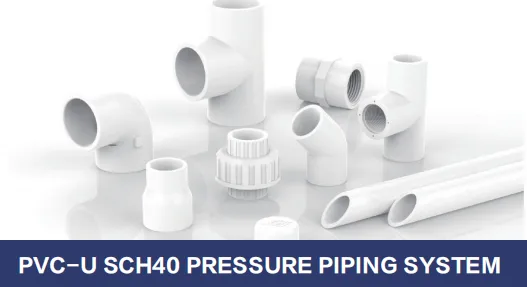
If you've ever walked through a construction site, visited a newly built home, or even peeked behind the walls of a commercial building, chances are you've encountered a maze of pipes quietly doing their job. Among these, one type stands out for its reliability, versatility, and cost-effectiveness: the PVC-U SCH40 pressure piping system. But have you ever stopped to wonder how these unassuming pipes handle the constant pressure of water, chemicals, or gases day in and day out? How do they stay intact for decades, resisting corrosion, leaks, and the wear and tear of daily use? In this article, we're going to pull back the curtain and explore the inner workings of PVC-U SCH40 pressure piping systems—from the science of their material makeup to the engineering that makes them a staple in plumbing, irrigation, and industrial projects worldwide. Whether you're a homeowner planning a renovation, a contractor selecting materials for a new build, or simply curious about the infrastructure that keeps our buildings running, let's dive into the mechanisms that make PVC-U SCH40 a trusted name in piping.
First things first: let's decode the name. PVC-U stands for "unplasticized polyvinyl chloride," a rigid, strong version of PVC that's free from the plasticizers that make some PVC pipes flexible (think of the bendy pipes under your sink—those might be plasticized). SCH40, on the other hand, refers to the pipe's schedule, a standardized rating that indicates its wall thickness and pressure-bearing capacity. In simple terms, SCH40 is a middle-ground option—thicker than SCH20 (light-duty) but thinner than SCH80 (heavy-duty)—making it ideal for most moderate-pressure applications. So when you hear "PVC-U SCH40 pressure piping system," you're talking about a rigid, unyielding pipe designed to carry fluids and gases under pressure, built to balance strength, weight, and cost.
But why does this matter? Imagine a residential water supply line: it needs to handle the pressure from the municipal water system (typically 40-80 psi) without bursting, leaking, or degrading over time. A PVC-U SCH40 pipe does exactly that, and it does it efficiently. Similarly, in a commercial setting like a shopping mall, these pipes might carry sprinkler water, compressed air, or even certain chemicals—all while maintaining structural integrity. To truly understand how they work, though, we need to start at the beginning: the material itself.
At its core, PVC-U SCH40 starts with polyvinyl chloride resin—a white, powdery substance derived from vinyl chloride monomers. But resin alone isn't enough to make a pipe that can withstand pressure, temperature fluctuations, and the harsh realities of installation. That's where additives come in, each playing a specific role in shaping the pipe's performance. Let's break down the key components:
When these ingredients are mixed, melted, and extruded into a pipe shape, the result is a material that's dense, rigid, and surprisingly tough. The extrusion process itself is critical: the molten PVC is forced through a die, which shapes it into a hollow cylinder, while a mandrel inside ensures the inner diameter is consistent. The pipe is then cooled rapidly (often with water) to lock in its shape, creating a smooth inner surface that minimizes friction and maximizes flow—a key factor in pressure performance.
But what truly sets SCH40 apart is its wall thickness. Unlike SCH20 pipes, which are thinner and used for low-pressure applications like drainage, SCH40 pipes have a thicker wall that directly correlates to their ability to handle pressure. For example, a 1-inch PVC-U SCH40 pipe has a wall thickness of approximately 0.133 inches, while the same diameter SCH20 pipe is only 0.083 inches thick. This extra thickness acts like armor, allowing the pipe to resist the outward force of pressurized fluids without bulging or bursting.
You might be wondering: How much pressure can a SCH40 pipe actually handle? The answer depends on several factors, including pipe diameter, temperature, and the type of fluid being transported. Let's start with the basics: "SCH40" is part of the ASME B36.10 standard, which defines wall thicknesses for steel and plastic pipes. For PVC-U, the schedule number is a rough indicator of wall thickness relative to the pipe's diameter, but the actual pressure rating is determined through rigorous testing.
Manufacturers calculate a pipe's "working pressure" as the maximum pressure it can safely handle under normal operating conditions. This is significantly lower than the "burst pressure"—the point at which the pipe would actually fail—to account for safety margins. For example, a 1-inch PVC-U SCH40 pipe has a working pressure of around 450 psi at 73°F (room temperature), but its burst pressure could be three to four times that. Why the difference? Safety. Factors like temperature fluctuations, minor damage during installation, or chemical exposure can reduce a pipe's strength over time, so the working pressure is set well below the burst point to ensure long-term reliability.
Temperature plays a huge role here, too. PVC-U becomes more flexible (and less strong) as temperatures rise. At 140°F, for instance, that same 1-inch SCH40 pipe might only have a working pressure of 230 psi—less than half its room-temperature rating. This is why PVC-U SCH40 is typically recommended for cold or moderately warm water systems (up to 140°F), not for high-temperature applications like steam lines. For hot water, systems like PEX or copper are often better choices, though some suppliers offer heat-resistant PVC-U solutions for specific low-temperature hot water needs.
Another key consideration is the fluid type. While PVC-U is highly resistant to corrosion from most acids, alkalis, and salts, certain chemicals (like strong oxidizers or aromatic hydrocarbons) can weaken the material over time. This is why suppliers often provide chemical compatibility charts as part of their PVC-U SCH40 pressure piping system solutions—helping contractors and engineers choose the right pipe for the job.
Even the strongest pipe won't work if it's installed incorrectly. The magic of PVC-U SCH40 lies not just in its material and design, but in how easily (and securely) it can be joined. The most common method is solvent cementing—a process that fuses the pipes and fittings into a single, leak-proof unit. Here's how it works, step by step:
For larger diameter pipes (3 inches and above) or applications where disassembly might be needed later, threading is another option. PVC-U SCH40 pipes can be threaded using a pipe die, creating male threads that screw into female-threaded fittings. Thread sealant tape or pipe dope is used to fill the gaps between threads, preventing leaks. While solvent cementing creates a permanent, monolithic joint, threading offers flexibility—though it's generally less pressure-resistant than a properly cemented joint.
Regardless of the method, proper alignment is key. Pipes that are misaligned (even slightly) can create stress points that weaken the joint over time. This is why many installers use levels and clamps to ensure the pipe runs straight before the cement sets. It's also important to support the pipe adequately with hangers or brackets, especially for long runs. Unsupported pipes can sag under their own weight, putting strain on joints and reducing flow efficiency.
A pipe's job isn't just to hold pressure—it's to move fluids with minimal energy loss. PVC-U SCH40 excels here, thanks to its smooth inner surface. Unlike metal pipes, which can develop rust or scale over time, PVC-U's non-porous surface remains smooth, reducing friction between the fluid and the pipe walls. This is measured by the Hazen-Williams coefficient (C-value), a rating of a pipe's flow efficiency. PVC-U typically has a C-value of 150, compared to galvanized steel (100-120) or cast iron (80-100). A higher C-value means less friction, which translates to better flow rates and lower pumping costs—an important consideration for large-scale projects like irrigation systems or commercial water supplies.
But flow isn't just about smooth walls; it's also about pressure drop. As fluid moves through a pipe, friction causes the pressure to decrease over distance. This "pressure drop" depends on the pipe's diameter, length, flow rate, and fluid viscosity. PVC-U's low friction helps minimize this drop, allowing fluids to travel farther with less energy input. For example, in a residential water line, a ¾-inch PVC-U SCH40 pipe can deliver water to a second-story bathroom with minimal pressure loss, ensuring strong showers and steady faucet flow.
Turbulence is another factor. Sharp bends, sudden changes in diameter, or rough joints can create turbulent flow, which increases friction and energy loss. PVC-U fittings (like elbows, tees, and reducers) are designed with smooth, gradual curves to minimize turbulence. For instance, a 90-degree elbow for PVC-U has a larger radius than a comparable metal elbow, allowing the fluid to turn more smoothly. Even small design choices like this add up to better overall system performance.
One of the biggest selling points of PVC-U SCH40 is its longevity. When installed correctly, these pipes can last 50 years or more—often outliving the buildings they serve. What makes them so durable? Let's break it down:
Of course, no material is indestructible. Extreme temperatures (above 140°F or below freezing) can weaken PVC-U. Freezing water expands, which can crack pipes if they're not insulated in cold climates. Chemicals like concentrated sulfuric acid or ketones can also cause damage, which is why consulting a supplier's chemical compatibility guide is essential. Reputable PVC-U SCH40 pressure piping system suppliers often provide detailed documentation to help customers avoid these pitfalls, ensuring their solutions are tailored to the specific demands of each project.
PVC-U SCH40's versatility makes it a go-to choice for a wide range of applications. Let's explore some of the most common:
In homes, PVC-U SCH40 is used for cold water supply lines, irrigation systems, and some low-temperature hot water lines (with proper heat-resistant additives). It's also popular for swimming pool plumbing, where its corrosion resistance stands up to chlorine and saltwater. Homeowners appreciate its affordability and quiet operation—unlike metal pipes, PVC-U doesn't "bang" when water is turned on or off (a phenomenon called water hammer), making for a more peaceful living environment.
Commercial projects like offices, retail stores, and restaurants rely on PVC-U SCH40 for water distribution, sprinkler systems, and compressed air lines. Its lightweight nature makes installation faster and easier than metal pipes, reducing labor costs. In food service facilities, PVC-U's smooth, non-porous surface is easy to clean, helping maintain hygiene standards.
Factories, chemical plants, and agricultural operations use PVC-U SCH40 to transport everything from process water and coolants to fertilizers and mild chemicals. Its chemical resistance and low maintenance make it a cost-effective choice for harsh environments. For example, in a greenhouse, PVC-U SCH40 pipes deliver nutrient-rich water to plants via drip irrigation, ensuring precise control and minimal waste.
Cities and towns use PVC-U SCH40 for small-diameter water mains, sewer force mains, and stormwater systems. Its corrosion resistance and long lifespan reduce the need for frequent replacements, saving taxpayer dollars. In rural areas, it's often used for well casing—protecting groundwater sources from contamination while allowing water to flow freely into the well.
While PVC-U SCH40 is a strong performer, it's not the only piping option on the market. Let's compare it to other common systems to see where it fits best:
| Piping Type | SCH Rating | Wall Thickness (in)* | Max Working Pressure (PSI)@73°F | Typical Applications | Key Benefits | Limitations |
|---|---|---|---|---|---|---|
| PVC-U SCH40 | 40 | 0.133 (1" pipe) | 450 (1" pipe) | Cold water, irrigation, pool plumbing, chemical transport | Corrosion-resistant, low cost, easy installation, smooth flow | Not for high temps (>140°F), brittle in extreme cold |
| PVC-U SCH80 | 80 | 0.179 (1" pipe) | 630 (1" pipe) | High-pressure cold water, industrial chemicals | Higher pressure rating, more durable | Heavier, more expensive, harder to cut/thread |
| UPVC | N/A (similar to SCH40) | 0.130 (1" pipe) | 430 (1" pipe) | Cold water supply, drainage, irrigation | Lightweight, UV-resistant, low maintenance | Lower impact resistance than PVC-U |
| PPR (Polypropylene Random Copolymer) | N/A | 0.140 (1" pipe) | 400 (1" pipe @73°F) | Hot & cold water, radiant heating | Heat-resistant (up to 200°F), flexible, fusion-welded joints | More expensive than PVC-U, less chemical resistance |
| Copper | Type L/M | 0.095 (Type L, 1" pipe) | 1000+ (depends on type/temp) | Hot & cold water, gas lines | High temp/pressure resistance, long lifespan | Expensive, heavy, prone to corrosion in acidic water |
*Wall thickness varies by pipe diameter. Values shown are for 1-inch nominal pipe size.
As the table shows, PVC-U SCH40 strikes a balance between cost, pressure rating, and ease of use, making it ideal for most moderate-pressure, cold-water applications. For higher pressures, SCH80 is better, while PPR or copper are better for hot water. UPVC, often confused with PVC-U, is similar but typically has slightly lower impact resistance, making it better suited for drainage than pressure applications. When choosing between these options, factors like project budget, temperature requirements, and fluid type will guide the decision—something a knowledgeable PVC-U SCH40 pressure piping system supplier can help navigate.
Even the best piping system is only as good as the materials used to make it. Low-quality PVC-U pipes—made with recycled resin or subpar additives—can have weak spots, inconsistent wall thickness, or poor chemical resistance, leading to premature failure. That's why selecting a reputable PVC-U SCH40 pressure piping system supplier is critical. But what should you look for in a supplier?
First, quality certifications. Look for suppliers whose products meet industry standards like ASTM D1785 (Standard Specification for Polyvinyl Chloride (PVC) Plastic Pipe, Schedules 40, 80, and 120) or NSF/ANSI 61 (Drinking Water System Components). These certifications ensure the pipes are safe for potable water and meet strict performance criteria. Reputable suppliers will readily provide test reports and certification documents, giving you peace of mind that their products are up to the task.
Second, range of solutions. Every project is unique, and a one-size-fits-all approach rarely works. The best suppliers offer tailored PVC-U SCH40 pressure piping system solutions, including custom lengths, specialized fittings (like reducing tees or flanges), and accessories (such as hangers, primers, and cements). For example, a municipal water project might need large-diameter pipes with threaded ends, while a residential irrigation system could benefit from pre-cut lengths and solvent cement kits. A supplier that can adapt to these needs saves time and reduces the risk of errors.
Third, technical support. Installing pressure piping systems requires expertise, and even experienced contractors can run into questions. A good supplier provides technical support—whether it's helping calculate pressure ratings, recommending the right fittings, or troubleshooting installation issues. Some suppliers even offer on-site training or webinars to help teams stay up to date on best practices.
Finally, reliability. Construction schedules wait for no one, so timely delivery is essential. Suppliers with a strong logistics network and local distribution centers can ensure materials arrive on time, preventing project delays. They should also have a consistent supply chain, avoiding shortages that could derail timelines. For international projects, working with a global supplier (like those operating in Saudi Arabia or other regions) can simplify shipping and compliance with local regulations.
It's also worth considering suppliers that offer complementary products, such as UPVC pipes or PPR fittings. While PVC-U SCH40 might be the star of the show, having access to related materials from the same supplier can streamline ordering and reduce costs. For example, an upvc pipe supplier that also carries PVC-U SCH40 systems can provide a one-stop shop for all your piping needs, simplifying inventory management and vendor relationships.
PVC-U SCH40 pressure piping systems may not be the most glamorous part of a building project, but they're undeniably essential. From the moment you turn on a faucet to the way water flows through a factory, these pipes work tirelessly behind the scenes, leveraging science, engineering, and careful design to deliver reliable performance. Their strength comes from a combination of high-quality materials, precise manufacturing, and thoughtful installation—each element working in harmony to handle pressure, resist corrosion, and ensure efficient flow.
Whether you're building a home, a commercial complex, or an industrial facility, understanding how PVC-U SCH40 works helps you make informed decisions that impact safety, cost, and longevity. By choosing the right materials, working with reputable suppliers, and following best practices for installation, you can ensure your piping system stands the test of time—delivering water, chemicals, and gases where they're needed, when they're needed, for decades to come.
In the end, PVC-U SCH40 is more than just a pipe—it's a solution. A solution to the challenges of pressure, corrosion, and cost. A solution that empowers builders, engineers, and homeowners to create spaces that are functional, efficient, and built to last. And in a world where infrastructure matters more than ever, that's a solution worth celebrating.
Recommend Products












