
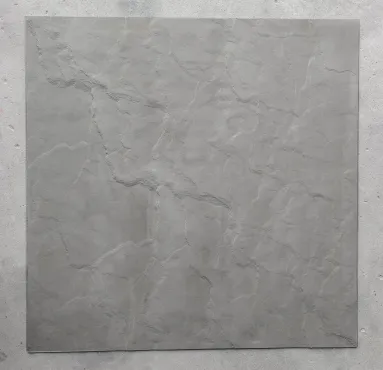
Have you ever walked into a showroom, fallen in love with a stunning epoch stone countertop, then nearly choked when you saw the price tag? You're not alone. That gorgeous stone you've got your eye on? Its price isn't just pulled out of thin air. One of the biggest factors determining whether you'll pay ₹100 or ₹500 per square foot comes down to something simple: the color . And I'm not just talking about aesthetic appeal – we're diving deep into how hue impacts your budget.
As someone who's helped hundreds navigate stone selection, I can tell you color isn't just about matching your cabinets. It's a complex dance between geology, market demand, and mining logistics. Let's peel back the layers of why that deep black slab costs more than its beige neighbor and how to make smart choices for your project.
Stone colors aren't random – they're geological fingerprints telling a story millions of years in the making. The minerals present during formation determine both the color and unique patterns. For example:
The rarer the mineral composition, the more exclusive – and expensive – the stone becomes. Think about it: earth didn't create all colors equally. Some shades occur in just a handful of quarries worldwide, creating natural limitations that drive up costs.
Pro Tip: Want that luxury look without breaking the bank? Consider stones with consistent patterns rather than dramatic veining. They're generally more affordable and hide wear-and-tear better.
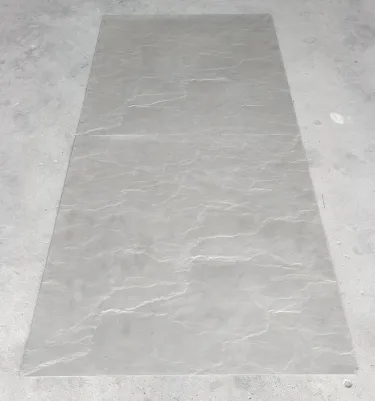
Let's cut through the confusion. Here's what you can expect to pay based on color families:
| Color Family | Average Price Range (per sq ft) | Why It Costs What It Does | Popular Stone Varieties |
|---|---|---|---|
| Jet Blacks | ₹200 – ₹350 | Highest demand, rarest true blacks, difficult extraction | Absolute Black, Black Galaxy |
| Pure Whites | ₹180 – ₹300 | Limited quarries, challenging to extract without impurities | Kashmir White, Colonial White |
| Blues & Greens | ₹170 – ₹280 | Geologically uncommon, specialized processing required | Hassan Green, Blue Pearl |
| Rich Reds | ₹160 – ₹250 | Unique mineral composition, high designer demand | Red Multicolor, Indian Aurora |
| Dark Grays | ₹130 – ₹200 | Moderate availability, consistent demand | Steel Grey, Charcoal Black |
| Beiges & Browns | ₹90 – ₹160 | Most abundant color group, easier processing | Tan Brown, Desert Sand |
Notice something interesting? White isn't always cheaper than black! Premium whites like Colonial White can cost just as much as premium blacks because they're equally hard to source without impurities. That "perfect" snow-white slab with minimal veining? You're paying for rarity.
And what about those stunning blues and greens? They're the unicorns of the stone world. Only a handful of quarries worldwide produce these colors reliably, and processing them requires extra care to preserve their unique characteristics.
While color is a major player, it's not working alone. These variables can push prices up or down by 10-25%:
Here's something many homeowners don't consider: slab size matters . Larger slabs (often 10'+ long) minimize seams in big kitchen islands but come with 10-20% premium pricing. Smaller projects? Consider remnant pieces for 30-50% savings.
Want the drama of premium colors without premium pricing? Try these pro approaches:
Insider Secret: Ask about "commercial grade" stones. They have natural mineral deposits that give character at 15-25% discounts. What suppliers call "imperfections" often become conversation-starting features!
And remember: proper sealing and maintenance (using top-quality products like ColorSeal Pro) actually saves money long-term by preventing stains and damage.
You've probably heard "darker stones are more durable." Not quite true! Here are facts:
What does matter? Vein patterns . Dramatic veining often indicates softer mineral deposits that could require more care. Simple patterns typically indicate more consistent hardness.
Recommend Products












