


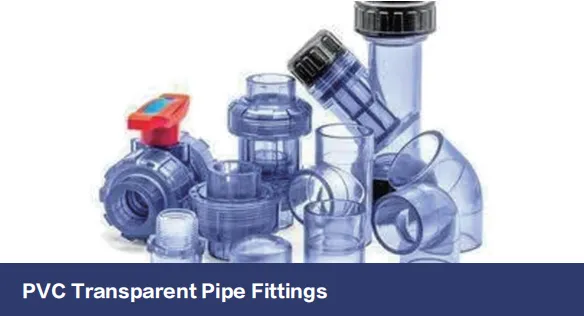
Picture walking through a state-of-the-art PVC pipe factory where robotic arms move with ballet-like precision, sensors monitor every micron of material flow, and AI algorithms predict maintenance needs before failures happen. This isn’t science fiction – it’s the deep drainage system of modern automation revolutionizing PVC transparent pipe manufacturing. Forget manual guesswork and inconsistent outputs; automated systems are reshaping how pipes are made, delivering unprecedented consistency while supercharging efficiency.
The Evolution of PVC Pipe Manufacturing
For decades, PVC pipe production relied heavily on manual oversight. Operators adjusted extruders based on experience, quality checks happened post-production, and inconsistencies were accepted as inevitable. As demand exploded for transparent pipes used in medical, chemical, and food industries, these traditional methods couldn’t keep pace. Automation emerged as the solution, transforming the production landscape.
Smart factories now use interconnected systems that:
- Continuously monitor raw material viscosity and purity
- Precisely control extrusion temperature (±0.5°C accuracy)
- Automatically adjust wall thickness during production
- Detect microscopic defects at 150 meters/minute line speeds
4 Ways Automation Boosts Production Efficiency
1. Optimized Material Usage
Intelligent dosing systems reduce material waste by up to 30%. Sensors track resin flow in real-time, automatically calibrating input volumes to exact requirements. One manufacturer reported saving 7 tons of PVC monthly just through optimized extrusion control.
2. Continuous Operation
Traditional factories needed 3+ hours daily for setup/changeovers. Automated lines accomplish this in under 20 minutes using robotic arm changers and memory-preset configurations. Production uptime increased from 75% to 96% for early adopters.
3. Labor Effectiveness
While automation reduces manual tasks, it elevates workforce impact. Techs now oversee operations via dashboards that predict maintenance needs using vibration analysis algorithms. "Our team spends more time innovating than troubleshooting," notes a plant manager from a leading transparent pipe facility.
4. Energy Conservation
Smart systems regulate power consumption dynamically. One facility reduced energy use by 15% after installing AI-driven climate control optimizing cooling for transparent pipe crystallization. Variable-frequency drives on motors alone cut electricity costs by 8%.
How Automation Delivers Unmatched Consistency
For high-clarity PVC pipes used in laboratories or breweries, visual perfection is non-negotiable. Automation achieves this through:
Precision Extrusion Control
Modern extruders feature laser-guided measurement systems scanning pipes 200 times/second. This instantaneously adjusts pressure and temperature to maintain uniform optical properties. Cloud data analytics compare production metrics across shifts ensuring identical outputs regardless of timing.
Automated Quality Assurance
Machine vision cameras detect defects invisible to human eyes – microscopic bubbles, faint streaks, or 0.1mm deviations. One manufacturer reduced customer returns by 94% after implementing inline optical scanners. Rejected material is automatically recycled without production stoppage.
Predictive Consistency
IoT sensors track equipment performance trends. By analyzing data patterns, systems predict and prevent deviations before they occur. "We've maintained ±2% clarity tolerance for 18 consecutive months – impossible with manual methods," shares an automation engineer from a German pipe manufacturer.
The Role of AI & Machine Learning
Advanced facilities now employ machine learning algorithms that "learn" from every production run. These systems optimize parameters for specific formulations, predicting outcomes faster than traditional trial-and-error. One case study showed:
- 15% reduction in new product development time
- Automatic adaptation to recycled plastic content variations
- Self-calibration for different diameters/thicknesses
- Integration with upstream processes like polymerization control
Such intelligent systems continuously refine production recipes, delivering consistent quality even with supplier material fluctuations.
Sustainable Production Benefits
Automation drives eco-friendly manufacturing:
- Real-time monitoring minimizes off-spec production (reducing waste)
- Automated material reclamation loops redirect 99% of scrap
- Precision control lowers vinyl chloride emissions by 30%
- Energy management systems reduce plant carbon footprint by >20%
The deep drainage system approach extends to resource management too – automated water recycling systems treat/coolant reuse, dramatically cutting water consumption.
Implementing Automation: Real-World Case
Consider “Facility X”, producing transparent PVC pipes for pharmaceutical applications:
Pre-Automation:
- 12% rejection rate
- 5 machine operators per shift
- Production speed: 8 meters/minute
Post-Automation:
- 0.8% rejection rate
- 2 technicians monitoring 3 lines
- Production speed: 22 meters/minute
- ROI achieved in under 11 months
The transition required workforce retraining but created higher-skilled positions. "Our team now handles programming and optimization instead of manual monitoring," explains their plant manager.
The Future of Automated PVC Pipe Production
Next-generation facilities will feature:
- Blockchain-tracked raw material provenance
- 3D-printed pipe fittings with integrated sensors
- Digital twins simulating entire production lines
- Complete lights-out factories operating 24/7
These advancements will further tighten tolerances while reducing costs, making high-quality PVC transparent pipes more accessible globally.
Conclusion
Automation has fundamentally transformed PVC transparent pipe manufacturing from a craft-dependent process into a precision science. By merging robotics, AI, and advanced sensors, manufacturers achieve production efficiencies once deemed impossible while delivering flawless product consistency. As technology evolves, the deep drainage system of integrated automation will continue elevating quality benchmarks while driving sustainable manufacturing practices globally.










