
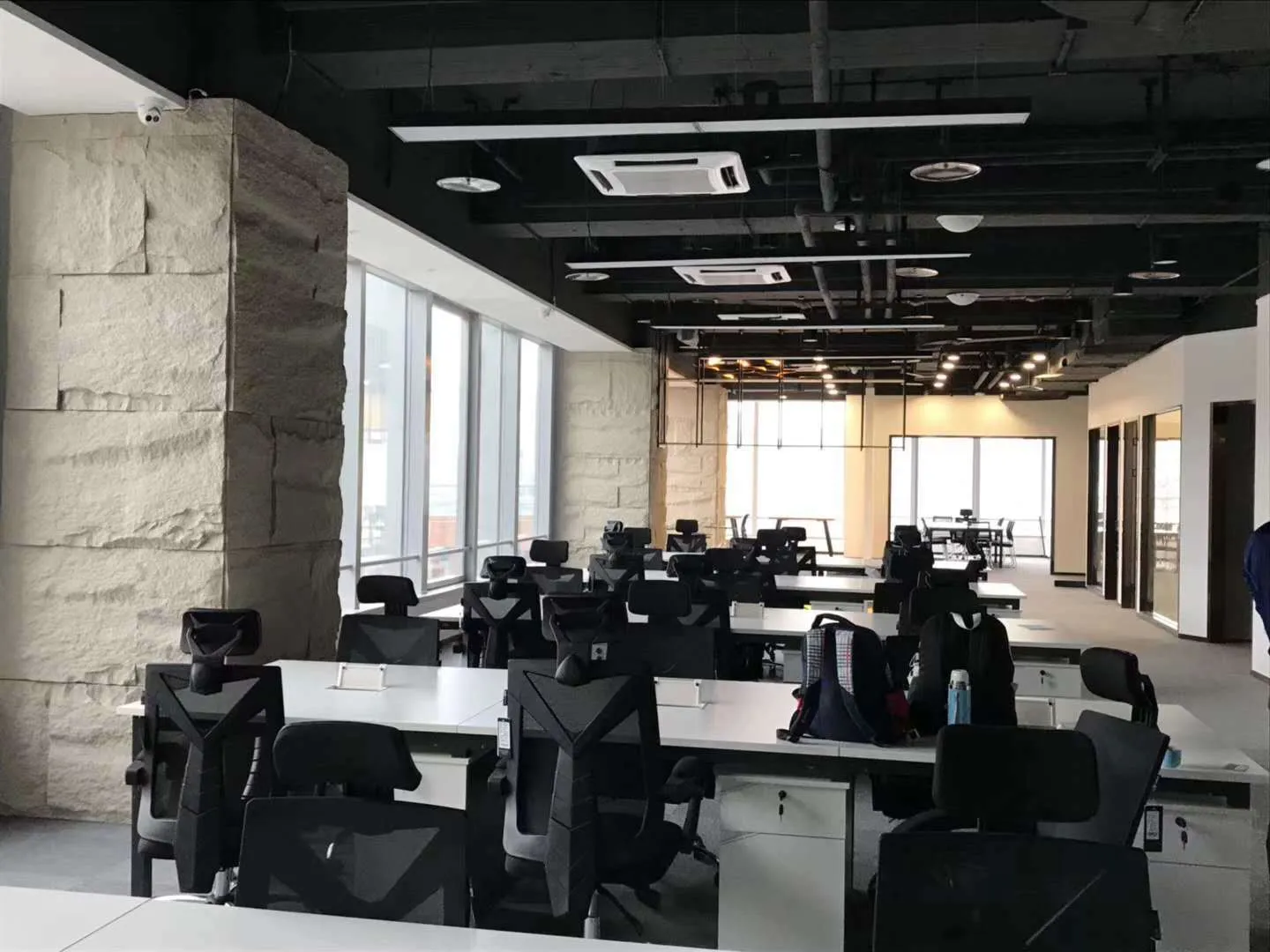
The question every architect, contractor and developer asks before specifying a thin stone product is a simple one: how can something just a few millimetres thick deliver the same integrity as a 20-millimetre slab of natural stone? It is a fair challenge. Stone skin cladding has earned its place in modern facades precisely because it answers that challenge — but only when it comes from a stone skin supplier that treats every stage of production as a quality gate rather than an afterthought.
Stone skin is an ultra-thin, flexible cladding panel made from natural stone powder and mineral aggregates bonded to a reinforcing backing. Depending on the formulation, a finished sheet is typically only 2–4 mm thick, which is a fraction of the 20–30 mm you would expect from traditional stone slabs. That thinness is exactly what makes the product attractive: it is light enough to be handled by a small crew, flexible enough to wrap columns and curved walls, and cheap enough to ship that it has become a favourite for both new builds and renovation work.
But thinness is also where most products fail. Remove the engineering discipline and a thin stone panel becomes a fragile sheet that delaminates, cracks, fades or simply peels off the wall. The difference between a product that lasts decades and one that fails within a season is not the raw material alone — it is the way the supplier controls every step between the quarry and the crate.
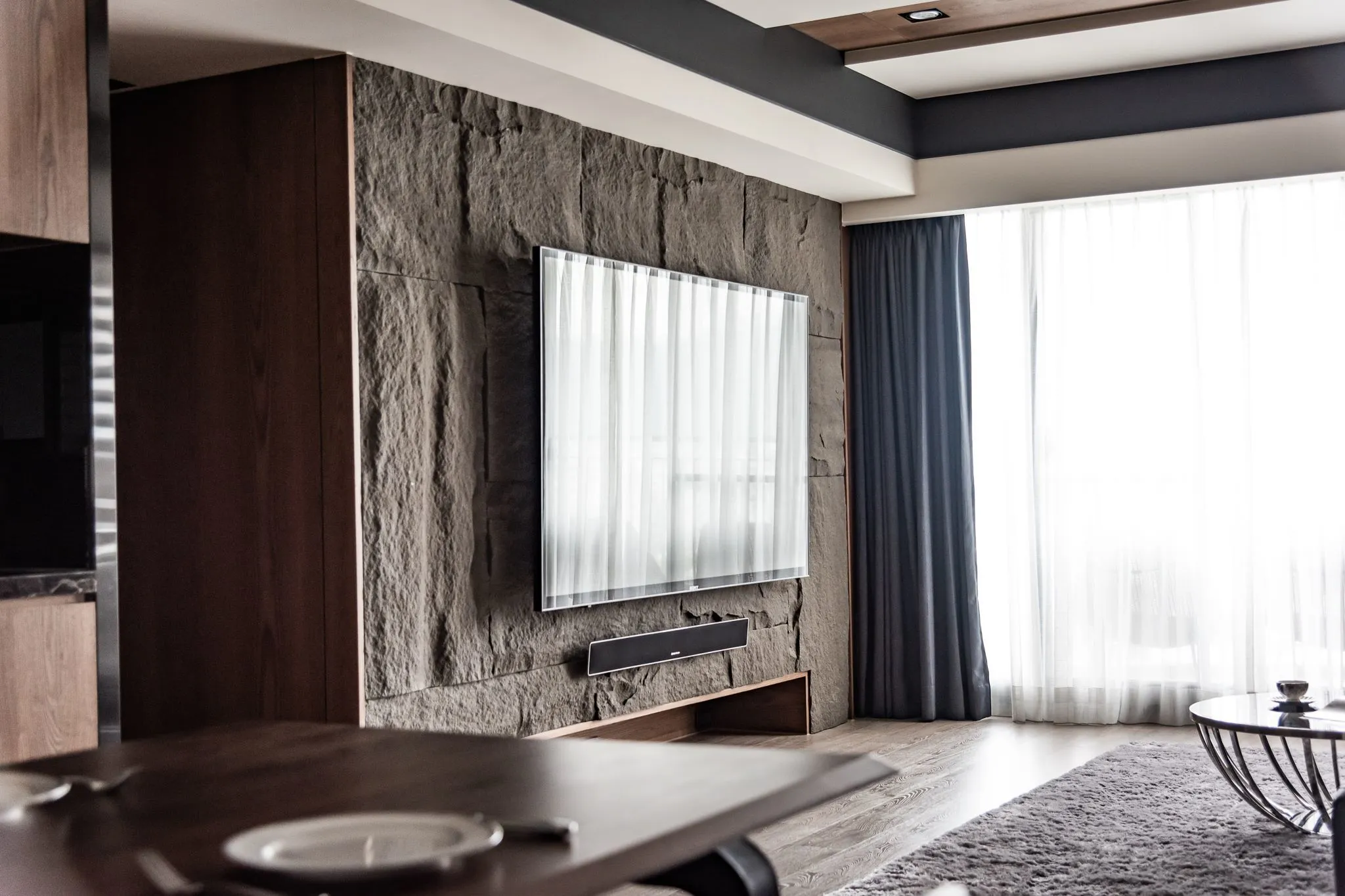
Before looking at how a supplier protects product integrity, it helps to understand the failure modes. The most common ones are:
Product integrity at minimal thickness, then, means a panel that stays bonded, stays flat, keeps its colour and keeps its dimensions — for the full service life of the building. Achieving that takes discipline in five areas.
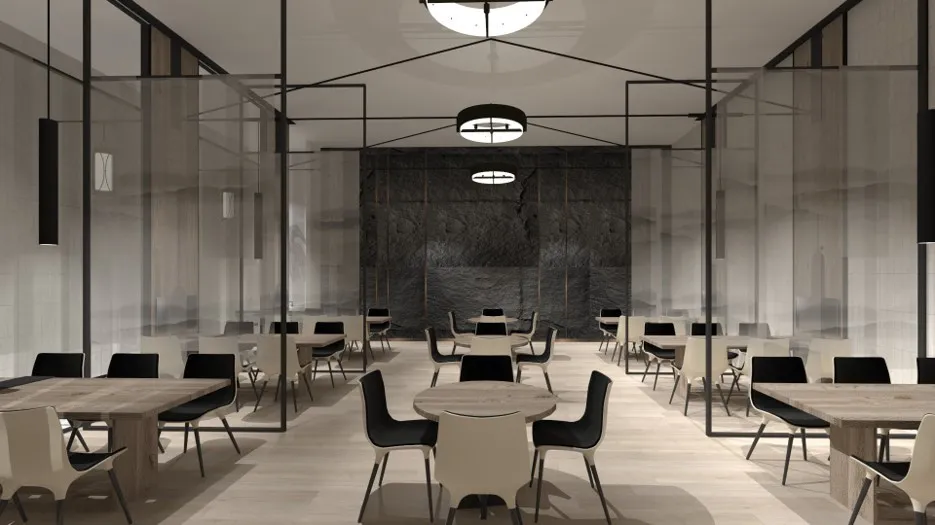
Integrity starts before the first panel is formed. A serious supplier selects natural stone powder and mineral aggregates with consistent particle size and colour, and it does not rely on surface pigment to create the stone effect. When the colour runs through the full thickness of the panel rather than sitting on top of it, the surface cannot fade the way a painted coating does. This is one of the clearest signs of a quality stone skin product: the mineral tone is intrinsic to the material, not applied to it.
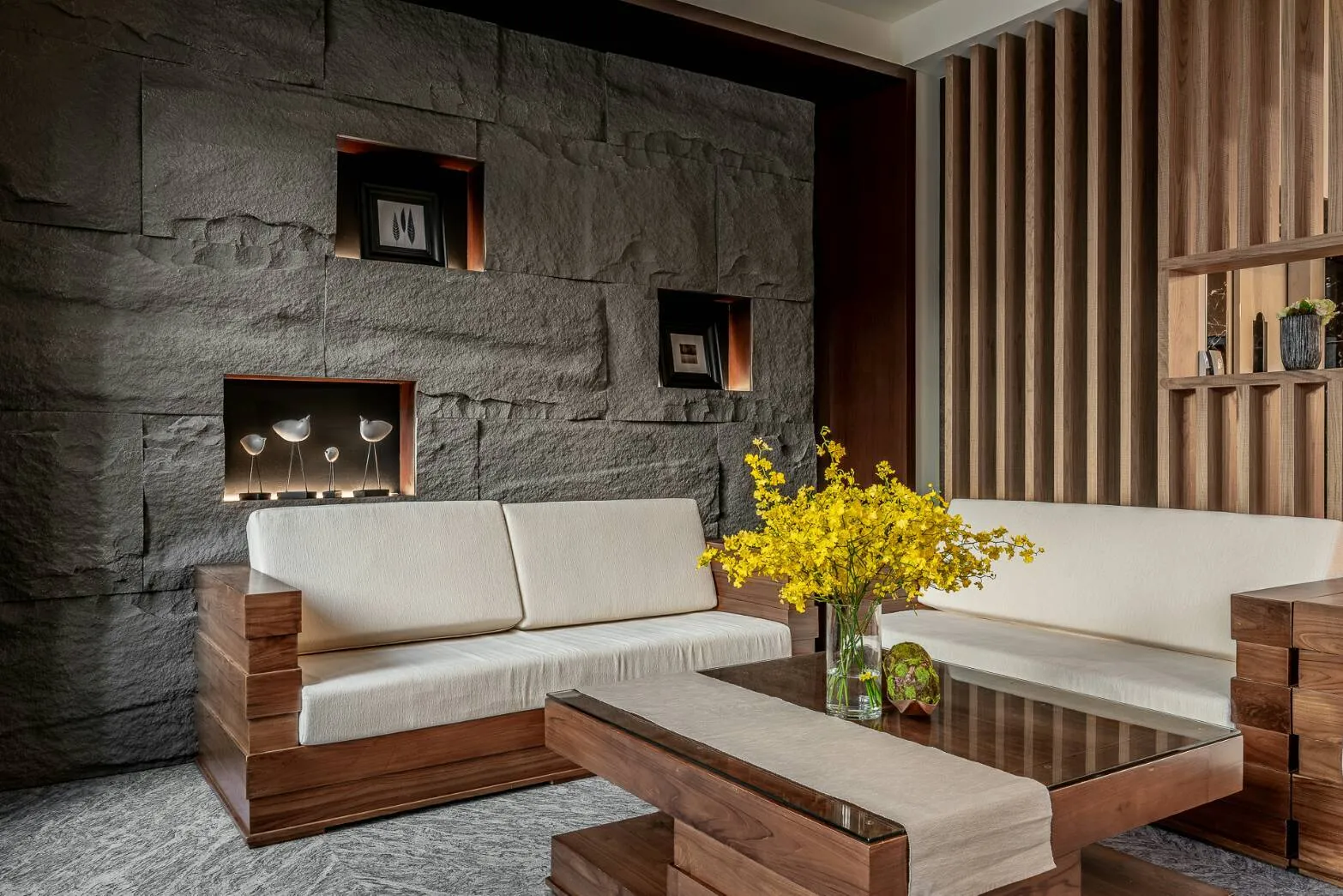
Thin panels leave no room for sloppy production. A consistent thickness is not a luxury — it is the foundation of uniform strength, even joints and predictable behaviour under load. Reliable suppliers run continuous production lines where the slurry is formed in a single pass, giving every sheet the same density and the same surface texture. Dimensional tolerance is checked as panels come off the line, not at the end of the month. If a batch drifts out of tolerance, it is corrected immediately or rejected.
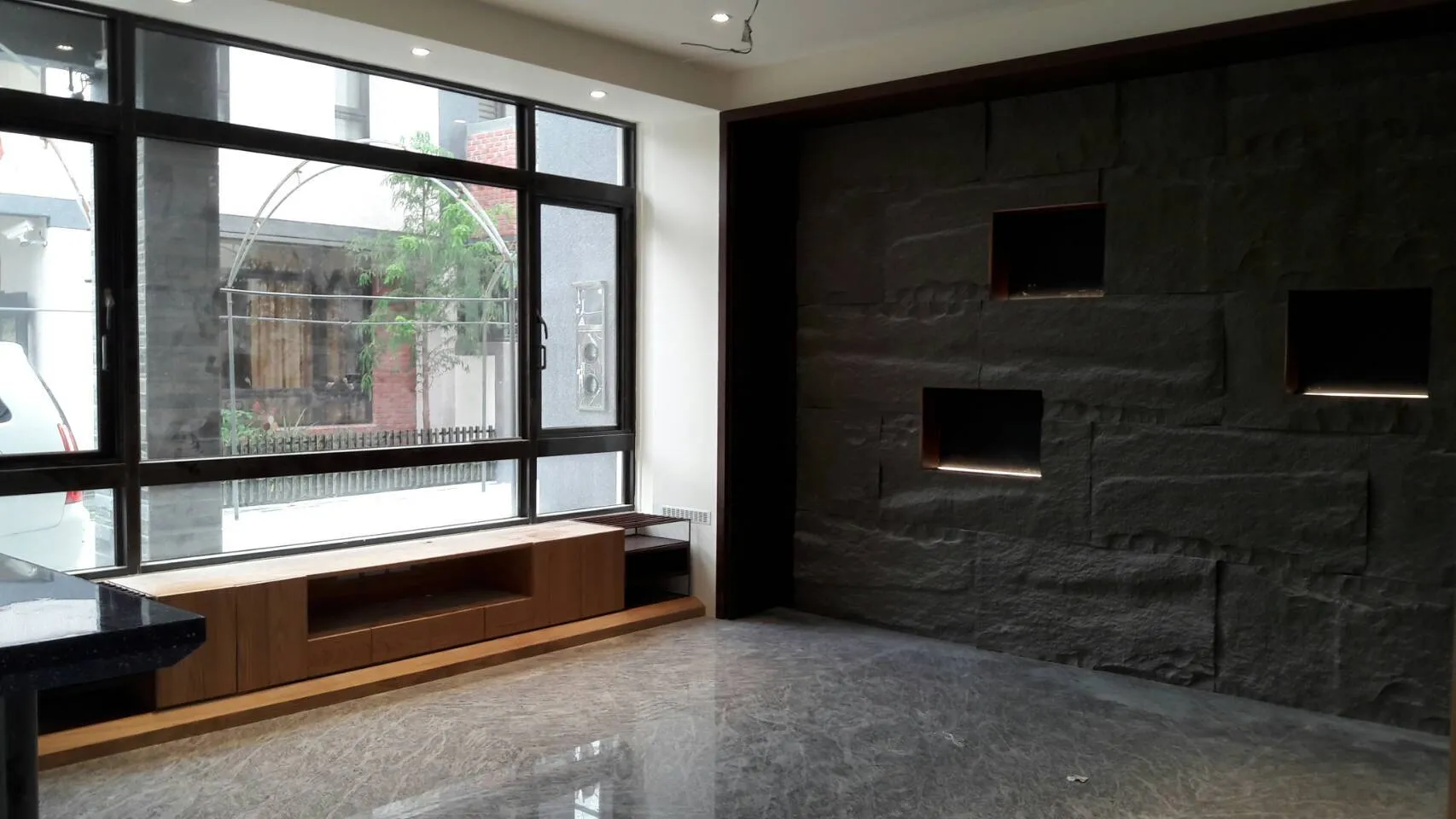
The backing is where the real engineering happens. A reinforcing mesh or polymer matrix gives the thin stone layer its structural backbone, letting the panel bend without breaking and absorb substrate movement without cracking. The adhesive that bonds the panel to the wall matters just as much. Bond strength is the single most important number in thin cladding — a panel with high pull-off strength stays put through thermal cycles, wind loads and years of weather, while a weak bond relies on luck. Serious manufacturers test this property and can show the results.
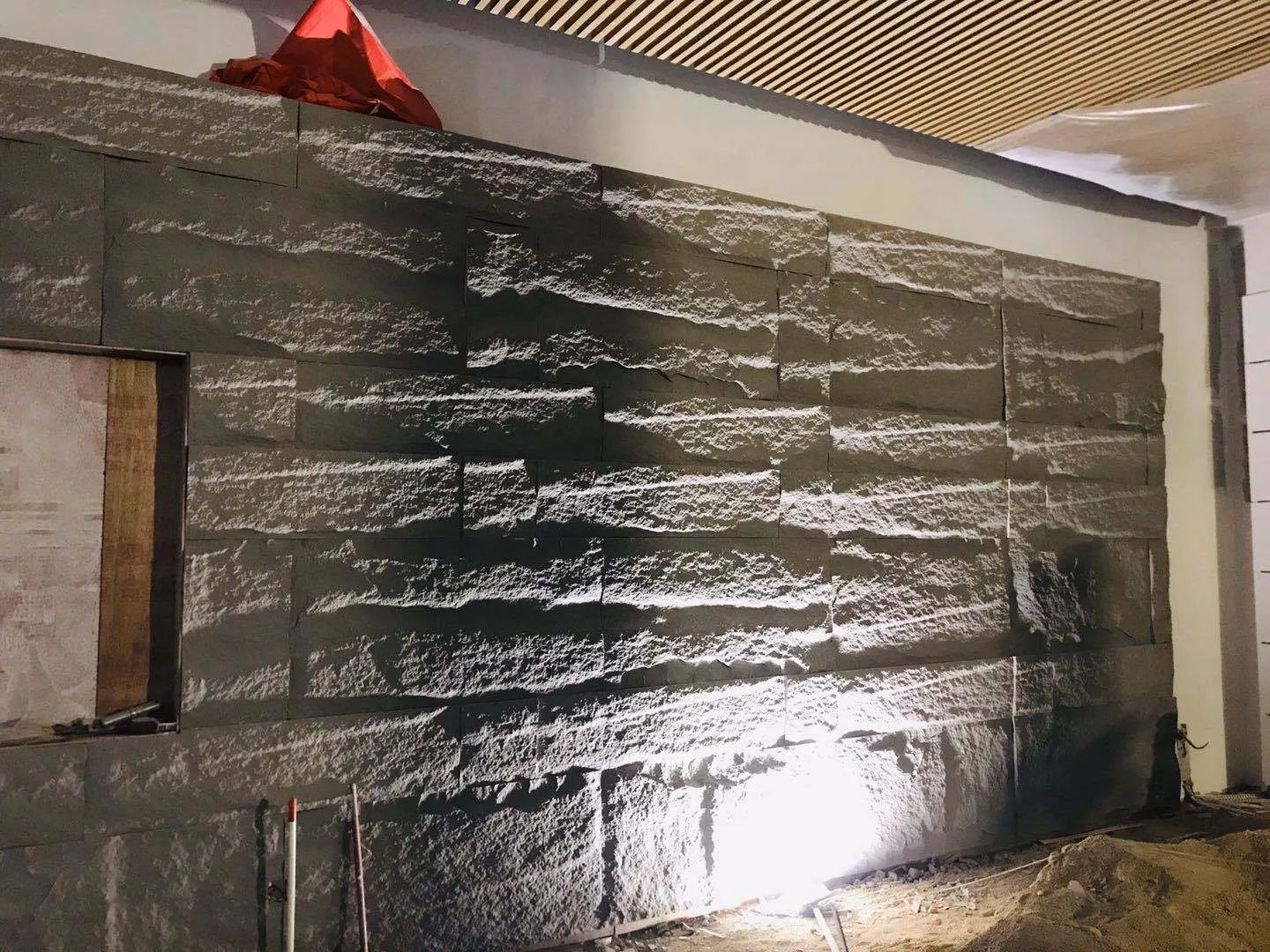
A panel that performs in a showroom is not the same as a panel that performs on a facade in Saudi Arabia, Canada or the Gulf. That is why reputable suppliers test their products under conditions that mimic real service: freeze-thaw cycling to check resistance to cold climates, water absorption tests to confirm the panel will not swell or grow mould, and fire-rating tests to meet building code requirements. Independent laboratory reports are the norm for serious manufacturers — if a supplier cannot produce them, that is a warning sign in itself.
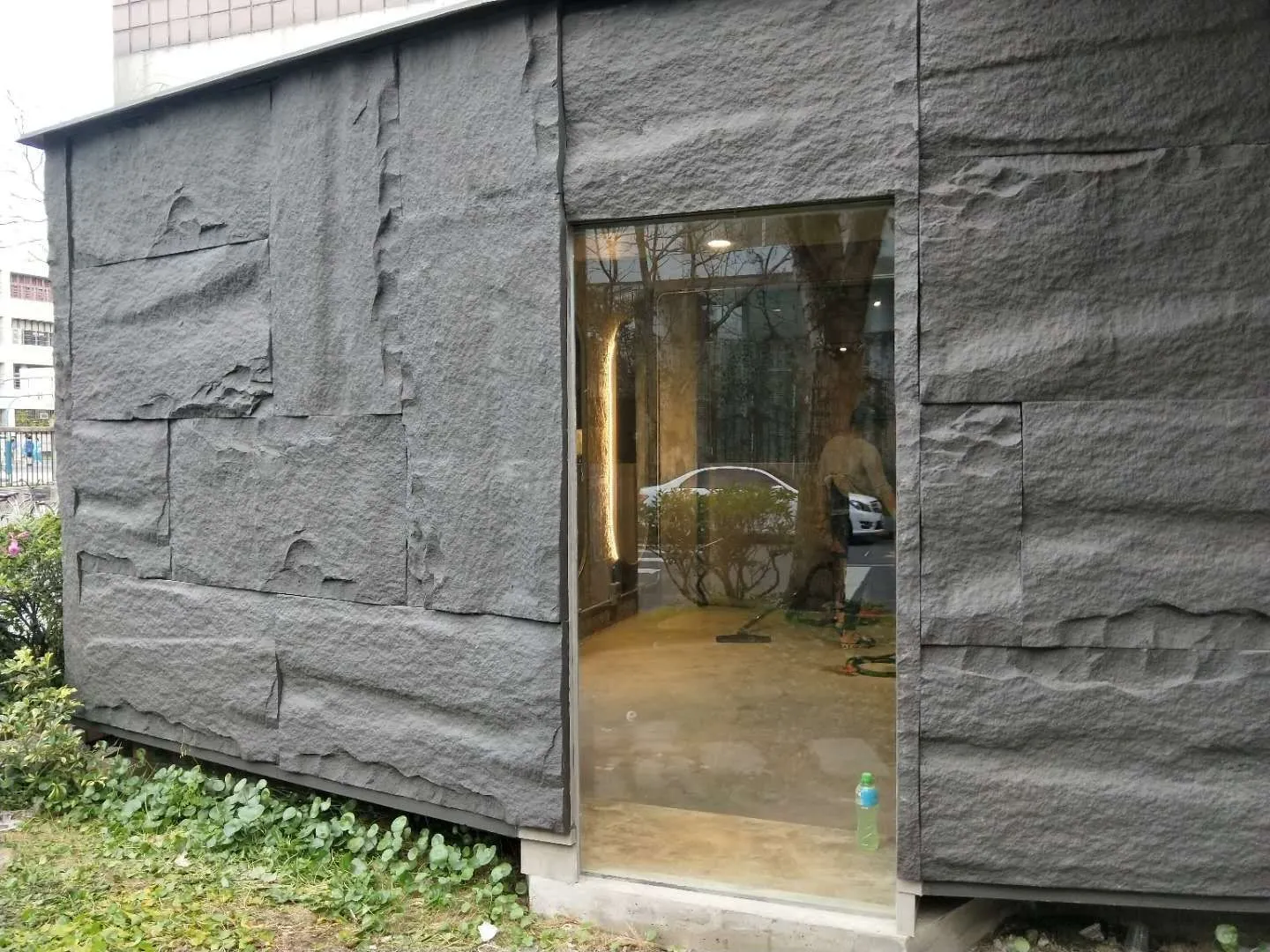
The last line of defence is inspection. Quality suppliers run in-line checks during production and a final inspection before packing: colour matching across the batch, edge quality, thickness measurement and a visual scan for defects. Panels that do not meet the standard are pulled before they reach the crate. This is the stage that separates a supplier who ships consistent product from one who ships whatever the line produced that day.
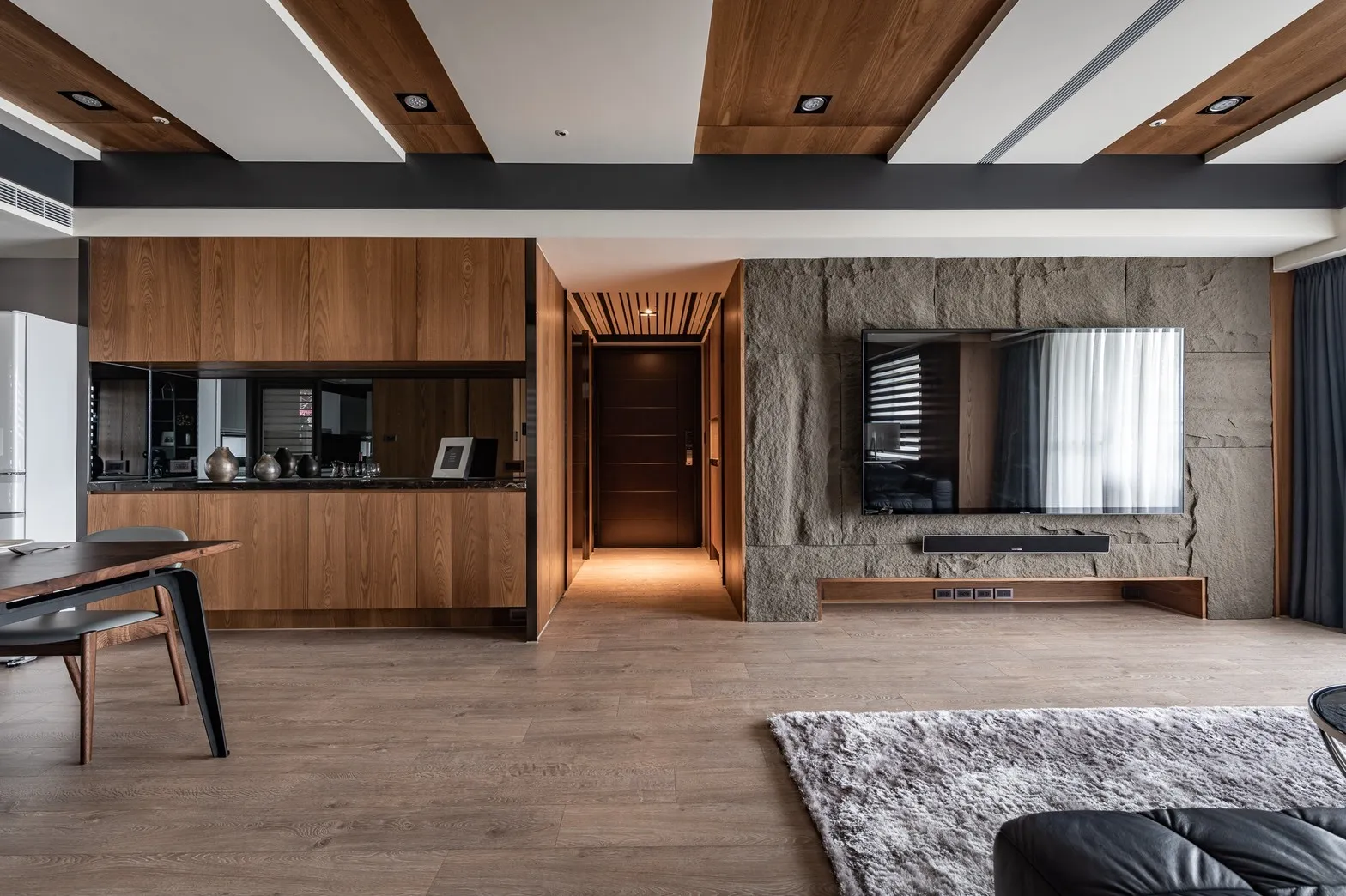
When you evaluate suppliers, ask for the evidence rather than the brochure. Request the pull-off adhesion test results, the freeze-thaw and water absorption reports, and the fire-rating certificate. Ask how dimensional tolerance is checked and how often. Order samples and compare them against the batch you actually receive. And check the breadth of the range — a supplier that offers a full line of wall cladding, including the MCM flexible cladding stone wall panel, is more likely to have the production experience and quality systems that thin products demand.
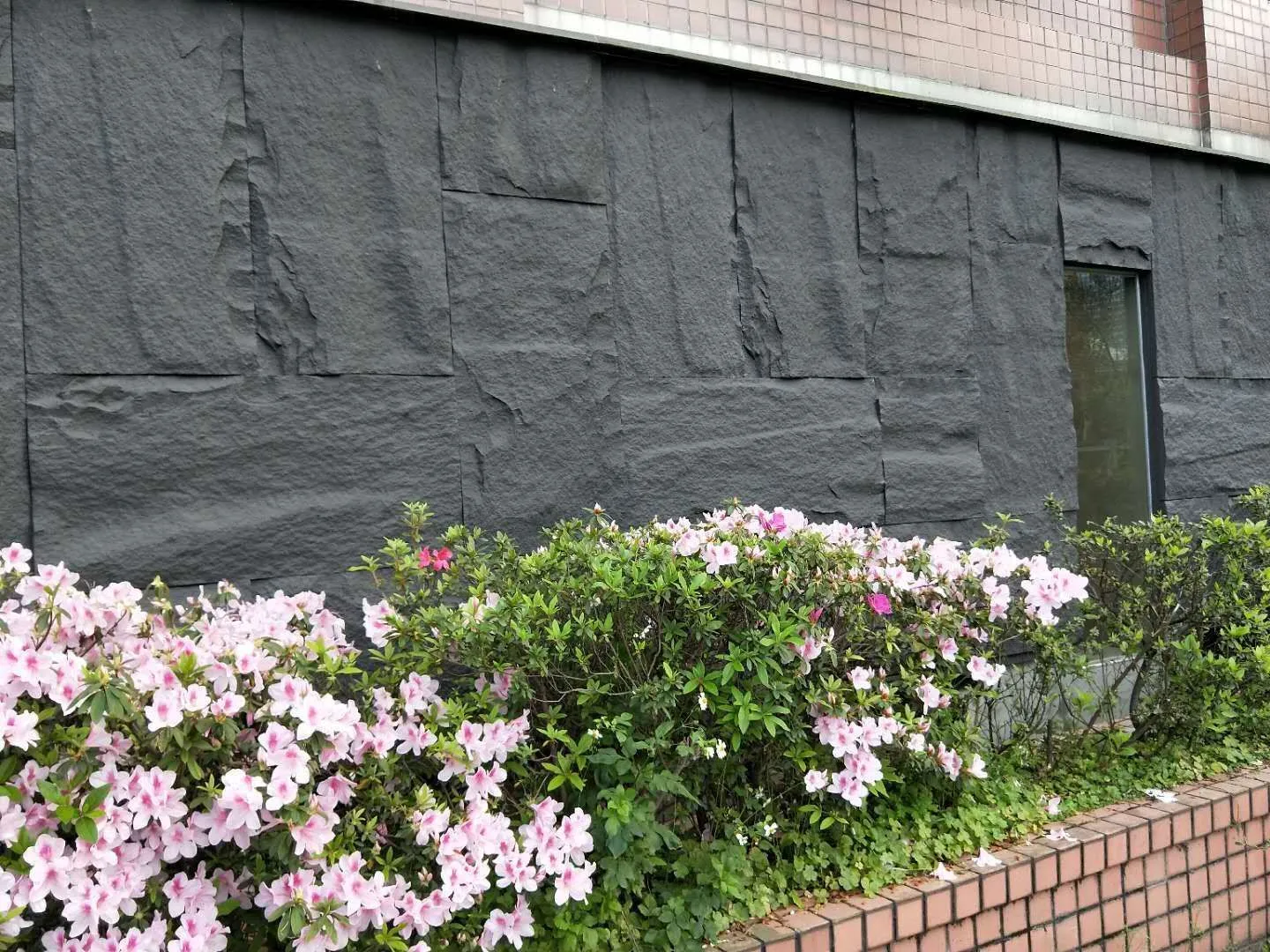
When integrity is assured, stone skin opens up applications that heavy stone simply cannot reach. It is ideal for exterior facades where structural load is a concern, for curved surfaces such as columns and arched entrances that would otherwise require custom-fabricated stone, for renovation projects where new cladding is applied directly over existing tiles, and for ceilings and soffits where the low weight makes overhead installation safe and practical.
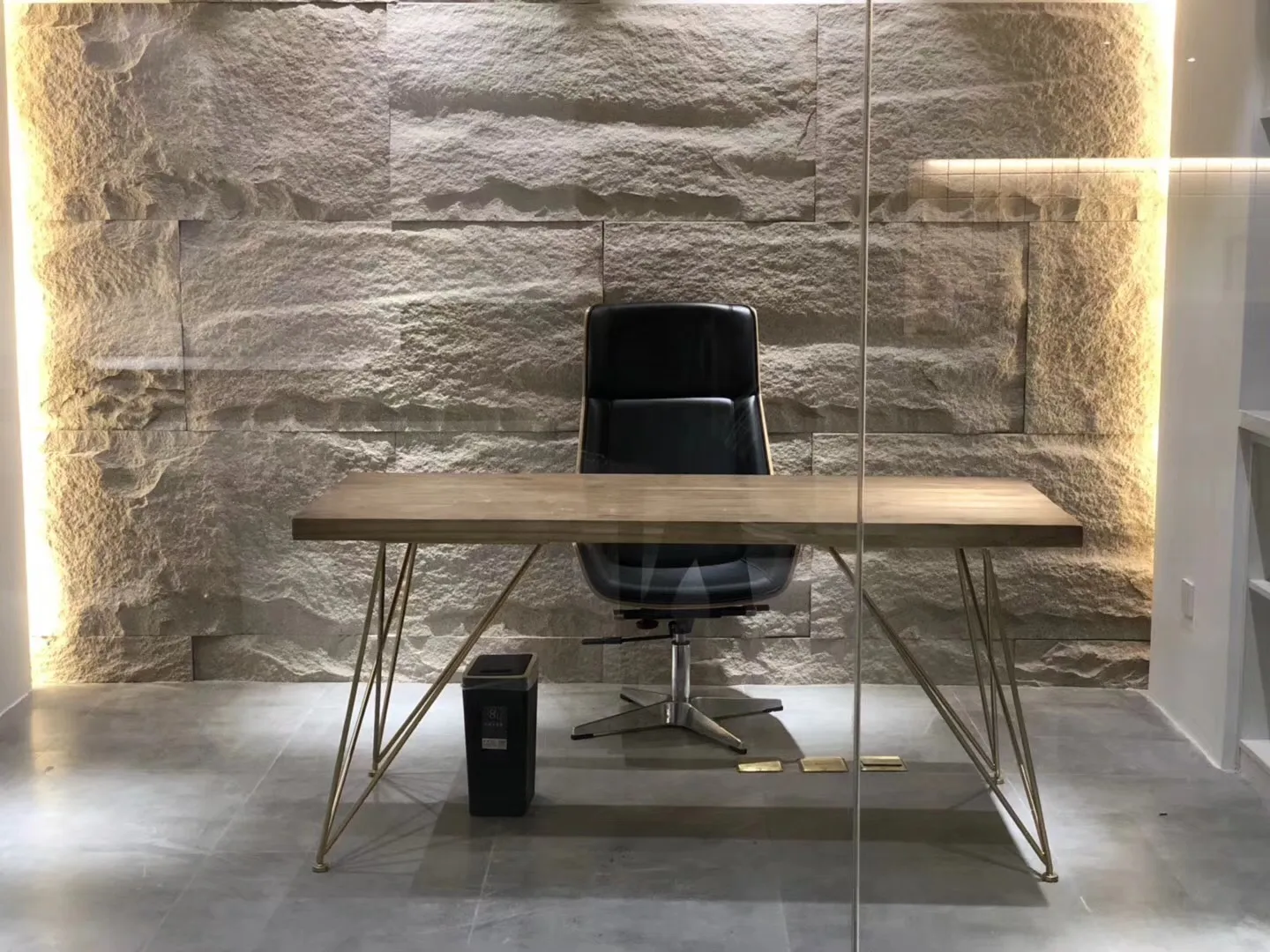
Product integrity at minimal thickness is not a matter of luck or marketing. It is the result of controlled raw materials, precise manufacturing, a properly engineered backing and adhesive system, testing under real conditions and disciplined inspection. A stone skin supplier that does all five consistently is the one worth building a project on.
COLORIA GROUP is a one-stop building materials supplier based in Foshan, China, with an overseas agent in Saudi Arabia. Beyond stone skin and flexible cladding, the company supplies walls, flooring, ceilings, sanitary fixtures, customized furniture, doors and windows, lighting and more for residential and commercial projects worldwide. If you are planning a facade or interior project and want to see how thin stone cladding performs in practice, request samples and technical documentation from the team at coloriagroup.net — and let the test reports speak for themselves.
Recommend Products












