
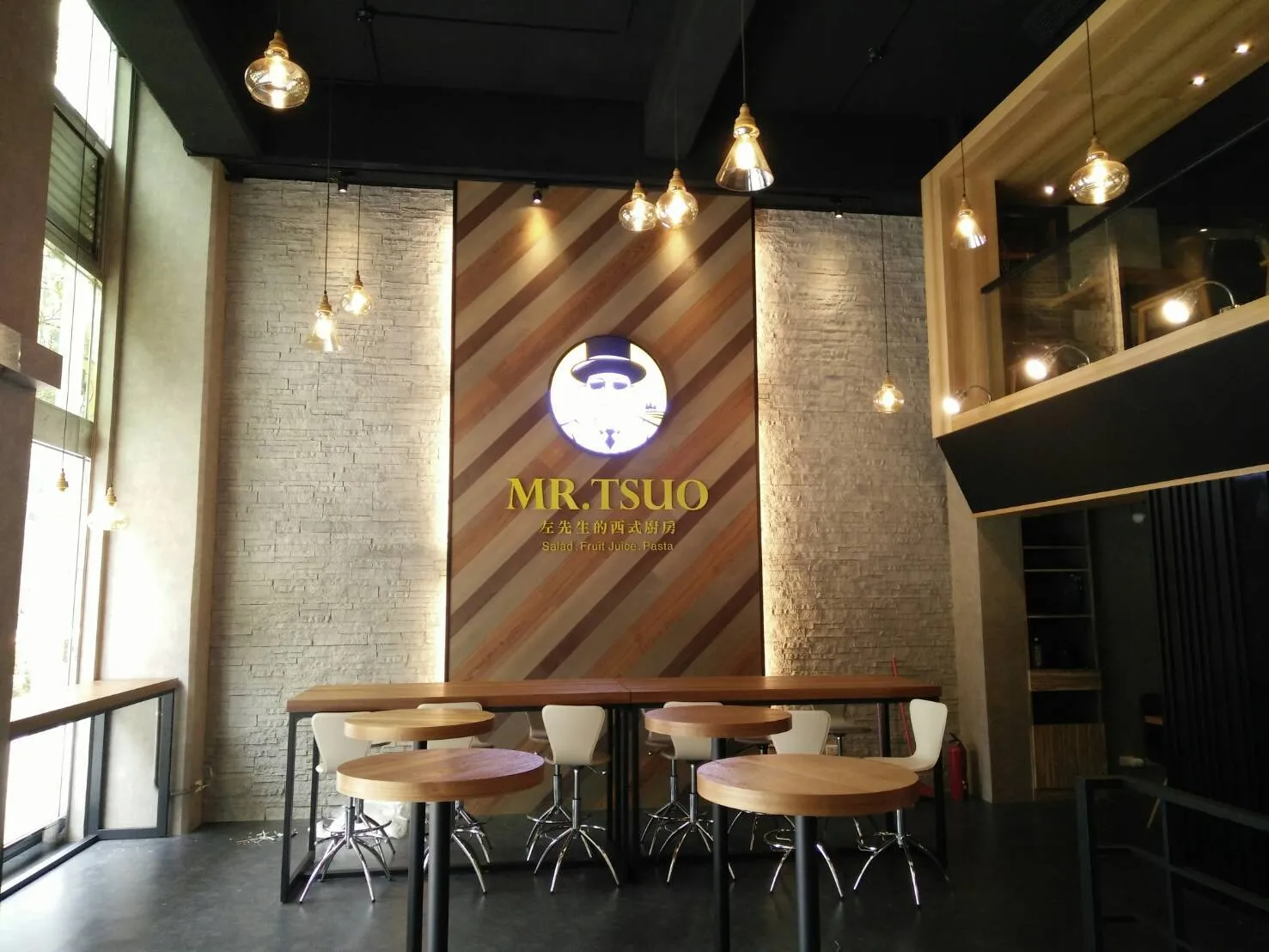
Rust stone has become one of the most requested finishes in modern architecture, prized for its warm, earthy tones and the industrial character it brings to facades, feature walls, and landscaping. But a rust effect that looks rich on day one can turn dull, patchy, or washed out within a season if the color is not locked in properly. That is why colorfastness is the first question any serious buyer should ask a rust stone supplier before placing an order.
Colorfastness is the ability of a material to keep its original color over time when exposed to sunlight, rain, temperature swings, and cleaning. For rust stone, the challenge is bigger than for plain gray or beige panels. The whole point of the finish is a layered, weathered look with subtle variations of orange, brown, and dark red. If the pigments are not stable, those variations fade unevenly, and what was meant to look naturally aged instead looks faded and neglected.
A reliable supplier treats colorfastness as a design requirement, not an afterthought. It starts with the raw materials and carries through every step of production, from pigment selection to the final protective treatment.
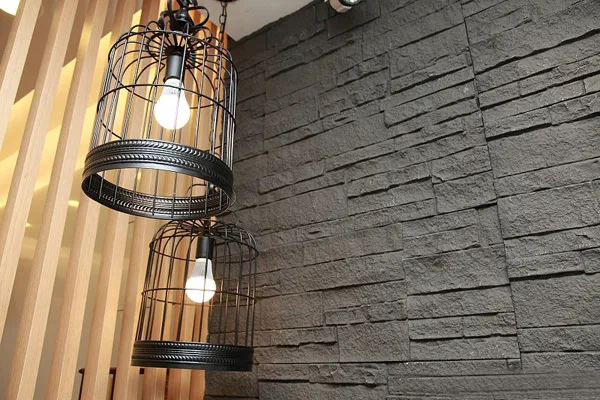
The single most important factor in rust stone colorfastness is the type of colorant used. Reputable manufacturers rely on inorganic iron oxide pigments rather than organic dyes. Iron oxide pigments are naturally lightfast, meaning they absorb ultraviolet radiation without breaking down, and they are chemically stable when mixed into cement, resin, or clay-based panels. Organic dyes, by contrast, are cheaper but break down quickly under UV exposure, which is exactly why low-cost panels fade within months.
When you evaluate a supplier, ask directly which pigments they use and whether the colorant is dispersed evenly through the panel body. Surface-only coloring will always wear away; a panel that is colored through its full thickness keeps its tone even if the surface is scratched or lightly abraded.
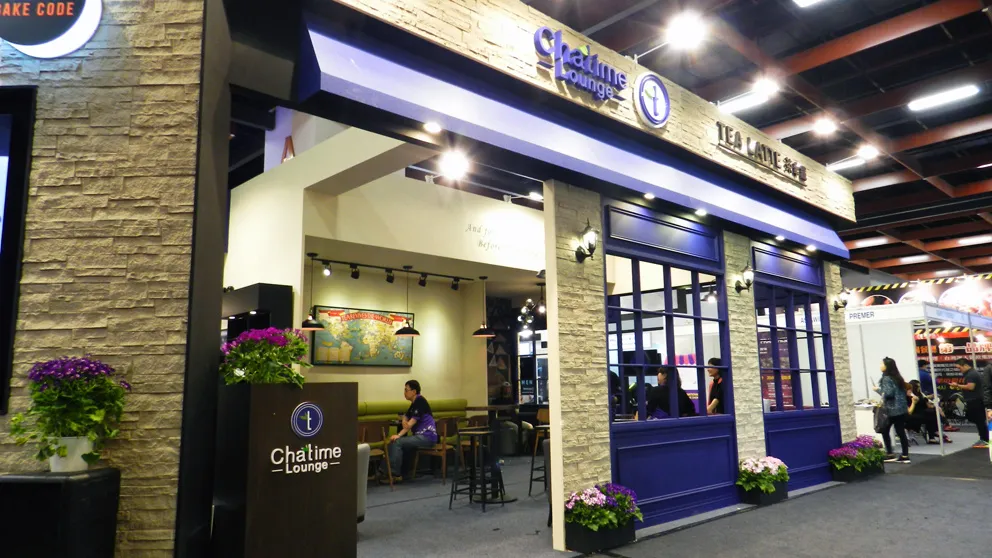
Even the best pigment fails if it is not mixed correctly. Colorfast rust stone comes from controlled batching, where the pigment dosage is weighed precisely and blended thoroughly before the material is formed. Inconsistent mixing produces panels with blotchy patches, where some areas hold color and others fade first. Suppliers with disciplined production lines test every batch against a master color standard so that panels delivered in different shipments still match each other on the same wall.
This is one of the hidden advantages of working with a one-stop building materials supplier rather than a trader. A supplier that manufactures and controls its own decorative profiles can keep the recipe consistent from order to order, which matters a great deal for large projects where panels are installed in phases.
No supplier can claim colorfastness without evidence. Serious manufacturers run accelerated weathering tests that simulate years of sun and rain in a few weeks, exposing samples to intense UV light and repeated wet-dry cycles. They also test frost resistance, because freeze-thaw cycles are a common cause of surface cracking and color loss in cold climates. The results should show no significant color change after the test cycle.
Ask the supplier for test reports and for samples you can expose outdoors yourself. A quick side-by-side test of two competing samples, left in direct sunlight for a few weeks, will tell you more than any brochure. Reliable suppliers are happy to provide samples because they know the product will pass the test.
A protective surface treatment extends colorfastness even further. Many quality rust stone panels receive a clear, breathable sealer that repels water and dirt while allowing moisture vapor to escape. Water is the enemy of color stability: standing water, algae, and mineral deposits can stain or bleach the surface over time. A good sealer keeps the panel clean and slows the accumulation of grime that makes colors look muddy.
The treatment also needs to suit the installation environment. Panels used outdoors in hot, sunny regions need stronger UV protection, while panels in coastal areas need extra resistance to salt and humidity. A knowledgeable supplier will recommend the right finish for your climate rather than offering a single one-size-fits-all product.
To make sure you are getting rust stone that will keep its color, put these questions to any shortlisted supplier:
COLORIA GROUP is a one-stop supplier of building materials based in Foshan, China, with an overseas agent in Saudi Arabia and decades of industry experience. Its decorative profiles range, which includes rust stone, is produced with attention to pigment quality and finish durability, and the company supplies rust stone solutions for residential and commercial projects around the world. Because the group also supplies walls, flooring, ceilings, sanitary fixtures, furniture, and many other categories, project teams can source consistent, color-matched materials from a single accountable partner.
If you are planning a facade, feature wall, or landscape project and want a rust effect that stays true for years, start by asking the right questions about colorfastness. The answers will separate a serious rust wall building materials supplier from one that is simply selling a look.
Recommend Products












