

Mosaic travertine brings a timeless, natural elegance to walls, floors, and decorative accents. Yet one of the most persistent challenges in working with natural stone is achieving visual harmony across hundreds or even thousands of small individual pieces. When a client orders a large batch of mosaic travertine, the last thing they want is to open the crates and find a patchwork of mismatched tones. So how does a reliable mosaic travertine supplier ensure that every tiny chip carries a consistent color from the first sheet to the last?
Travertine is a sedimentary stone formed by mineral deposits from natural springs. Its signature character comes from the subtle shifts in tone, veining, and porosity that develop over thousands of years in the earth. These very qualities make travertine beautiful — but they also mean that no two blocks extracted from the quarry will look exactly alike. A responsible travertine supplier understands this inherent variability and builds a structured system to manage it, rather than trying to erase it. The goal is not artificial uniformity but a controlled, harmonious range of tones that reads as one cohesive surface.
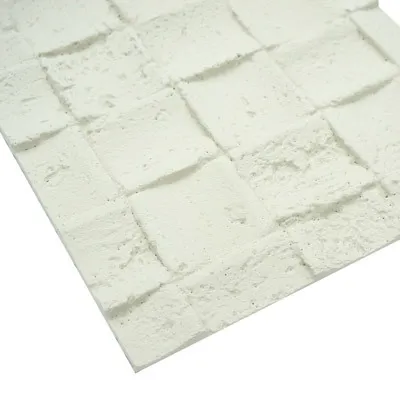
Color consistency begins long before a single mosaic chip is cut. It starts at the quarry. Experienced suppliers work with quarry partners who understand which sections of a quarry bed yield stone with the most stable color profiles. When blocks arrive at the factory, each one is visually inspected and catalogued by its dominant tone — cream, beige, walnut, silver, or any of the other natural variations travertine offers. Blocks from the same quarry section and similar depth are grouped together, since stone extracted from adjacent layers tends to share more consistent pigmentation.
This initial sorting is not a one-time exercise. Suppliers who handle large volumes maintain a running map of their inventory, tracking which blocks produced which color families in previous production runs. This institutional knowledge feeds directly into future production planning, allowing the factory to pull from the right blocks for a given order from the outset.
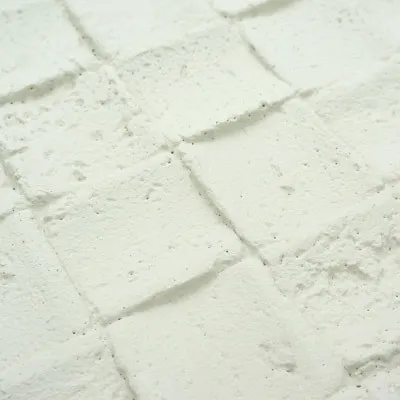
Once the raw blocks are cut into slabs and then into smaller strips destined for mosaic production, the real color management work intensifies. Before any surface finishing or tumbling takes place, the strips go through a manual pre-selection phase. Trained quality inspectors lay the strips out under consistent, calibrated lighting — typically 5000K daylight-balanced lamps — and sort them into color batches. The human eye, when properly trained and supported by controlled lighting conditions, remains one of the most reliable tools for detecting subtle tonal differences that machines can miss.
This step is particularly critical for mosaic formats. Because each sheet contains many small pieces, even slight variations between individual chips become magnified when the sheets are installed side by side on a wall. A supplier who skips or rushes the pre-sorting stage will inevitably produce mosaics that look blotchy and inconsistent once grouted. The best suppliers treat this as a non-negotiable step in their workflow, regardless of order size.
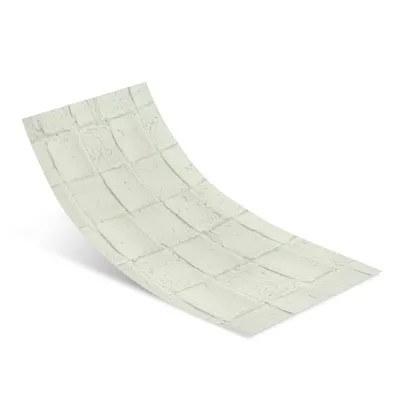
After the color-sorted strips move into dimensional cutting and surface finishing, maintaining batch integrity becomes the operational priority. Each color batch is processed as a discrete unit through the entire production line — calibration, honing, tumbling, and mesh mounting — without mixing with pieces from other batches. This strict segregation ensures that the final mosaic sheets assembled from a given batch all share a common color origin.
Surface finish plays a significant role in perceived color as well. A honed surface reflects light differently than a tumbled or polished one, and this can shift the apparent tone of the stone. Suppliers who understand this relationship will produce finish samples from each color batch before committing to full production, giving clients a preview of how the final mosaic will look under realistic lighting conditions.

Before any mosaic sheets are packaged and shipped, the quality control team performs a dry layout. They take a representative sample of finished sheets from each batch and arrange them on a flat surface, mimicking how they would appear on an installed wall or floor. This visual check in a side-by-side arrangement reveals any color drift that might have slipped through earlier sorting stages. If a sheet stands out as noticeably lighter or darker than its neighbors, the entire batch is re-examined and any outliers are pulled for re-matching or reclassification.
This final inspection is also the moment when the supplier verifies that the mesh backing is clean, the adhesive bond is secure, and the chip spacing is uniform. A mosaic sheet that is technically well-made but visually inconsistent still fails the test. The standard, in short, is that every sheet in a given order should look like it belongs to the same family.
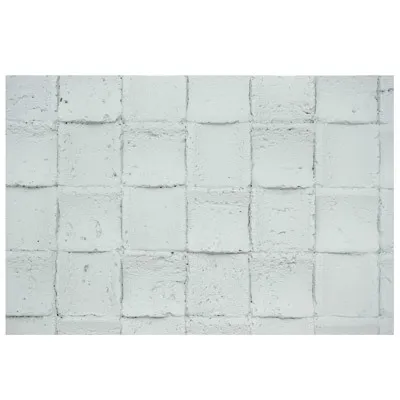
As a decorative profiles supplier with a comprehensive product range that includes mosaic travertine, COLORIA GROUP applies a systematic approach to color management. The company sources its travertine from quarries with proven, stable color output and performs multiple rounds of sorting — from block inspection through to final dry layout — at each stage of production. The mosaic travertine products in the COLORIA GROUP catalog are produced with the understanding that color consistency is not a feature to be checked off a list; it is a continuous discipline that spans the entire supply chain, from quarry selection to crate loading.
The company's position as a one-stop building materials provider also means that clients who source mosaic travertine can coordinate it with complementary products — flooring, wall panels, sanitary fixtures, and more — from a single supplier, simplifying the procurement process and reducing the risk of mismatched materials across different parts of a project.
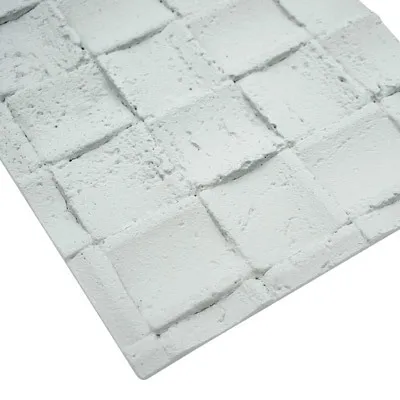
If you are sourcing mosaic travertine for a project, here are a few concrete steps to help you assess a supplier's color quality control before you place an order:
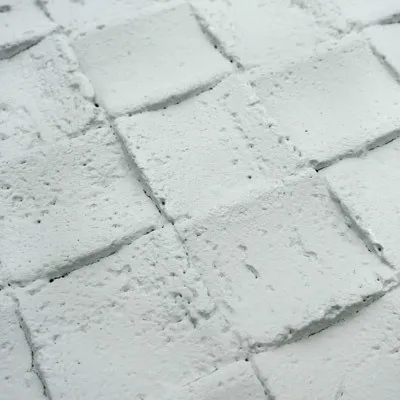
Consistent color across small mosaic travertine pieces is not the result of a single clever trick. It is the product of a disciplined, multi-stage process that begins with intelligent quarry sourcing and extends through careful block selection, manual pre-sorting under controlled lighting, strict batch segregation during processing, and a thorough dry-layout inspection before shipping. The best suppliers treat each of these stages as essential, not optional. When you choose a mosaic travertine supplier who invests in these controls, you are not just buying stone — you are buying the assurance that the finished installation will look as cohesive and intentional as the design envisioned it to be.
Recommend Products












