

When it comes to modern construction, fire safety is a non-negotiable priority. Architects, contractors, and project managers are increasingly turning to innovative materials that combine aesthetic appeal with robust fire-resistant properties. Among these materials, the foamed aluminum alloy board has emerged as a standout solution for both interior and exterior applications. But how does a reliable foamed aluminum alloy board supplier ensure that their products meet strict fire safety compliance standards? This article explores the key measures and quality assurance processes that distinguish a trustworthy supplier in the building materials industry.
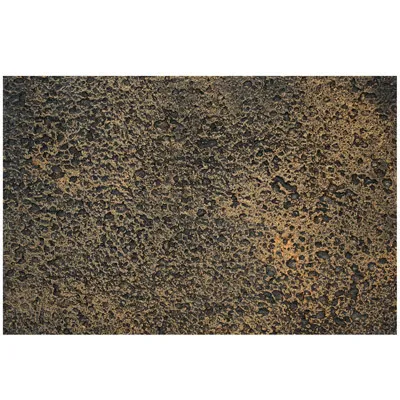
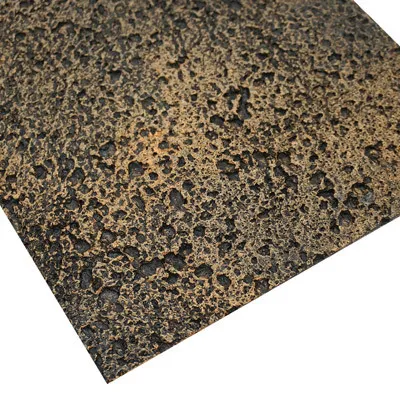
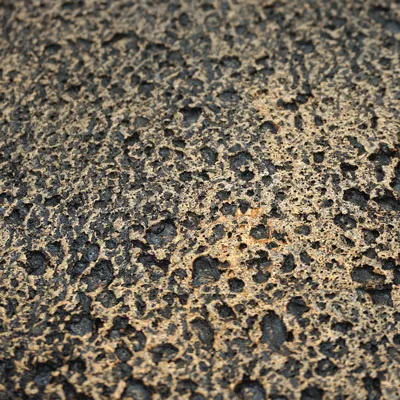
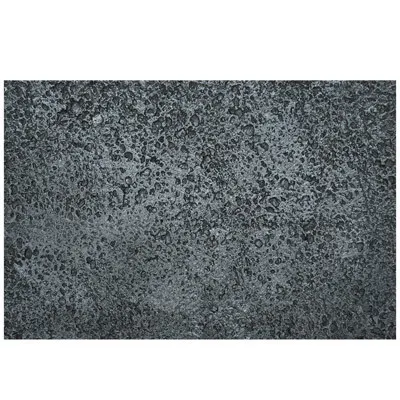
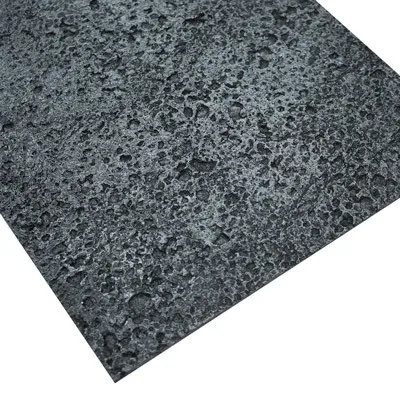
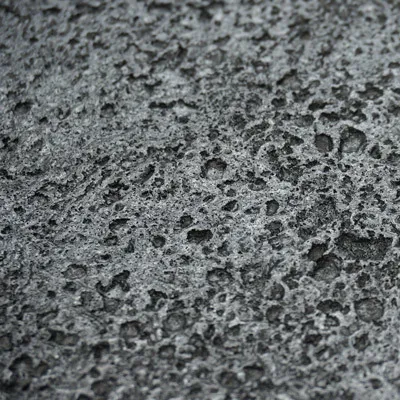
A foamed aluminum alloy board is a lightweight, porous metal panel produced by introducing gas bubbles into molten aluminum, creating a cellular structure that offers a unique combination of strength, thermal insulation, sound absorption, and fire resistance. Unlike traditional solid metal sheets, this material retains the inherent benefits of aluminum — including corrosion resistance and recyclability — while adding the advantages of reduced weight and enhanced insulation performance.
As a leading building material supplier, COLORIA GROUP offers foamed aluminum alloy boards as part of its extensive decorative profiles collection, catering to projects that demand both visual distinction and uncompromising safety standards.
Fire safety compliance refers to a material's ability to meet established fire performance standards set by regulatory bodies and building codes. For building materials, this typically involves achieving specific fire ratings that indicate how the material behaves when exposed to fire — including flame spread, smoke production, heat release, and structural integrity under high temperatures.
The most rigorous classification is Class A (or A1), which designates materials as non-combustible and confirms they contribute no fuel to a fire. For foamed aluminum alloy boards, achieving this classification is a fundamental requirement for use in commercial, residential, and industrial projects where occupant safety is paramount.
A responsible foamed aluminum alloy board supplier implements a multi-layered approach to guarantee fire safety compliance. Here are the essential measures that separate a qualified supplier from the rest.
The journey toward fire safety compliance begins with raw material selection. High-purity aluminum alloys are chosen for their inherent non-combustible properties. Unlike composite materials that contain plastic or organic cores, pure aluminum alloy is naturally fire-resistant. A reputable supplier sources aluminum from certified mills and verifies material composition through spectrographic analysis before production begins. This foundational step ensures that the base material itself does not introduce any combustible elements into the final product.
The manufacturing process plays a critical role in determining the final product's fire performance. A professional decorative profiles supplier employs precision-controlled foaming techniques that ensure uniform cell structure throughout the board. This consistency eliminates weak points that could compromise fire resistance. The closed-cell structure of foamed aluminum alloy boards traps inert gases that naturally resist combustion, creating a material that achieves A1-level fire ratings without relying on chemical flame retardants. The result is a product that is inherently safe rather than merely treated to be safe.
Compliance cannot be claimed without evidence. A trustworthy supplier subjects every product batch to comprehensive fire testing in accordance with international standards. The typical testing protocol includes:
Foamed aluminum alloy boards consistently demonstrate zero flame spread, minimal smoke production, and no toxic gas emissions during fire exposure — qualities that are critical for occupant safety during building evacuations. The all-metal composition means there is simply nothing in the material that can burn or produce harmful fumes.
Independent verification adds credibility to fire safety claims. Leading suppliers obtain certifications from recognized testing laboratories and regulatory authorities. When evaluating a foamed aluminum alloy board supplier, procurement professionals should look for documentation including ISO 9001 quality management certification, EN 13501-1 fire classification reports, ASTM E84 test results, and national building code compliance certificates. These certifications are not one-time achievements — they require ongoing audits and re-certification to remain valid.
A compliant supplier maintains complete traceability of every product batch. This includes material certificates, production records, quality inspection reports, and fire test documentation. In the event of a regulatory review or construction inspection, project stakeholders can quickly verify that every installed panel meets the specified fire safety requirements. Complete documentation is not just a paperwork exercise — it is a legal and contractual safeguard for everyone involved in the project.
Understanding the intrinsic fire-resistant properties of the material helps explain why it excels in safety-critical applications. The following table summarizes the core fire safety attributes:
| Feature | Description | Benefit |
|---|---|---|
| Non-combustible Core | All-metal composition with no organic content | Will not ignite or contribute fuel to a fire |
| High Temperature Tolerance | Aluminum melting point of approximately 660°C | Maintains structural integrity far longer than plastic-based alternatives |
| Zero Toxic Emissions | No PVC, no halogens, no organic binders | No toxic smoke during fire — protects occupants during evacuation |
| Thermal Insulation | Cellular structure with thermal conductivity of 0.25-0.62 W/m·K | Slows heat transfer through walls and contains fire within compartments |
| A1 Fire Rating | Meets EN 13501-1 Class A1 standards | Highest possible non-combustible classification for building materials |

Fire safety compliance requirements vary by region, but several international standards are widely recognized across global markets. A globally oriented building material supplier ensures their products are tested against multiple regional standards, enabling specification in international projects without regulatory hurdles.
Foamed aluminum alloy boards are increasingly specified for projects where fire safety is a critical design consideration rather than an afterthought. Common applications include:
When sourcing a foamed aluminum alloy board for fire-sensitive projects, procurement professionals should evaluate suppliers against the following criteria:
When you choose a supplier that prioritizes fire safety at every stage of production, you invest in more than a building material. You invest in occupant safety, regulatory confidence, and long-term peace of mind. Whether you are planning a commercial high-rise, a healthcare facility, or an industrial complex, partnering with an experienced building material supplier like COLORIA GROUP ensures your project meets the highest fire safety standards while maintaining design flexibility and aesthetic excellence.
The foamed aluminum alloy board represents a convergence of modern engineering and fundamental safety principles. Its all-metal composition, verified by international testing standards, makes it one of the most reliable choices for fire-conscious construction. As building codes continue to tighten around the world in response to fire safety incidents, specifying inherently non-combustible materials is no longer just a best practice — it is becoming an industry standard.
Recommend Products












