
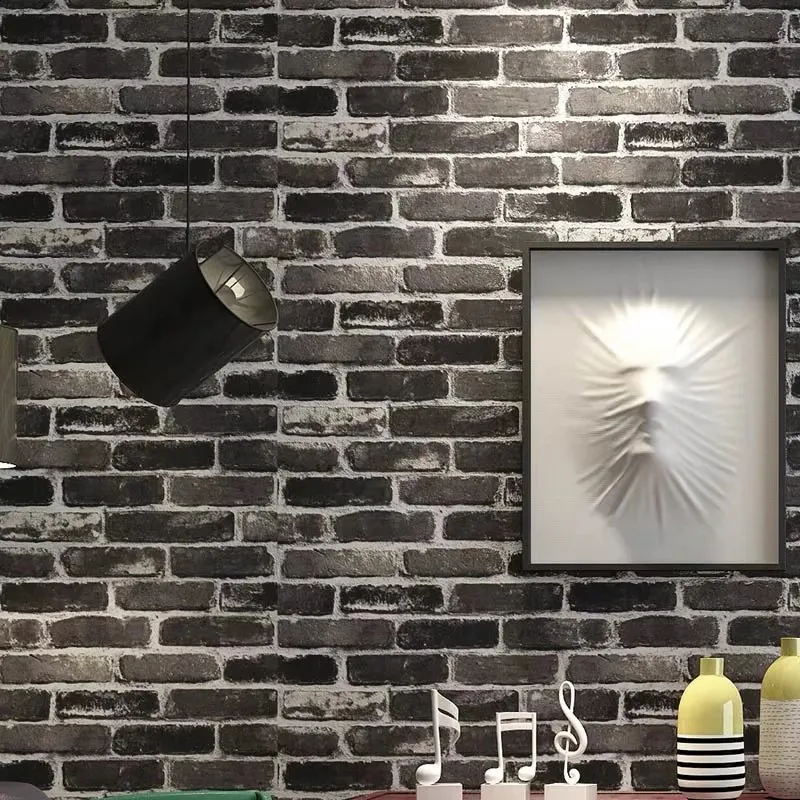
Cultural stone has earned its place in modern interiors and facades because it is more than a cladding material. It carries the character of quarried rock, the memory of masonry, and the quiet history of a region. When a cultural stone supplier takes a pattern into production, the hardest part is not the making. It is keeping every panel faithful to the source - the depth of the grain, the angle of the cleft, the stain of mineral that makes each stone feel real.
This article walks through the disciplines that separate an authentic reproduction from a close look-alike, and what buyers should expect from a cultural stone supplier who takes pattern accuracy seriously.
Every faithful reproduction starts with a reference that is worth trusting. A responsible supplier works from naturally sourced stone - actual cleft samples, quarry slabs, or weathered masonry - rather than an artist's impression. The master material sets the truthful grain direction, the distribution of pores, and the subtle colour shift from edge to centre. If the starting point is honest, the whole production line inherits that honesty.
The mould is where pattern reproduction is truly won or lost. High-grade silicone and rubber compounds are cast directly against the natural master, capturing every fissure, pit and exposed crystal face. A single poor mould rounds off sharp arrises and flattens the deep shadow lines that give stone its volume. Mature production facilities protect these tools carefully, because once the mould carries the pattern faithfully, every panel from it carries the same truth.
A pattern is not only what the eye sees. Casting media such as polymer composite, fibre-reinforced or lightweight aggregate systems must reproduce tactile relief while staying practical to install. Colour completes the illusion. Pigments are layered rather than slapped on, so highlights gather on raised grain and shade settles into the recesses, mirroring how natural mineral stains behave. The result is stone wall panels that read as stone from three feet, not just from across the room.
Producing one faithful panel is achievable; keeping the pattern consistent across an entire project is the true measure of a supplier. Control points cover raw material sourcing, pigment dosing, curing conditions and mould maintenance. Reference panels are held on site, and every production run is compared against them so that a wall finished this month matches a wall finished last. This batch discipline is what allows architects to specify walls solutions with confidence for large residential towers and hotel projects alike.
Customisation and authenticity do not have to conflict. When a project needs a particular tone or a specific stone character, the work is done through controlled colour matching and texture development against supplied samples - not by drifting into a generic look. A dependable supplier treats every custom run as a version of the source stone, so the final panels stay recognisable and truthful even when the palette changes for a locale or a brand.
Accurate reproduction rarely comes from machinery alone or from skilled hands alone. Technology brings repeatability and scale, while experienced technicians read the surface and correct what a machine cannot judge - an over-pigmented recess, a lost cleft edge, a too-smooth finish. Suppliers that invest in both understand that pattern accuracy lives where precision meets judgement.
No reproduction leaves the floor without inspection. Panels are checked for surface defects, dimensional stability and colour uniformity against the approved reference. Rejects are set aside early so they never reach a project site. This final gate is what turns a batch of castings into a dependable material a contractor can install without surprises.
For project owners and architects, the reliable shortcut is to work with a cultural stone supplier who can show how pattern accuracy is controlled - the source material, the moulds, the colour system and the batch records. COLORIA GROUP builds its one-stop walls solutions around that discipline, bringing stone wall panels, cladding and a full range of building materials under a single roof. When the pattern is honoured from the first mould to the last panel, a building does not just carry a stone surface - it carries the character the design intended.
Recommend Products












