
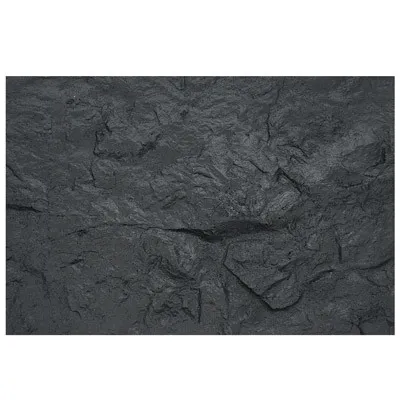
Shipping natural stone slabs across continents presents a unique challenge: how do you ensure a product weighing hundreds of kilograms, yet brittle by nature, arrives intact after weeks at sea? For a boulder slab supplier based in China, managing breakage during international transport is not just about good packaging — it is a systematic process that spans from factory inspection to final delivery. This article breaks down the proven methods used by experienced suppliers to minimise damage and ensure every slab reaches its destination in sellable condition.
Boulder slabs are large-format decorative stone panels cut from natural rock formations. Unlike ceramic tiles or engineered stone, boulder slabs retain the natural veins, fissures, and micro-cracks inherent to the original stone. These characteristics give each slab a unique aesthetic appeal — but they also make the material inherently more susceptible to breakage under stress. During sea freight, a container may experience rolling, pitching, vibration, and sudden impacts. A slab that is not properly secured can crack, chip, or shatter before it ever reaches the job site.
The most common causes of slab breakage in transit include inadequate cushioning, unbalanced weight distribution inside the container, moisture-related weakening, and rough handling at ports. A professional decorative profiles supplier addresses each of these risks with a layered approach.
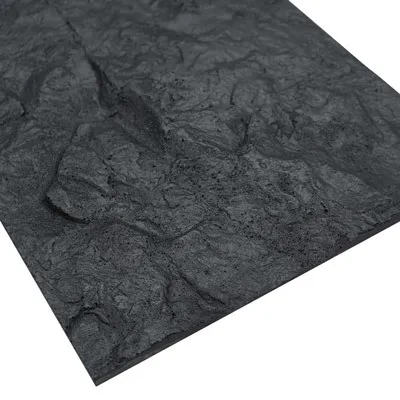
Breakage prevention starts long before the container is loaded. Every slab undergoes a thorough inspection at the factory, where technicians check for:
Slabs that pass inspection are tagged with barcodes for traceability. This documentation is invaluable — if a dispute arises, the supplier can produce photographic evidence showing the slab was in perfect condition before shipping.

Packaging is the first and most critical line of defence. A single layer of bubble wrap is not sufficient for boulder slabs. Instead, professional suppliers use a multi-layer packaging system:
Each slab face is covered with a protective plastic film to prevent scratches and surface abrasion. For polished or honed surfaces, an additional layer of soft foam sheeting is applied to preserve the finish.
Edges and corners are the most vulnerable points on any stone slab. High-density foam corner protectors and reinforced edge guards are fitted to every slab. Some suppliers use custom-moulded plastic or rubber corner caps for extra impact resistance.
A thick layer of expanded polyethylene (EPE) foam or similar shock-absorbing material is placed between each slab in a bundle. This prevents slab-to-slab contact and absorbs vibration energy during transit.
The bundled slabs are secured inside fumigated solid wood crates that comply with ISPM-15 international standards. Internal steel strapping or wooden bracing prevents any movement inside the crate. The crate itself is designed to withstand stacking pressure without transferring force to the stone inside.
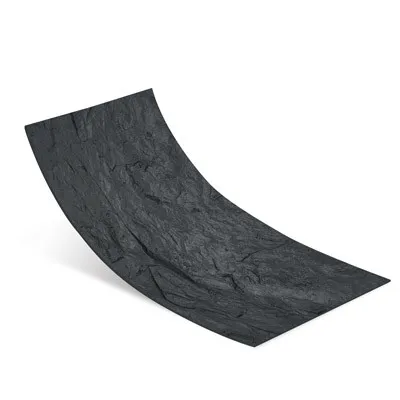
Even the best-packaged slabs can break if the container is loaded incorrectly. The loading strategy is as important as the packaging itself:
| Loading Principle | Why It Matters |
|---|---|
| Vertical A-frame positioning | Slabs are loaded on their edges in an A-frame rack, which distributes weight along the strongest axis of the stone and dramatically reduces the risk of snapping under vertical pressure |
| Heaviest crates first | Placing the heaviest bundles at the bottom and front of the container lowers the centre of gravity, improving stability during sea transit |
| Balanced weight distribution | An uneven load can cause the container to tilt during crane lifting or truck transport, subjecting slabs to unexpected lateral forces |
| Gap filling and bracing | All empty spaces between crates and container walls are filled with air bags, foam blocks, or wooden bracing to eliminate any room for movement |
| Anti-slip flooring | Rubber mats or anti-slip sheeting under the crates prevent sliding during road transport legs of the journey |
Experienced suppliers also consider the container type. A 40-foot high-cube (40HC) container is often preferred for boulder slabs because its extra height accommodates the vertical A-frame racks comfortably. A standard 20GP container may be used for smaller orders, with careful attention to the 28-ton payload limit.

Moisture is a silent enemy of stone during sea freight. When a container travels from a warm climate to a cooler one — or vice versa — condensation can form inside. Natural stone absorbs moisture, and repeated wet-dry cycles can weaken the internal structure, making slabs more brittle.
To combat this, suppliers place industrial-grade desiccant packs inside each crate and at several points throughout the container. Slabs are wrapped in polyethylene film to create a moisture barrier. For particularly sensitive stone types or long-haul routes, vacuum sealing may be used. The container interior is also inspected for rust, leaks, and odours before loading begins.
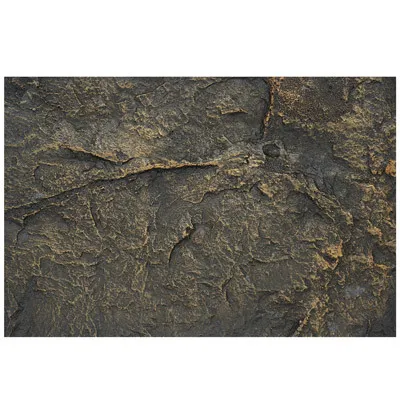
A professional China decorative profiles supplier maintains comprehensive documentation at every stage. This includes:
Marine cargo insurance is strongly recommended for all international slab shipments. A supplier who photographs the entire loading process provides the buyer with the evidence needed to process an insurance claim quickly if damage does occur.
Key Takeaway: The best suppliers do not treat breakage as an unavoidable cost of business. They treat it as a preventable outcome — one that is controlled through inspection, packaging engineering, strategic loading, moisture management, and meticulous documentation.
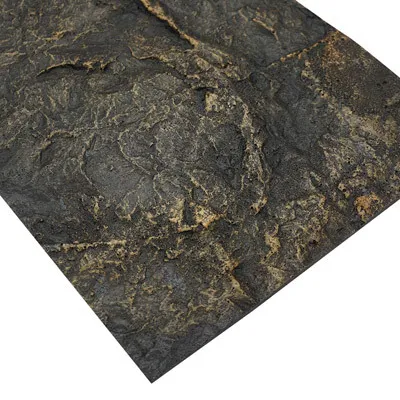
As a one-stop building materials provider headquartered in Foshan, China, COLORIA GROUP has developed a refined logistics protocol for its boulder slab products. The company's Boulder Slab is part of a broader decorative profiles range that includes Metal Series, Mirror Series, Wood Grain, Matte Marble, and Bali Stone — all of which require similarly careful handling during export.
COLORIA GROUP applies the same multi-layer packaging and container-loading principles described above, with the added advantage of an integrated supply chain. Because the company operates across 13 product categories — from walls and flooring to sanitary fixtures and elevators — it can consolidate mixed loads in a single container, optimising both space and cost while maintaining strict breakage-prevention standards for each product type.
With an agent network extending to Saudi Arabia and a logistics team experienced in international shipping documentation, COLORIA GROUP ensures that every boulder slab shipment is trackable, insurable, and delivered with the same surface quality it had when it left the factory floor.
When sourcing boulder slabs from China, asking the right questions before placing an order can save significant time and cost:
A supplier who answers these questions clearly and provides evidence-backed processes is one who has invested in genuine breakage-prevention — not just promises.
Looking for a reliable boulder slab supplier with proven international shipping experience?
Contact COLORIA GROUP today to discuss your project requirements and receive a tailored quote with full shipping and packaging specifications.
Recommend Products












