

Walk into any modern home renovation or commercial construction site these days, and there's a good chance you'll hear the term "WPC" thrown around. Short for Wood-Plastic Composite, WPC wall panels have quietly revolutionized the way we think about interior and exterior cladding. They're durable, easy to install, and come in a range of styles that mimic natural materials—so much so that even seasoned contractors sometimes do a double-take when they realize that "wooden" wall isn't actually wood at all. But how exactly do these panels go from raw materials to the sleek, functional surfaces in our homes and offices? Let's dive in.
Before we get into the "how," let's clarify the "what." WPC wall panels are a hybrid material made by blending wood fibers (or sawdust) with thermoplastic resins (like polyethylene or polypropylene), plus a mix of additives to boost performance. The result? A material that takes the best of both worlds: the natural look and feel of wood, and the moisture resistance, durability, and low maintenance of plastic. It's no wonder that as a building material supplier specializing in innovative solutions, we've seen demand for WPC skyrocket over the past decade—especially among homeowners and designers who want beauty without the hassle of traditional materials.
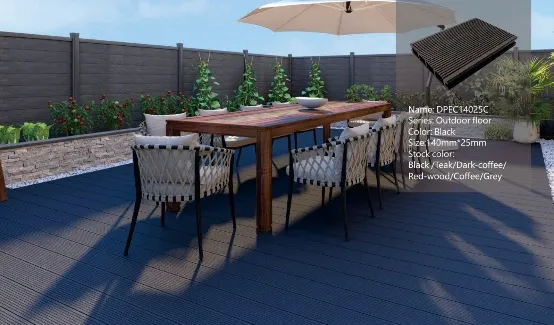
But WPC isn't just for walls. You'll find it in flooring solutions too, where its ability to withstand heavy foot traffic and spills makes it a favorite for kitchens, basements, and commercial spaces. For now, though, let's focus on how these panels are crafted specifically for wall applications—and why they've become a cornerstone of interior decoration materials in both residential and commercial projects.
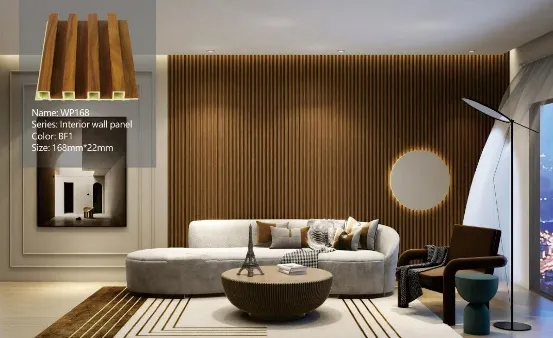
Creating WPC wall panels is a precise, multi-step process that balances art and science. Every batch starts with careful ingredient selection, and each step is calibrated to ensure consistency—because when you're a WPC wall panel supplier , reliability is non-negotiable. Let's break it down step by step.
The magic of WPC starts with the right mix of wood and plastic. Most manufacturers use recycled wood fibers (from sawmills or furniture factories) and recycled plastic (think old milk jugs or plastic bags)—a win for sustainability, as it keeps waste out of landfills. The wood component typically makes up 40-60% of the mix, while plastic accounts for 30-50%. The remaining 5-10%? Additives that turn good panels into great ones: UV stabilizers to prevent fading in sunlight, foaming agents to reduce weight, lubricants to make extrusion smoother, and flame retardants for safety.
Before mixing, the wood fibers are dried to a moisture content of less than 2%—critical, because excess moisture can cause bubbles or warping during production. The plastic is shredded into small pellets to ensure it melts evenly. Think of it like baking: you wouldn't toss a whole stick of butter into a cake batter; you chop it up first. Same logic here.
Once the raw materials are prepped, they're fed into a high-speed mixer. This isn't your kitchen blender—we're talking industrial-grade machines that spin at thousands of revolutions per minute, heating the mixture to around 180-200°C. The heat melts the plastic, which then coats the wood fibers, creating a uniform "dough." The additives are mixed in at this stage too: UV stabilizers first, then lubricants to prevent the mixture from sticking to the machinery, and flame retardants if the panels are destined for high-safety areas like hospitals or schools.
The mixing process is a bit like making cookie dough—too little mixing, and the ingredients won't bind; too much, and you risk overheating the plastic, which can weaken the final product. Experienced operators monitor the temperature and consistency closely, adjusting the speed and duration based on the batch size and desired panel properties.
Now comes the fun part: turning that dough into actual panels. The mixed material is fed into a twin-screw extruder—a long, heated cylinder with rotating screws that push the mixture forward under high pressure. As the material moves through the extruder, it's further melted and homogenized, then forced through a die (a metal mold) that shapes it into the desired panel profile. Dies can be customized to create different thicknesses (usually 6mm to 20mm for walls), textures (smooth, embossed, or wood-grained), and even hollow cores (to reduce weight and improve insulation).
Extrusion is where precision matters most. The temperature of the extruder barrel is carefully controlled—cooler at the feed end (to prevent premature melting) and hotter near the die (to ensure the material flows smoothly). If the temperature is off by even a few degrees, the panel might warp, have surface defects, or fail to hold its shape. After exiting the die, the panels pass through a cooling tank filled with water, which sets the plastic and locks the shape in place. It's like pulling taffy: you stretch it, shape it, then cool it to keep it from shrinking back.
Once cooled, the continuous panel "ribbon" is fed into a cutting machine, which slices it into standard lengths (typically 2.4m or 3m, though custom sizes are available for large projects). Any rough edges are trimmed, and the panels are inspected for defects like cracks, air bubbles, or uneven thickness. Panels that pass inspection then move to surface treatment—this is where they get their final look.
Surface treatment options vary based on the desired aesthetic. Some panels are embossed with wood grain, stone, or concrete patterns using heated rollers. Others are laminated with decorative films (like PVC or melamine) to mimic high-end materials like oak, teak, or marble. For exterior use, panels might get an extra layer of UV-resistant coating to prevent fading. The goal? To make the panel look as natural (or as modern) as the project demands—without sacrificing performance.
Before panels leave the factory, they undergo a battery of tests to ensure they meet industry standards. We'll dive deeper into quality standards later, but for now, think of it as a final check: Does the panel resist moisture? Can it handle impacts without cracking? Does it meet fire safety codes? Panels that pass are packaged (often with protective film to prevent scratches) and shipped to distributors, contractors, or directly to customers. And just like that, what started as wood scraps and plastic bottles becomes a durable, beautiful wall panel ready to transform a space.
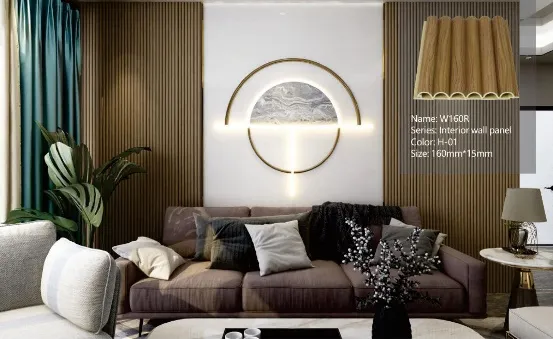
Not all WPC wall panels are created equal. A quick scroll through online marketplaces will show you panels ranging from rock-bottom cheap to surprisingly pricey—and the difference often comes down to quality. As a WPC wall panel supplier , we know that contractors and homeowners don't just want a panel that looks good; they want one that lasts. So what exactly do we test for?
One of the biggest perks of WPC is its ability to stand up to moisture—and that's non-negotiable for wall panels, especially in bathrooms, kitchens, or basements. Quality panels should have a moisture absorption rate of less than 3% (tested by soaking samples in water for 24 hours and measuring weight gain). To put that in perspective: solid wood can absorb up to 20% moisture, leading to warping, rotting, or mold. WPC's plastic component acts as a barrier, keeping water out and ensuring the panel stays stable even in humid environments.
Walls take a beating—from kids' toys to moving furniture to accidental bumps. A good WPC panel should resist dents and scratches. Testing involves dropping a steel ball (usually 1kg) from a height of 1m onto the panel surface; if it cracks or chips, it fails. Flexural strength is another key metric: panels should bend slightly under pressure without breaking (think of leaning against a wall—you don't want it to snap!). Most quality panels have a flexural strength of 15-20 MPa, which is more than enough for residential use.
For commercial buildings like schools, hospitals, or offices, fire ratings are make-or-break. WPC panels are generally classified as fire-retardant (not fireproof), with most falling into Class B or Class C in European standards (EN 13501-1). Some high-performance panels, treated with extra flame retardants, can reach Class A2, making them suitable for high-risk areas. The key here is low smoke emission: even if a panel burns, it shouldn't release toxic fumes, which are often more dangerous than the fire itself.
Since WPC panels are used indoors, formaldehyde and volatile organic compound (VOC) emissions are a big concern. Quality panels should meet strict standards like CARB (California Air Resources Board) Phase 2 or E0 (≤0.5mg/L formaldehyde), ensuring they don't off-gas harmful chemicals. Many manufacturers also use recycled materials, reducing their carbon footprint—so you can feel good about choosing a panel that's kind to both your home and the planet.
Imagine ordering 100 panels and finding that half are slightly darker, thinner, or more brittle than the others. That's a contractor's nightmare. Quality WPC wall panel solutions prioritize consistency: every panel in a batch should have the same color, thickness, and texture. This is achieved through tight control of raw material ratios, extrusion temperatures, and surface treatment processes. Reputable suppliers will also provide batch test reports, so you know exactly what you're getting before installation.
Still on the fence about WPC? Let's compare it to the materials it's replacing—wood, PVC, and even natural stone—to see why it's become a go-to for interior decoration materials .
| Feature | WPC Wall Panels | Solid Wood Panels | PVC Panels | Natural Stone |
|---|---|---|---|---|
| Moisture Resistance | Excellent (resists rot/mold) | Poor (swells/warps when wet) | Good (but can crack in cold) | Excellent (but heavy/porous) |
| Maintenance | Low (wipe with soap and water) | High (needs painting/staining yearly) | Low (but prone to scratches) | High (sealing required every 1-2 years) |
| Installation | Easy (lightweight, click-lock systems) | Medium (requires nails/screws; heavy) | Easy (lightweight, but less rigid) | Hard (requires professional installers; very heavy) |
| Cost | Mid-range ($20-$40/sq.m) | High ($50-$100+/sq.m) | Low ($10-$25/sq.m) | Very High ($80-$200+/sq.m) |
| Eco-Friendliness | Good (uses recycled materials) | Variable (depends on sourcing) | Poor (non-biodegradable; made from virgin plastic) | Variable (quarrying impacts ecosystems) |
The takeaway? WPC hits the sweet spot: it's more affordable than wood or stone, more durable than PVC, and easier to work with than almost any traditional material. No wonder WPC wall panel suppliers can't keep up with demand!
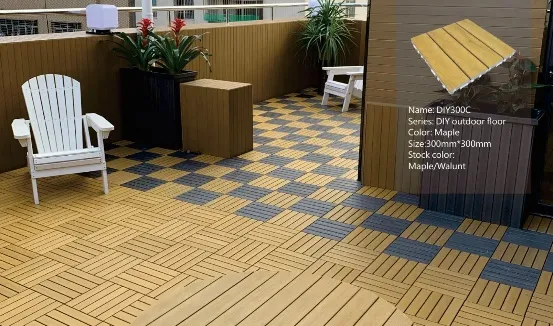
WPC's versatility makes it suitable for just about any space, but there are a few areas where it truly stands out:
Homeowners love WPC for accent walls, feature panels, or even full-room cladding. In living rooms, a wood-grain WPC panel adds warmth without the risk of termites or water damage. In bathrooms, it resists steam and humidity better than drywall or paint. And in kids' rooms? Its impact resistance means crayon marks wipe off, and dents from toy trucks are a thing of the past.
Restaurants, offices, and retail stores use WPC for its durability and low maintenance. Imagine a busy café with WPC walls: spills wipe up easily, and the panels stand up to chairs scraping against them. Hotels love it for guest room headboards or corridor walls—no need for frequent repainting, and it looks fresh for years. Even gyms are jumping on board: WPC's moisture resistance makes it ideal for locker rooms, where sweat and humidity would destroy traditional materials.
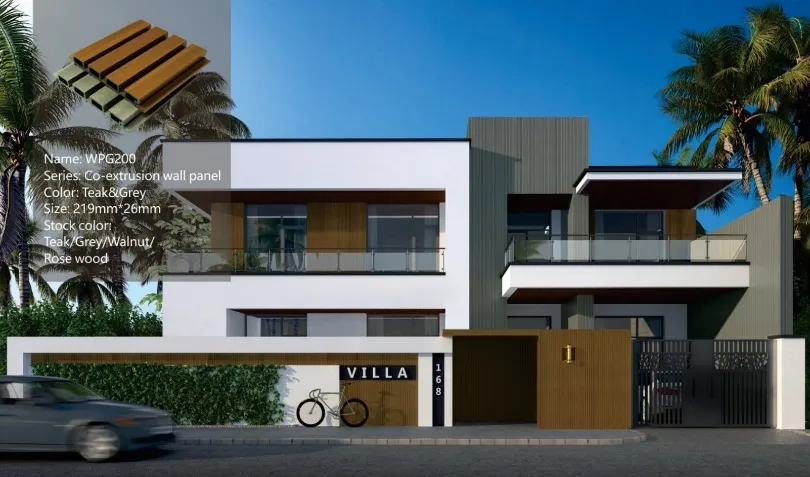
While most WPC panels are designed for interior use, some manufacturers offer exterior-grade options (with extra UV stabilizers and thicker profiles). These work well for patio walls, garden sheds, or low-rise building facades. Just note: exterior WPC needs proper ventilation to prevent heat buildup, and it's not recommended for areas with extreme temperature swings (like deserts or polar regions) unless specifically rated for it.
Now that you know how WPC panels are made and why they're great, the next step is finding a supplier you can trust. Not all suppliers are created equal—some cut corners on raw materials or skip quality tests to lower costs. Here's what to ask before placing an order:
WPC wall panels aren't just a trend—they're a sign of how construction materials are evolving. By blending sustainability, durability, and aesthetics, they've solved many of the pain points of traditional cladding. Whether you're a homeowner tackling a DIY renovation or a contractor managing a commercial project, WPC offers a balance of performance and practicality that's hard to beat.
As a building material supplier who's seen the industry shift firsthand, I can confidently say: WPC wall panels are more than just a "good alternative"—they're setting a new standard. So the next time you walk into a space with beautiful, low-maintenance walls, take a closer look. Chances are, you're looking at the future of building materials.
Recommend Products











