
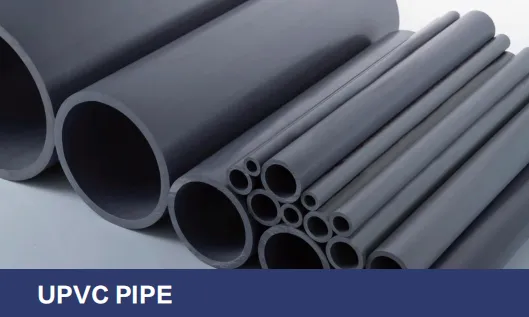
UPVC, or Unplasticized Polyvinyl Chloride, is a rigid, durable plastic material used to make pipes and fittings. Unlike regular PVC (which contains plasticizers to make it flexible), UPVC is stiff and resistant to heat, chemicals, and impact. UPVC pipe solutions encompass a range of products designed for specific uses: from carrying drinking water and wastewater to transporting chemicals in industrial settings. They're lightweight, easy to mold, and highly customizable—factors that have made them a favorite among modern builders.
Today, upvc pipe suppliers offer everything from small-diameter pipes for residential plumbing to large-diameter options for commercial drainage. Many also provide fittings (like elbows, tees, and valves) that are engineered to fit seamlessly, reducing the risk of leaks. In Saudi Arabia, where extreme temperatures and high humidity can take a toll on building materials, UPVC has gained traction for its ability to withstand harsh conditions without corroding or warping.
Traditional pipe systems refer to the materials that dominated the plumbing and construction industries before the rise of plastics. These include:
For decades, these materials were the only options. Contractors like Maria learned to work around their flaws: carrying heavy steel pipes up ladders, hiring specialists to solder copper, or budgeting for frequent replacements of rusted sections. But as technology advanced, UPVC emerged as a viable alternative—and it's changing the game.
To understand why UPVC pipe solutions are gaining ground, let's compare them side-by-side with traditional systems. The table below highlights the most critical factors builders and homeowners consider:
| Category | UPVC Pipe Solutions | Traditional Pipe Systems (Galvanized Steel/Copper/Cast Iron) |
|---|---|---|
| Material | Rigid plastic (unplasticized PVC) | Metal (steel, copper, iron) or semi-plastic (PPR) |
| Weight | Lightweight (1/5 the weight of steel) | Heavy (steel pipes can weigh 10-15 lbs per foot) |
| Durability | Resistant to corrosion, rust, and chemical damage; lifespan of 50+ years | Prone to rust (steel), pinholes (copper), or cracking (cast iron); lifespan of 20-30 years |
| Installation | Easy to cut, glue, or thread; no welding/soldering needed | Requires specialized tools (welders, torches) and skilled labor |
| Cost | Lower upfront cost (30-50% cheaper than copper/steel) | Higher upfront cost; additional labor fees for installation |
| Maintenance | Minimal—no rust checks or corrosion treatments | Frequent inspections for leaks, rust, and scale buildup |
| Environmental Impact | Recyclable; low energy use in production | High carbon footprint (mining for metal, energy-intensive manufacturing) |
Numbers tell part of the story, but real-world performance is what matters. Let's break down the differences in more detail.
Traditional steel pipes are warriors—until rust becomes their kryptonite. When exposed to moisture (which is, after all, what pipes carry), the zinc coating on galvanized steel wears off over time, leaving the metal vulnerable. In coastal areas like Dammam or Jeddah, where salt air accelerates corrosion, steel pipes can start rusting in as little as 5-7 years. Copper fares better, but it's susceptible to "pitting corrosion" from acidic water, and it can leach into drinking water if not properly treated.
UPVC pipe solutions, by contrast, are corrosion-proof. They don't react with water, salt, or most chemicals, making them ideal for everything from residential plumbing to industrial wastewater systems. In fact, most upvc pipe suppliers warranty their products for 50+ years—far longer than the 20-30 year lifespan of steel or copper. Even in extreme temperatures (common in Riyadh, where summer highs hit 50°C), UPVC holds its shape; it can withstand temperatures from -10°C to 60°C without warping.
Ask any contractor about installing traditional pipes, and they'll likely sigh. Galvanized steel pipes weigh 10-15 pounds per foot—imagine carrying a 20-foot section up a ladder. Copper requires soldering, which means hauling around torches, flux, and specialized tools. Cast iron? It often needs cranes to move. All of this adds time: a team of two might spend a full day installing steel pipes for a small bathroom.
UPVC pipe solutions are a game-changer here. A 20-foot UPVC pipe weighs just 2-3 pounds, so one person can carry multiple sections. Installation is simple: cut the pipe with a handsaw, apply solvent cement to the fittings, and twist them together. No torches, no welding, no heavy machinery. Maria, the Jeddah contractor, found that her team installed UPVC pipes 3x faster than steel—saving a full week on her 100-unit project. "We finished ahead of schedule and under budget," she said. "That never happens with steel."
At first glance, traditional pipes might seem cheaper. A 10-foot galvanized steel pipe costs around SAR 40, while a similar UPVC pipe costs SAR 25. But that's just the upfront cost. Steel requires fittings (elbows, tees) that are also pricier, and you'll need to pay for labor: SAR 80-100 per hour for a skilled welder, versus SAR 40-50 per hour for a UPVC installer.
Over time, the savings with UPVC pile up. Traditional pipes need frequent repairs: fixing a rusted steel joint costs SAR 200-300 per hour, and replacing a section can run into the thousands. UPVC? Once installed, it rarely needs maintenance. Maria calculated that the UPVC wing of her project saved SAR 12,000 in labor alone during installation, and she estimates it will save another SAR 30,000 in repairs over the next decade.
Traditional pipes demand attention. Steel pipes need regular checks for rust, especially at joints. Copper pipes require descaling (removing mineral buildup) every 3-5 years, which involves flushing the system with chemicals. Cast iron drainage pipes (think PVC DWV pipe's older sibling) are prone to clogging, as debris sticks to their rough interiors.
UPVC pipe solutions are "fit and forget." Their smooth inner walls resist mineral buildup, so clogs are rare. They don't rust, so you'll never need to replace a joint because of corrosion. Even in hard-water areas, where limescale is a problem, UPVC's non-porous surface keeps buildup to a minimum. "I used to send a plumber to check steel pipes every 6 months," Maria said. "With UPVC, I don't think about them. They just work."
In 2023, a public school in Riyadh needed to replace its aging copper plumbing system. The pipes, installed in the 1990s, were leaking and causing water damage to classrooms. The school's facilities manager, Ahmed, considered two options: copper again (costing SAR 250,000) or UPVC pipe solutions (costing SAR 150,000). He chose UPVC, and the results were striking. Installation took 5 days instead of the projected 10, minimizing class disruptions. Two years later, there have been zero leaks or repairs. "We saved SAR 100,000 upfront and haven't spent a riyal on maintenance," Ahmed reported. "It was a no-brainer."
Today's builders aren't just thinking about cost—they're thinking about sustainability. Traditional pipe production is resource-heavy: mining iron ore or copper requires massive energy, and steel manufacturing emits CO2. Galvanizing steel uses zinc, a finite resource, and old steel pipes are often sent to landfills because recycling them is costly.
UPVC pipe solutions are greener by design. UPVC is made from recyclable plastic, and many upvc pipe suppliers use recycled materials in their production. Manufacturing UPVC requires 50% less energy than steel, and since UPVC pipes last longer, they reduce the need for frequent replacements (and the waste that comes with it). Even better, UPVC is lead-free, so it doesn't contaminate drinking water—critical for projects like hospitals or schools, where safety is paramount.
UPVC pipe solutions are versatile, but they're not the answer for every scenario. Let's break down where each system works best:
For Maria, the decision came down to three things: reliability, speed, and cost. "I used to think traditional pipes were 'tougher,' but UPVC has proven it's just as strong—without the hassle," she said. Her experience mirrors a broader trend: in Saudi Arabia, upvc pipe suppliers report a 40% increase in demand over the past 5 years, as builders wake up to the benefits.
Whether you're a homeowner renovating your kitchen, a contractor building a skyscraper, or a facility manager upgrading a school, UPVC pipe solutions offer clear advantages: they last longer, install faster, cost less, and require minimal maintenance. In a market where time and budget are always tight, that's a difference you can't ignore.
Recommend Products












