
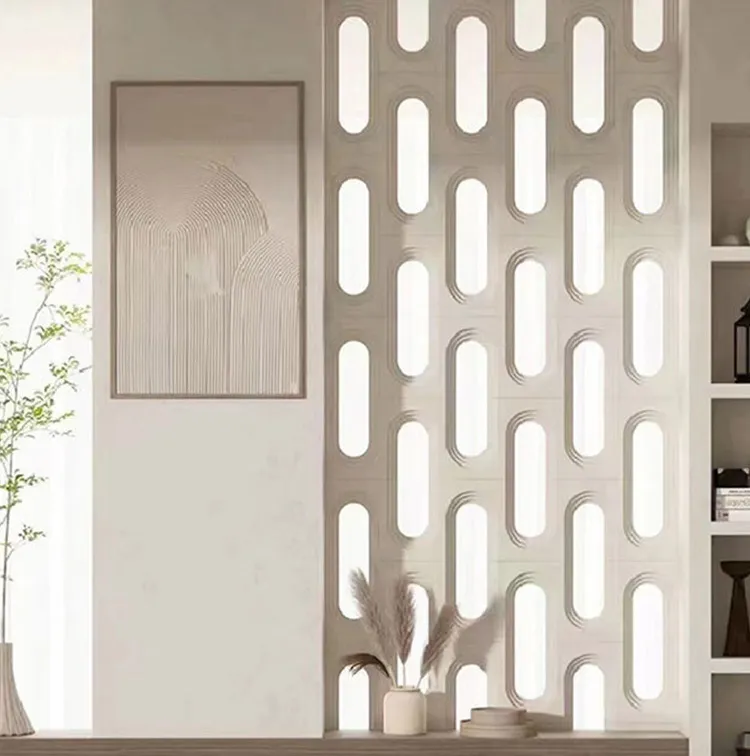
Triumphal arches have long stood as symbols of grandeur in architecture, tracing back to ancient Rome where they commemorated military victories and imperial achievements. Today, these majestic curved structures find their way into residential entrances, hotel lobbies, commercial facades, and public monuments. When planning a project that features a triumphal arch, one of the earliest and most consequential decisions is whether to use prefabricated component solutions or commission a fully custom-built arch. The cost difference between these two approaches can be substantial, and understanding what drives those numbers helps you make an informed choice.
Triumphal arch component solutions refer to prefabricated, modular systems that are manufactured off-site and assembled on location. These components typically come in the form of lightweight polyurethane (PU) stone panels, decorative profile segments, MCM flexible cladding, or precast concrete modules. Each piece is designed to interlock with the next, forming a complete arch structure without the need for heavy masonry work. A one-stop architectural solution provider like COLORIA GROUP offers a range of such components, covering everything from wall panels to decorative profiles solutions that can be configured into arch shapes.
The key advantage of component-based arches lies in their manufacturing process. Panels are molded from real stone templates, capturing intricate textures, grain patterns, and weathering details that would take skilled masons days to replicate by hand. Because production happens in a controlled factory environment, quality consistency is high, and waste is minimized. The panels arrive on site ready to install, with pre-engineered tongue-and-groove edges, alignment markers, and standardized dimensions.
Custom-built arches are constructed entirely on site using traditional methods. This typically involves building a wooden or steel formwork, laying bricks or stones piece by piece, applying mortar, and finishing with grout, plaster, or paint. Skilled stonemasons, carpenters, and laborers work together over a period of days or weeks, depending on the arch's size and complexity. For natural stone arches, each block may need to be individually cut, shaped, and fitted to the curve of the design.
Custom arches offer unlimited design freedom. If the project calls for a specific radius, an unusual stone type, or integrated structural features like concealed lighting channels or load-bearing reinforcements, custom construction can accommodate those requirements. However, this flexibility comes at a price — both in terms of money and time.
The cost gap between these two approaches is driven by four main factors: materials, labor, installation time, and long-term maintenance. The table below summarizes how each factor plays out.
| Cost Factor | Component Solutions | Custom-Built Arches |
|---|---|---|
| Materials | Factory-produced panels (PU stone, MCM cladding, precast modules) at standardized pricing; bulk purchasing reduces per-unit cost | Raw stone or brick sourced individually; material waste from on-site cutting can reach 10-15%; specialty stone increases cost significantly |
| Labor | Installation requires 1-2 general workers with basic tools; no specialized masonry skills needed; labor cost is substantially lower | Requires skilled stonemasons and carpenters; daily rates for specialized trades are higher; project duration multiplies labor expense |
| Installation Time | Typical arch assembly completes in 1-2 days; minimal curing or drying time; project timeline is predictable | Construction can take 1-3 weeks including formwork, laying, curing, and finishing; weather delays extend schedules |
| Maintenance | UV-resistant and waterproof by design; no sealing or repointing needed; occasional rinse keeps surface clean; repair involves replacing individual panels | Natural stone requires periodic sealing against moisture; mortar joints may need repointing over time; crack repair is labor-intensive |
In practical terms, component-based arch solutions often come in at a fraction of the cost of a fully custom masonry arch. The savings are most pronounced in projects where the arch is primarily decorative rather than load-bearing — which covers the majority of residential and commercial applications. When the arch does not need to support structural weight above it, the lightweight nature of prefabricated components becomes an advantage rather than a limitation.
The material you choose has a direct impact on both the upfront cost and the long-term value of your arch. Component solutions offer a broad palette of finishes that replicate premium materials at a lower price point. For instance, PU stone wall panel solutions convincingly reproduce the look of natural limestone, travertine, or granite — complete with color variation, surface texture, and joint lines — without the weight, cost, or installation complexity of real stone.
Decorative profiles in materials like bright marble, matte marble, Bali stone, and wood grain provide additional design flexibility. These can be used as arch surrounds, keystone accents, or base moldings to frame the archway. Since they are produced as modular units, mixing and matching finishes across a single arch is straightforward and cost-effective.
On the custom-built side, natural stone categories such as granite, marble, and limestone command premium prices. Sourcing, transporting, and fabricating these materials for a curved arch structure adds layers of expense. A single custom-carved marble keystone can cost as much as an entire prefabricated arch kit. The aesthetic payoff is undeniable — natural stone has a depth and uniqueness that no manufactured product fully equals — but the budget must accommodate it.
Choosing the right supplier is just as important as choosing the right construction method. A supplier with a broad product portfolio can provide matching components across categories — walls, flooring, decorative profiles, and lighting — ensuring a cohesive look throughout the project. Working with a single source also simplifies logistics, reduces shipping costs, and streamlines communication.
COLORIA GROUP, as a one-stop building materials supplier, offers comprehensive solutions that span interior and exterior applications. From decorative stone-effect panels to complete wall and flooring systems, the product range supports architects, contractors, and developers in executing arch features efficiently and within budget. The company's experience in supplying projects across residential, commercial, and hospitality sectors means that practical, on-the-ground insights inform every product recommendation.
Triumphal arch component solutions and custom-built arches each have their place in modern construction. The cost comparison tilts decisively in favor of component solutions for most decorative applications — lower material costs, reduced labor requirements, faster installation, and minimal ongoing maintenance all contribute to a significantly lower total cost of ownership. Custom-built arches remain the right choice for structural, heritage, or highly bespoke projects where the additional investment is justified by specific performance or aesthetic requirements. By understanding the trade-offs and partnering with an experienced supplier, you can achieve the architectural impact of a triumphal arch without exceeding your budget.
Recommend Products












