
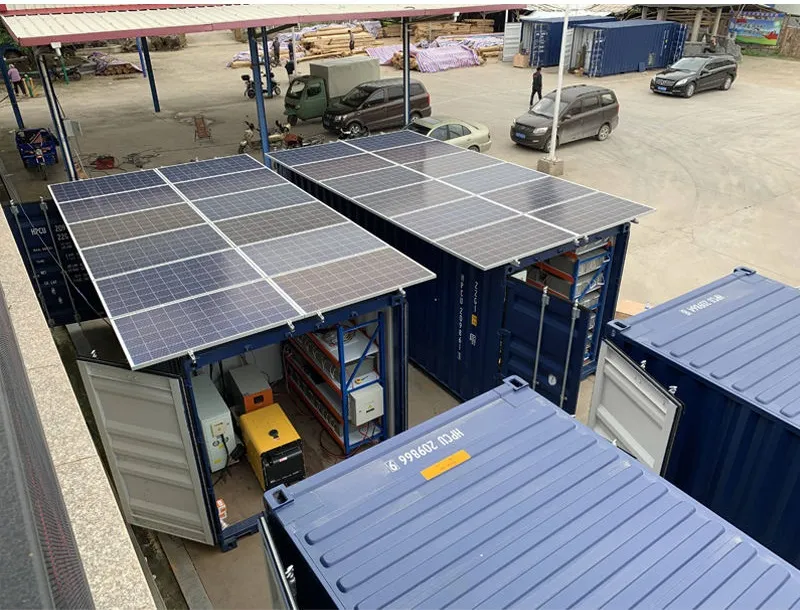
Solar energy keeps growing in popularity, and for good reason. Whether you are planning a weekend camping trip or thinking about cutting your home electricity bill, solar panels offer a clean way to generate power. But when you start comparing options, one question comes up again and again: how do the best portable solar panels compare to fixed panels in efficiency? The short answer is that fixed panels are generally more efficient, but the full answer depends on how you measure efficiency, where you use the panels, and what you actually need. This guide breaks down the real differences so you can choose with confidence.
Panel efficiency is simply the percentage of sunlight that a panel converts into usable electricity. A panel rated at 20% efficiency turns one fifth of the sunlight that hits its surface into power; the rest is lost as heat or reflected light. Higher efficiency means more electricity from the same surface area, which matters when space is limited, such as on a rooftop or the roof of an RV.
For context, most consumer panels on the market today fall into a fairly wide band. Fixed rooftop panels built with monocrystalline cells typically reach 20% to 25% efficiency, while portable and flexible panels usually sit in the 15% to 22% range. That gap of a few percentage points might sound small, but it adds up quickly over years of daily use.
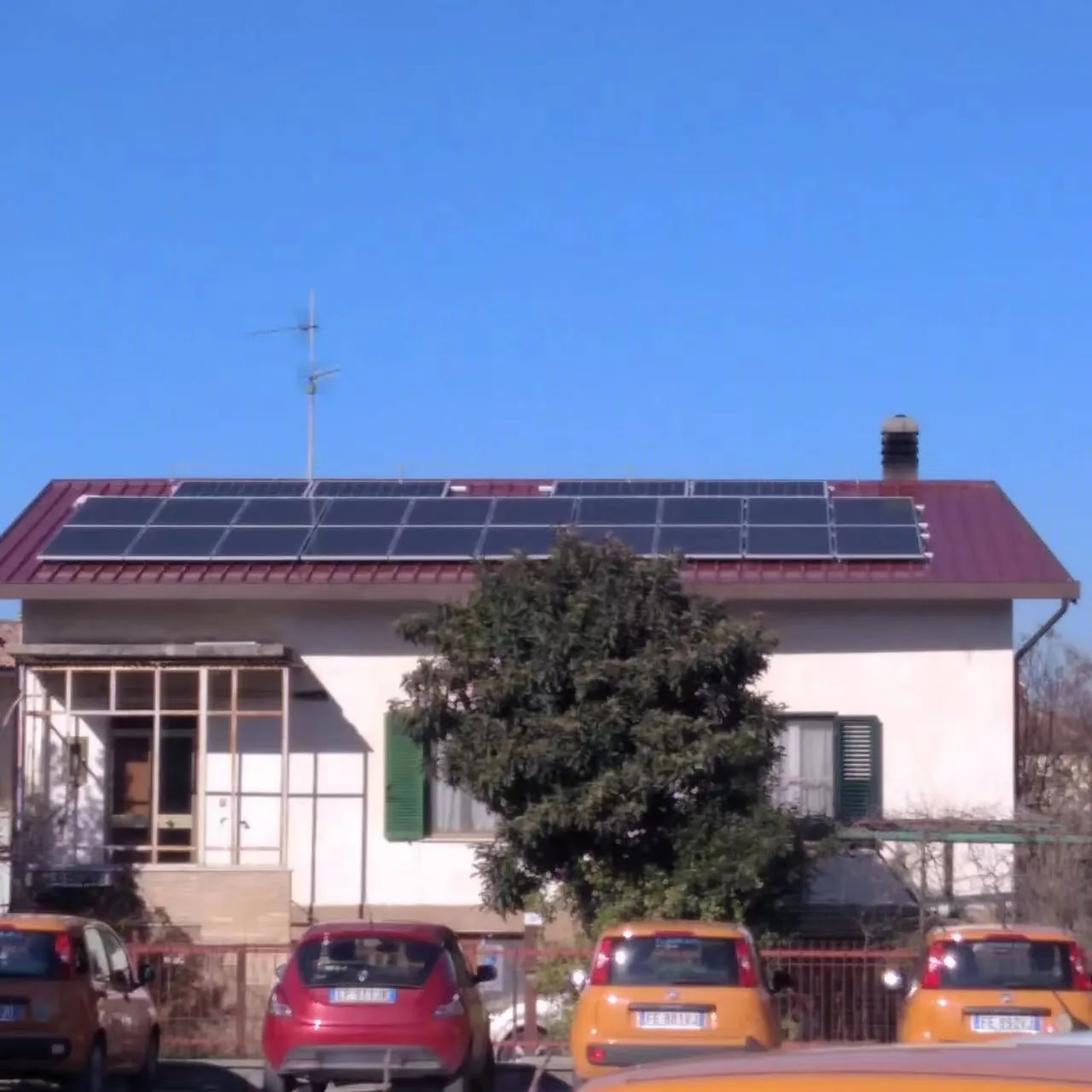
The efficiency gap between portable and fixed panels is not an accident. It comes down to the trade-offs manufacturers make when they design each type.
Portable panels prioritize weight, flexibility, and compactness. To keep them light enough to carry, they often use thinner substrates, flexible materials, or smaller cells, and they are folded or rolled into a small package. These design choices make the panels easy to transport but slightly reduce how much sunlight each cell can capture. In addition, portable panels are frequently used flat on the ground or leaned against a tent, so they rarely sit at the ideal angle for the sun.
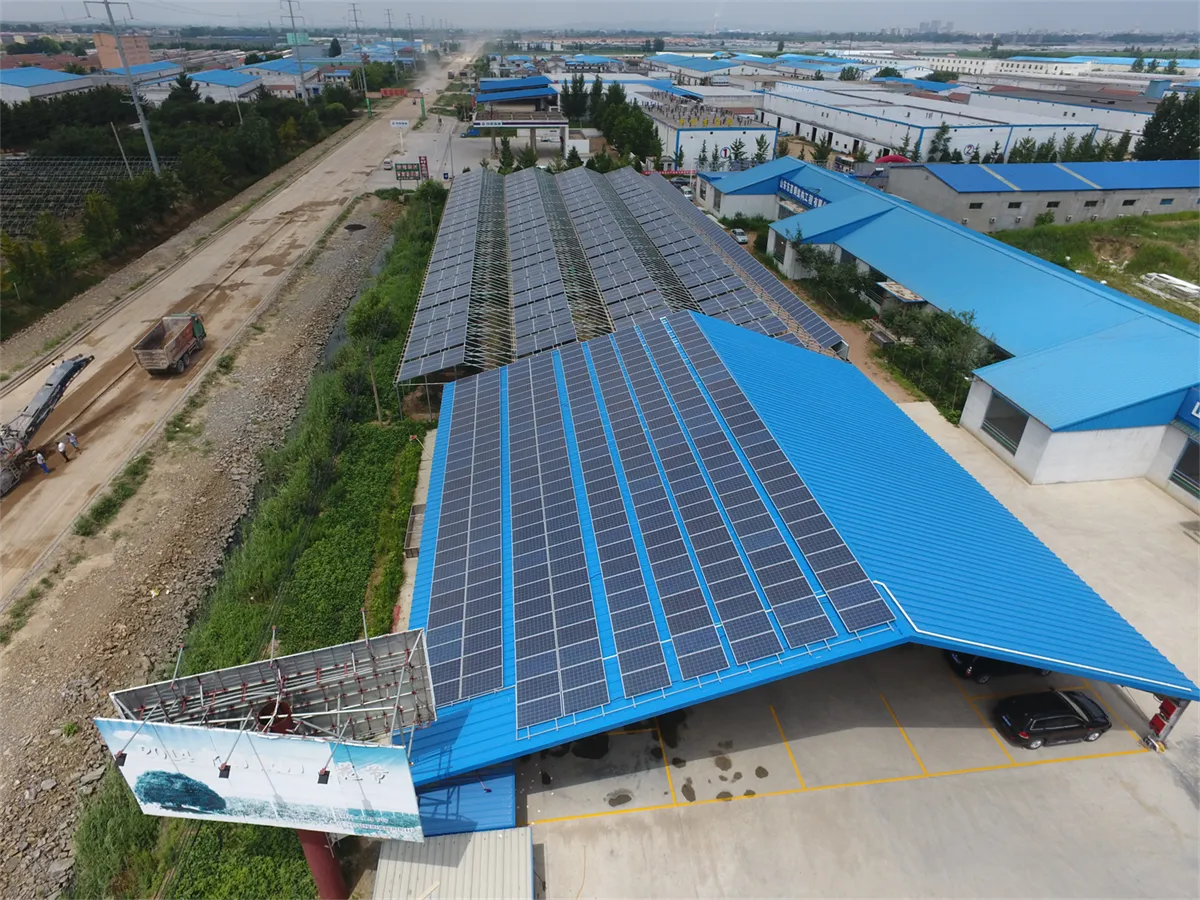
Fixed panels, by contrast, are built for maximum long-term output. They use high-grade monocrystalline cells, rigid glass, and aluminum frames, and they are mounted at a fixed tilt and orientation chosen for the location. Because they never need to move, there is no reason to compromise on cell quality or surface area. That is why a fixed panel of the same rated wattage will typically deliver more real-world power than a portable one.
Rated efficiency only tells part of the story. In daily use, several factors push portable and fixed panels even further apart:
The table below summarizes the key differences between the two types.
| Aspect | Portable panels | Fixed panels |
|---|---|---|
| Typical efficiency | 15% to 22% | 20% to 25% |
| Installation | Unfold and plug in, minutes | Professional mounting, days |
| Typical lifespan | 5 to 10 years | 25 to 30 years |
| Annual degradation | Around 1% to 1.5% | Around 0.5% to 0.8% |
| Cost per watt | Higher | Lower |
| Best suited for | Camping, RV trips, emergency backup | Homes, off-grid cabins, commercial buildings |
Efficiency is important, but it is not the only factor. The right choice depends on how and where you plan to use the panels.
Choose portable panels if you need power away from outlets. Campers, RV owners, hikers, and anyone preparing an emergency kit will appreciate the ability to unfold a panel, plug it into a power station, and start charging within minutes. The lower efficiency is a fair trade for the convenience of carrying power with you. For occasional use, a portable panel is often the most practical and lowest-cost option.
Choose fixed panels if you want a long-term energy investment. Homeowners, off-grid cabin owners, and businesses that install panels on a roof benefit from higher efficiency, lower cost per watt, and a lifespan measured in decades. Over 25 years, a fixed system generates far more electricity and delivers a much better return than the same money spent on portable units. If you are building or renovating a property, it is worth planning the roof layout and electrical setup around a fixed solar array from the start.
Many people use both. A fixed system covers the household's everyday needs, while a compact portable panel handles camping trips, power outages, and other situations where you need electricity on the move. This hybrid approach gives you the best of both worlds without overpaying for either.
So, how do the best portable solar panels compare to fixed panels in efficiency? Fixed panels win on raw efficiency, long-term output, and cost per watt, while portable panels win on flexibility, convenience, and ease of setup. Neither is universally better; the right answer depends on your situation. If you need dependable, high-yield power for years to come, a fixed system is the stronger choice. If you need portable power for trips and emergencies, a quality portable panel will serve you well.
Whichever route you take, working with an experienced supplier makes the difference between a system that performs and one that disappoints. COLORIA GROUP is a one-stop building materials supplier offering solar panels supplier solutions for residential and commercial projects, from rooftop arrays to complete building material packages. As a solar panel supplier with an agent in Saudi Arabia and decades of industry experience, the company can help you select the right panels for your project and budget. If you are comparing options or planning an installation, contact the team to discuss the best portable solar panels and fixed systems available for your needs.
Recommend Products












