


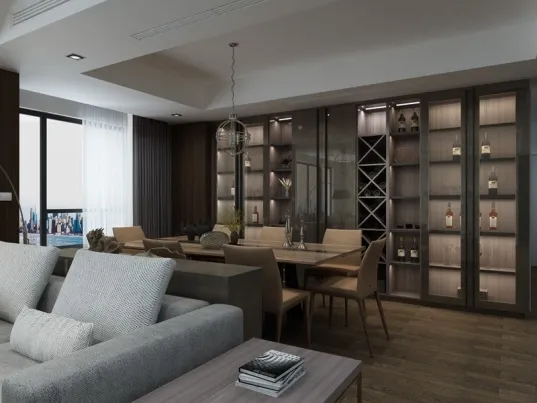
You know that amazing bottle you've been saving for a special occasion? The one you paid good money for, waiting for the perfect moment to pop the cork? Well, here's something you might not realize: That bottle isn't just sitting in your cabinet—it's actually still changing, breathing, and evolving. And whether it becomes magnificent or mediocre depends entirely on its environment.
That's where temperature-controlled wine cabinets come in—they're like personal nurseries for your liquid investments. Unlike regular fridges or coolers, these specialized units don't just chill your wine; they create a perfect microclimate tailored to the unique needs of each bottle. But how exactly do they work their magic? What transforms a simple cabinet into a wine sanctuary?
Think about it this way: Wine is a living thing. The chemical reactions inside your bottle of Cabernet never really stop—they just slow down in the right environment or speed up in the wrong one. Temperature-controlled cabinets manage this delicate chemistry with precision, creating conditions where wines evolve gracefully rather than rushing toward their peak or collapsing past it.
The Three Essentials: Temperature, Humidity, Light Control
Precision Temperature: The Maestro of Maturation
The ideal storage temperature—usually
55°F (13°C)
—is like the perfect tempo for a symphony. Too fast (warm) and the wine ages prematurely, losing complexity. Too slow (cold) and maturation grinds to a halt. Quality cabinets maintain this balance within a
±1°F margin
, using either compressor or thermoelectric cooling systems.
But temperature isn't just about the number—it's about consistency. Normal refrigerators swing 20°F with each cooling cycle. Wine-specific cabinets ensure minimal fluctuation , because each oscillation stresses the wine like repeated temperature shocks to a human body.
Humidity: The Silent Guardian
While temperature gets all the attention, humidity is the unsung hero. Corks need
50-70% humidity
to stay pliable and sealed. Too dry? The cork shrinks, letting in oxygen—that sneaky thief that steals flavor and color. Too moist? Mold creeps in, bringing musty aromas with it. Advanced cabinets use
passive humidity systems
and precise insulation to maintain this balance without messy water reservoirs.
The Invisible Threat: Ultraviolet Light
Why are fine wine bottles tinted dark green? It's nature's UV protection. Light degrades wine as surely as heat does—it breaks down complex molecules, creating "off" flavors resembling wet cardboard. High-end cabinets feature
UV-resistant glass
that filters out destructive rays while showcasing your collection beautifully.
Beyond the Basics: Advanced Preservation Technologies
Vibration: The Silent Wine Killer
Ever wonder why wine bottles rest horizontally? It's not just space-saving—it keeps the cork wet and creates a calm environment for sediment. Vibration disturbs this peaceful settling, disrupting delicate aging processes. Premium cabinets use
suspension systems
and specialized compressors that create less vibration than a resting heartbeat.
Dual-Zone Sophistication
Different wines need different environments. Cabernet prefers 65°F but Champagne thrives at 45°F. Advanced cabinets offer
dual-zone control
within the same unit—like having two separate cellars in one footprint. You control each zone separately, maintaining whites and reds at their ideal temperatures simultaneously.
| Feature | Regular Fridge | Wine Cooler | Wine Cabinet |
|---|---|---|---|
| Temperature Precision | ±10-15°F fluctuation | ±3-5°F fluctuation | ±1°F fluctuation |
| Humidity Control | Dry (20-30%) | Basic (often too low) | Optimized (55-65%) |
| UV Protection | None | Varies | UV-resistant glass |
| Vibration | High (compressor noise) | Medium | Near-zero |
The Science of Slow Aging: Why Precision Matters
Inside every wine bottle, complex chemical reactions unfold like a slow ballet:
- Tannins polymerize : That harshness in young wine? It gradually softens as molecules link together, creating velvety textures.
- Aromas develop : Simple fruit scents evolve into sophisticated layers—dried herbs, leather, earth.
- Phenolics evolve : Compounds that affect color and structure morph over time, transforming ruby young wine into garnet maturity.
Heat speeds reactions unpredictably—imagine accelerating a symphony to double tempo. Cold stalls them entirely. Precision cabinets create the perfect rhythm, letting each bottle reach its potential like an artist perfecting a masterpiece.
Beyond Preservation: Showcasing Your Collection
Modern wine cabinets have evolved far beyond utilitarian storage:
Smart Technology Integration
Remote monitoring apps alert you if temperatures shift—even across an ocean. Automatic defrost cycles prevent ice buildup without temperature spikes. Digital logs track environmental history for every bottle like medical records.
Design as Art
Your wine collection deserves display, not just storage. Contemporary cabinets feature seamless integration with living spaces:
- Built-in models disappear into kitchen walls
- Freestanding designs become room centerpieces
- Commercial units create visual impact in restaurants
Real-Life Mistakes: What to Avoid
Even seasoned collectors make storage mistakes:
The Overzealous AC : Placing cabinets near heating/cooling vents creates temperature rollercoasters. Wine hates surprises.
The Forgotten Bottle : Storing bottles upright long-term dries corks out, ruining the seal. Cabinets with proper racks prevent this.
Kitchen Compromise : Positioning wine near stoves/dishwashers exposes it to damaging heat and vibration waves.
Humidity Neglect : Assuming "cool = good enough" ignores moisture needs. Real cabinets balance both.
Long-Term Preservation: The Ultimate Insurance Policy
Consider temperature-controlled cabinets not as appliances but as long-term preservation systems . They safeguard:
- Investment Value : Properly stored wine maintains provenance and price tags
- Sentimental Significance : That bottle saved for a child's wedding stays perfect
- Liquid History : Aging wine captures a specific moment in time like no other beverage
When selecting your cabinet (considering one like the Wine Guardian units), focus on these essentials:
- Capacity : Not just current needs, but anticipated collection growth
- Cooling Type : Thermoelectric for quietness or compressor for larger units
- Security : Locking systems protect your treasures
- Zone Flexibility : Especially important for diverse collections
Conclusion: Your Bottles Deserve Better Than Basic
Wine isn't just another beverage—it's crafted art, agricultural science, and bottled emotion. Just as you wouldn't store paintings in damp basements or musical instruments in saunas, your wine deserves specialized care.
Temperature-controlled cabinets do more than preserve wine—they honor the winemaker's craft, shepherd your collection's evolution, and ultimately ensure that when you finally pour that special bottle, it tells its full story with every extraordinary sip.
By understanding and implementing these principles—temperature precision, humidity balance, vibration control, and proper layout—you transform a simple storage device into a cradle of vinous perfection. It's the silent guardian standing between potential and disappointment—and the best investment a true wine lover can make.










