
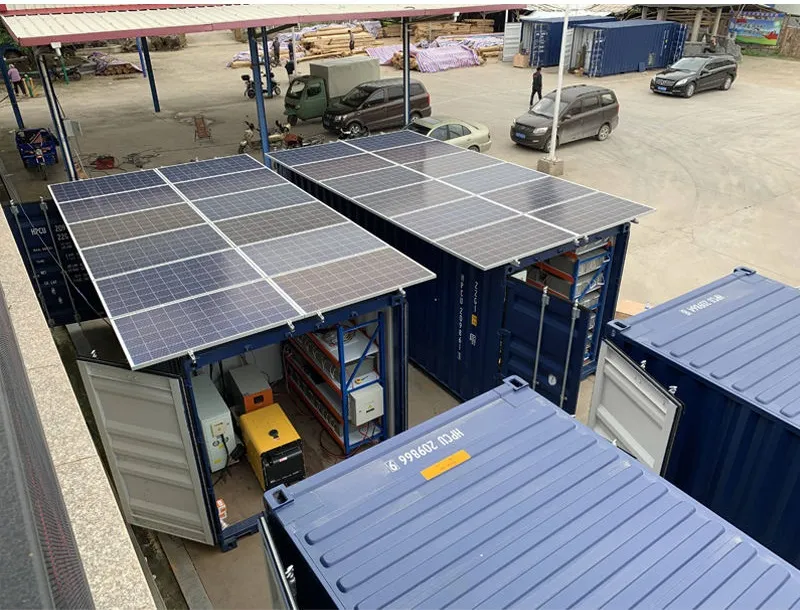
More schools around the world are turning to solar energy, and the question that comes up again and again is how a school project actually differs from a standard commercial installation. At first glance the two look almost identical — the same panels, the same inverters, the same rooftop mounting rails. But once you look at how the building is used, how the project is financed, and what regulations apply, the two start to diverge in ways that matter for budgeting, design, and long-term returns.
A standard commercial installation is usually sized to the roof of a warehouse, office block, or retail unit, and often runs from a few hundred kilowatts up to several megawatts on a single site. A school project, by contrast, is typically smaller and more fragmented. A single campus might host a 30–50 kW array on the main teaching block, a smaller system on the gymnasium roof, and perhaps a carport canopy over the parking lot. Instead of one large, uniform array, schools usually end up with several medium-sized systems spread across different buildings — each with its own roof type, orientation, and structural limits.
That fragmentation changes how the project is designed and priced. Every roof needs its own survey, its own mounting solution, and its own electrical connection, so the engineering effort per kilowatt is often higher than on a clean, single commercial roof.
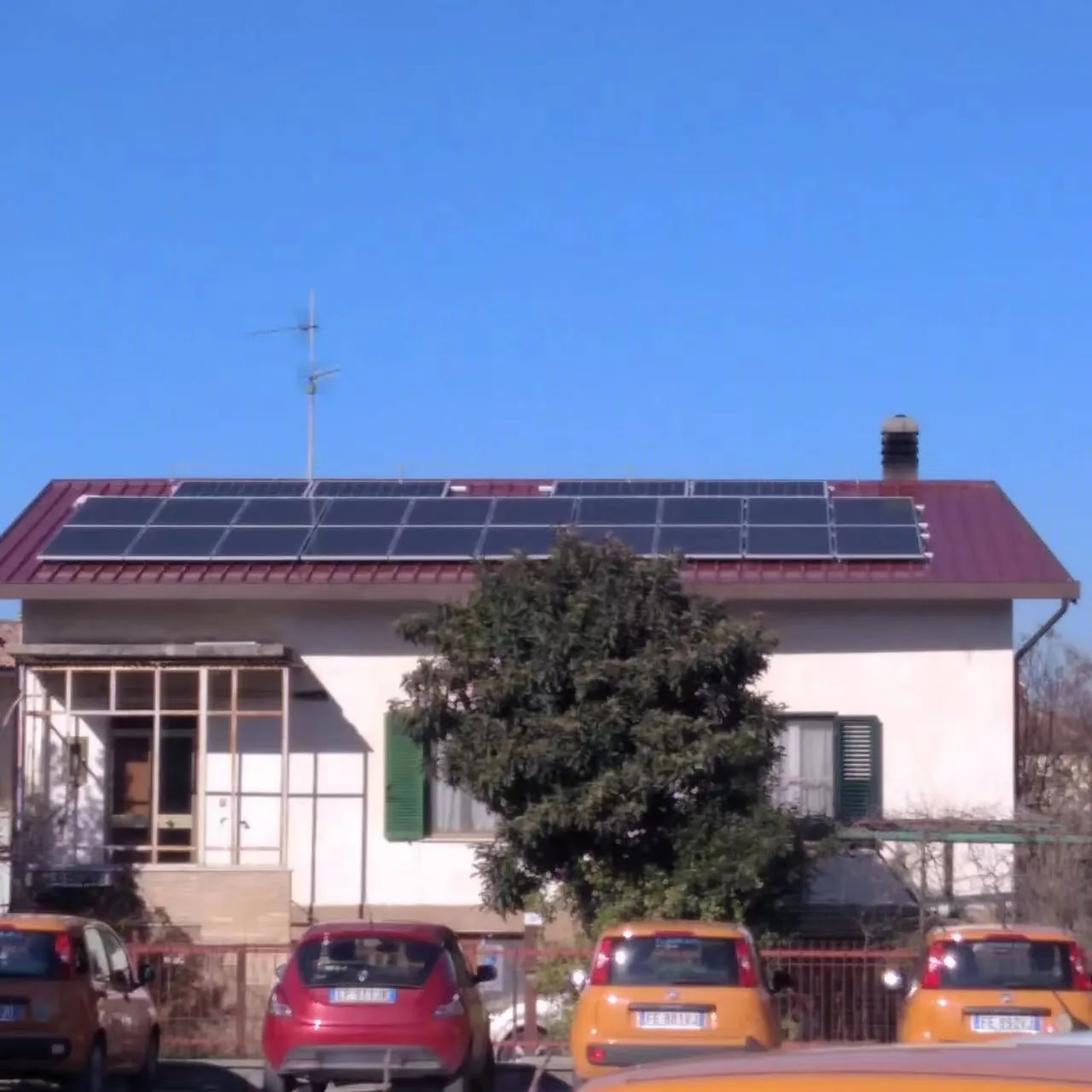
This is the single biggest difference between the two. A school is occupied mainly between early morning and mid-afternoon, which is exactly when solar generation peaks. Classrooms, IT suites, kitchens, and lighting are all running during daylight hours, so a high share of what the panels generate is consumed on-site. Commercial buildings, in contrast, often have erratic or evening-heavy demand — offices empty out after five o'clock, warehouses run on night shifts, and retail peaks on weekends.
For a school, that daytime alignment means a large share of the electricity generated is used directly rather than exported, and self-consumption is what makes the economics work. It also makes savings forecasts more reliable than for a commercial building with unpredictable hours, which is one reason schools are such a good fit for solar panels for schools.
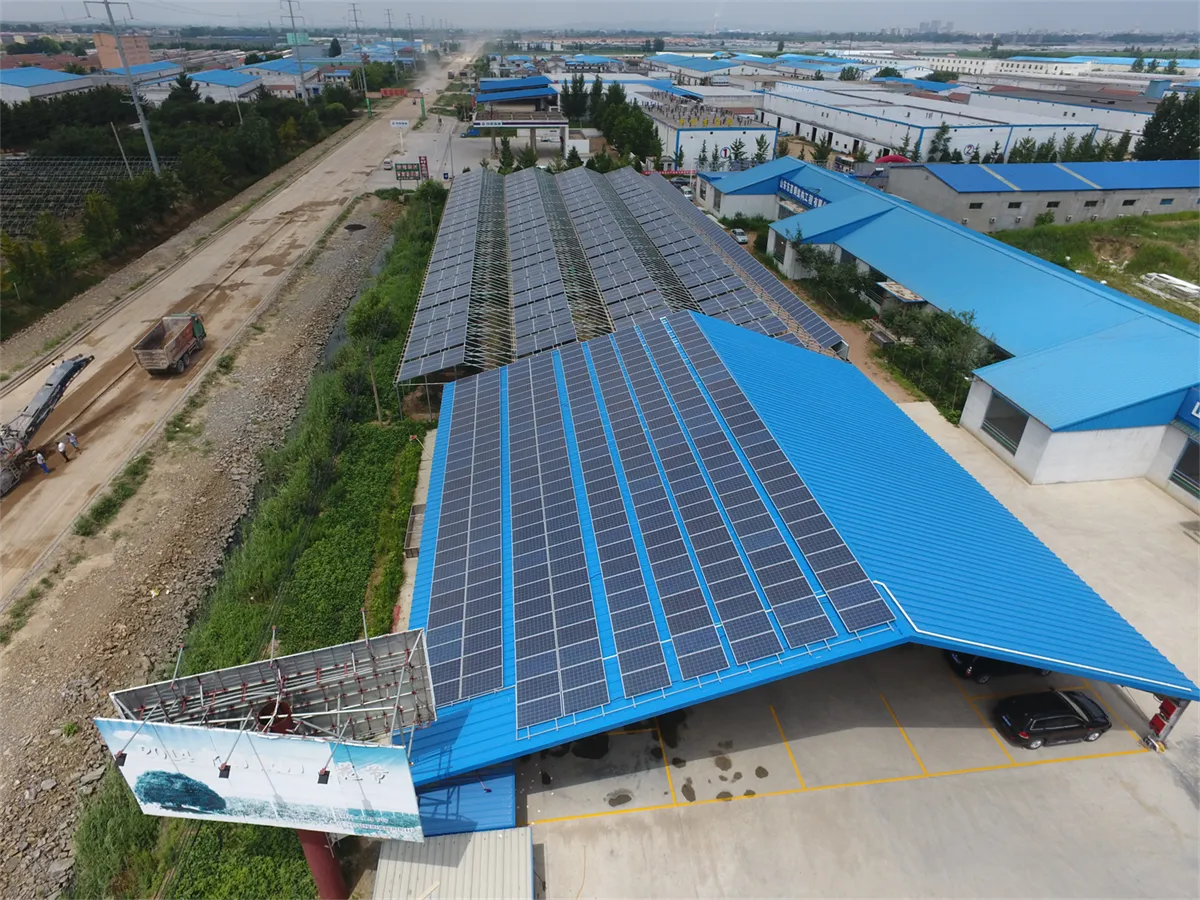
On a per-watt basis, school and commercial solar projects land in a similar range once you account for panels, inverters, mounting, and installation. The differences show up in the details. School sites are occupied and often have children present, so scaffolding, access, and safety measures can add a meaningful premium. Older school buildings may need distribution board upgrades before a larger array can be connected. And because schools are public or institutional buildings, the procurement process is often more formal — tenders, framework agreements, and longer approval timelines all add cost and lead time that a private commercial project simply does not carry.
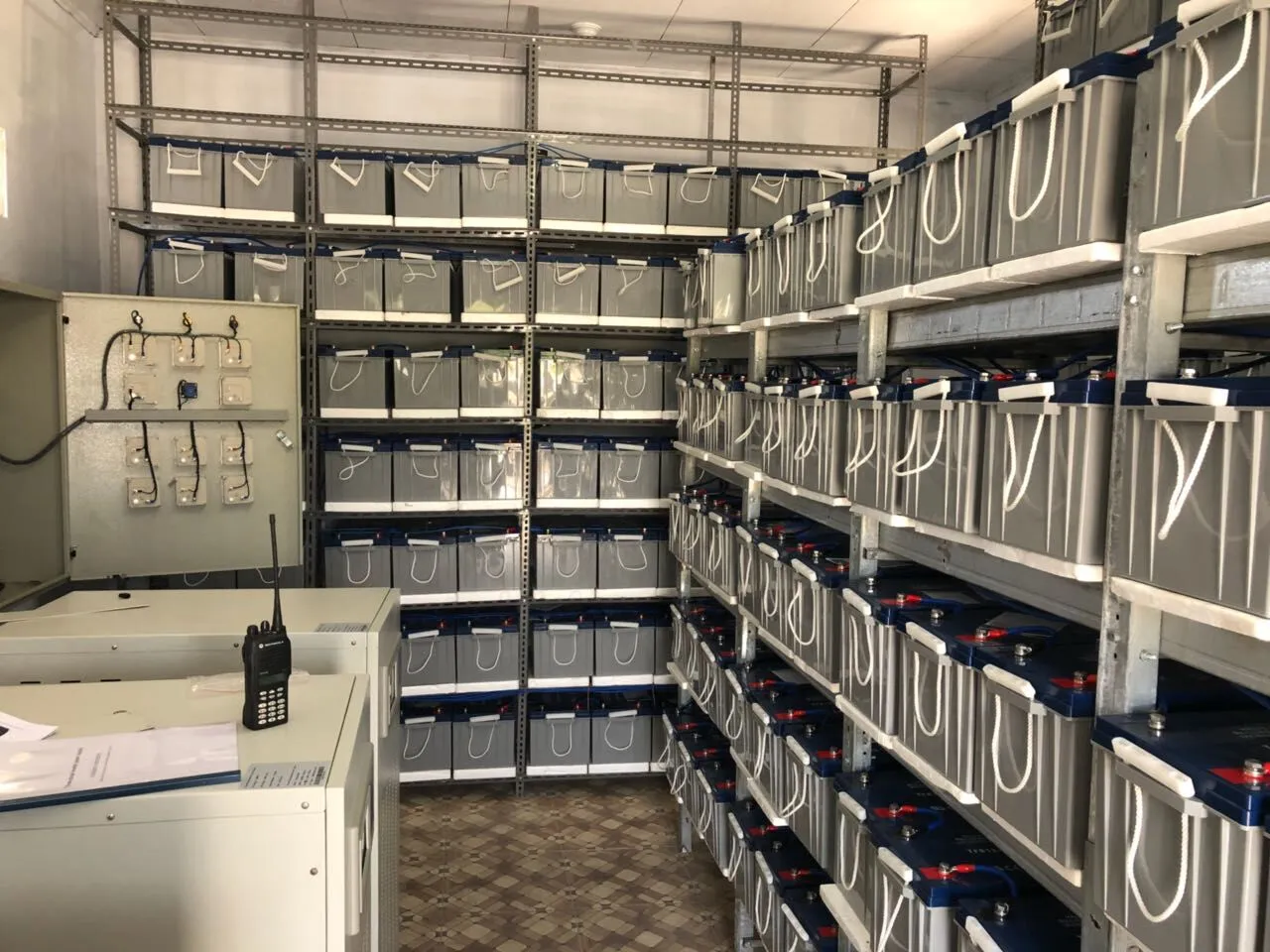
Schools are held to a higher safety standard than most commercial buildings. In many countries, educational buildings are classified in a higher structural risk category because they serve large numbers of occupants and may double as emergency shelters. That translates into higher design wind and snow loads, heavier structural sections, and more rigorous engineering review. The practical result is that a school rooftop system often needs more ballast, stronger fasteners, and more detailed structural calculations than a comparable commercial warehouse roof.
Non-penetrating ballasted systems are a common choice on school roofs precisely because they avoid puncturing the membrane and protect the waterproofing warranty — a priority for any institution that plans to own the building for decades.
Commercial solar typically goes through the local building department. School solar adds another layer: state or national education authorities often require their own plan review, and the documentation standard is higher. This can add time to the approval process, so schools and their suppliers should plan for it from the start. Working with a supplier experienced in institutional projects makes a real difference here, because the paperwork is rarely something a first-time installer anticipates.
This is where school projects are genuinely different from commercial ones. A business installs solar to cut operating costs and improve its bottom line, and it can usually fund the project from capital reserves or conventional borrowing. A school has the same motivation but rarely the same budget. Instead, schools commonly use interest-free government loans, energy-efficiency funding schemes, power purchase agreements — where a developer owns the system and the school buys the power at a fixed rate — or bond-funded capital programs.
These routes change the shape of the project. A power purchase agreement, for example, means little or no upfront cost but a different long-term structure, while direct ownership delivers the largest lifetime savings but requires financing and a commitment to maintenance over 20 years or more.
Because schools consume so much power during daylight hours, payback periods tend to be attractive — often in the range of six to ten years for a well-specified system — against a panel lifespan of 25 years or more. That leaves a long tail of nearly free electricity. For a school, the savings are not profit; they are budget relief that can be redirected to teaching resources, staff, and facilities. For a commercial operator, the same savings flow straight to the bottom line. Both are compelling, but the story they tell to decision-makers is different.
Commercial installations generate electricity. School installations do that too, but they also generate learning. A visible array, a live production dashboard, and a curriculum that uses real energy data turn the solar system into a STEM teaching tool. Students see the connection between energy, technology, and sustainability every day. It is a benefit that has no commercial equivalent, and it is often the factor that wins over a school board.
Whether the project is a school rooftop or a commercial facility, the fundamentals are the same: quality panels, reliable inverters, proper mounting, and honest engineering. What differs is the experience of the supplier. A partner that understands institutional requirements — structural review, procurement, safety on occupied sites — will save a school both time and money. As a solar panel supplier, COLORIA GROUP also provides a full range of building materials, and works with clients across residential, commercial, and institutional projects, with an overseas agent in Saudi Arabia and decades of industry experience behind every shipment.
School and commercial solar projects share the same technology but live in different worlds of scale, usage, regulation, and finance. The good news is that the fundamentals — good panels, good design, good installation — are identical. Schools just need a partner who understands the institutional side of the equation. With the right system and the right supplier, a school can cut its energy bills, free up budget for education, and put renewable energy at the heart of the curriculum — while commercial operators get the same technology working for their bottom line. If you are planning either type of project, talk to a commercial solar panels supplier who can guide you through the differences before you commit.
Recommend Products












