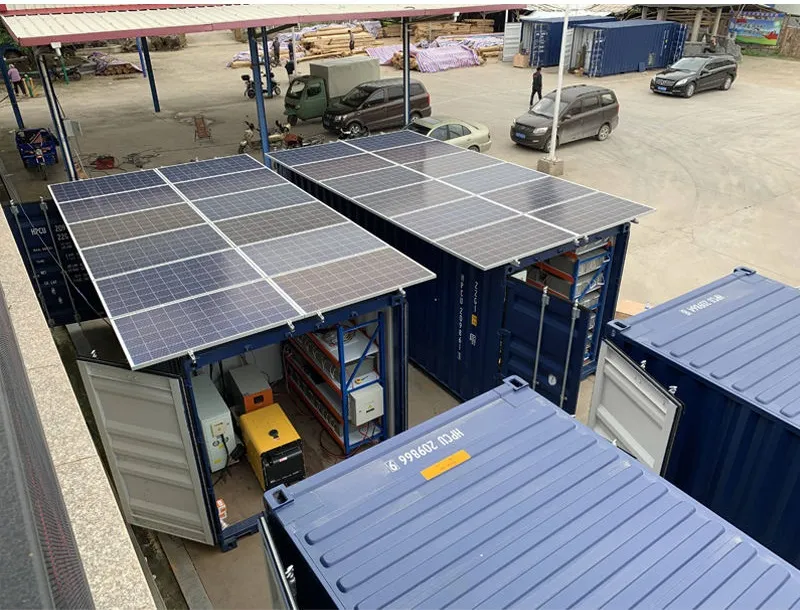
Hey there! If you're reading this, you've probably asked yourself how those sleek panels on rooftops actually turn sunshine into power for homes. It's not exactly magic, but it’s just as amazing. You know, understanding this technology is more important than ever as renewable energy becomes central to our
residential and commercial building materials
future. We'll walk through every step in plain English – no PhD required.
Picture
solar panels like tiny sunlight traps. They're made from special materials called semiconductors (usually silicon – same stuff in your smartphone), designed to get excited when photons (light particles) hit them. Think of photons like ping-pong balls zipping through space. When they strike a solar cell, they jolt electrons loose from atoms. This creates electron "gaps" and free electrons – opposites that naturally want to reunite.
Here's where the engineering genius kicks in: each cell has two silicon layers creating an electric field. The top layer (N-type) has extra electrons, while the bottom layer (P-type) has extra "gaps." This imbalance creates voltage, sort of like having a hill electrons can roll down. When photons create those free electrons and gaps, the electric field pushes them in opposite directions. That movement? That's electricity being born.
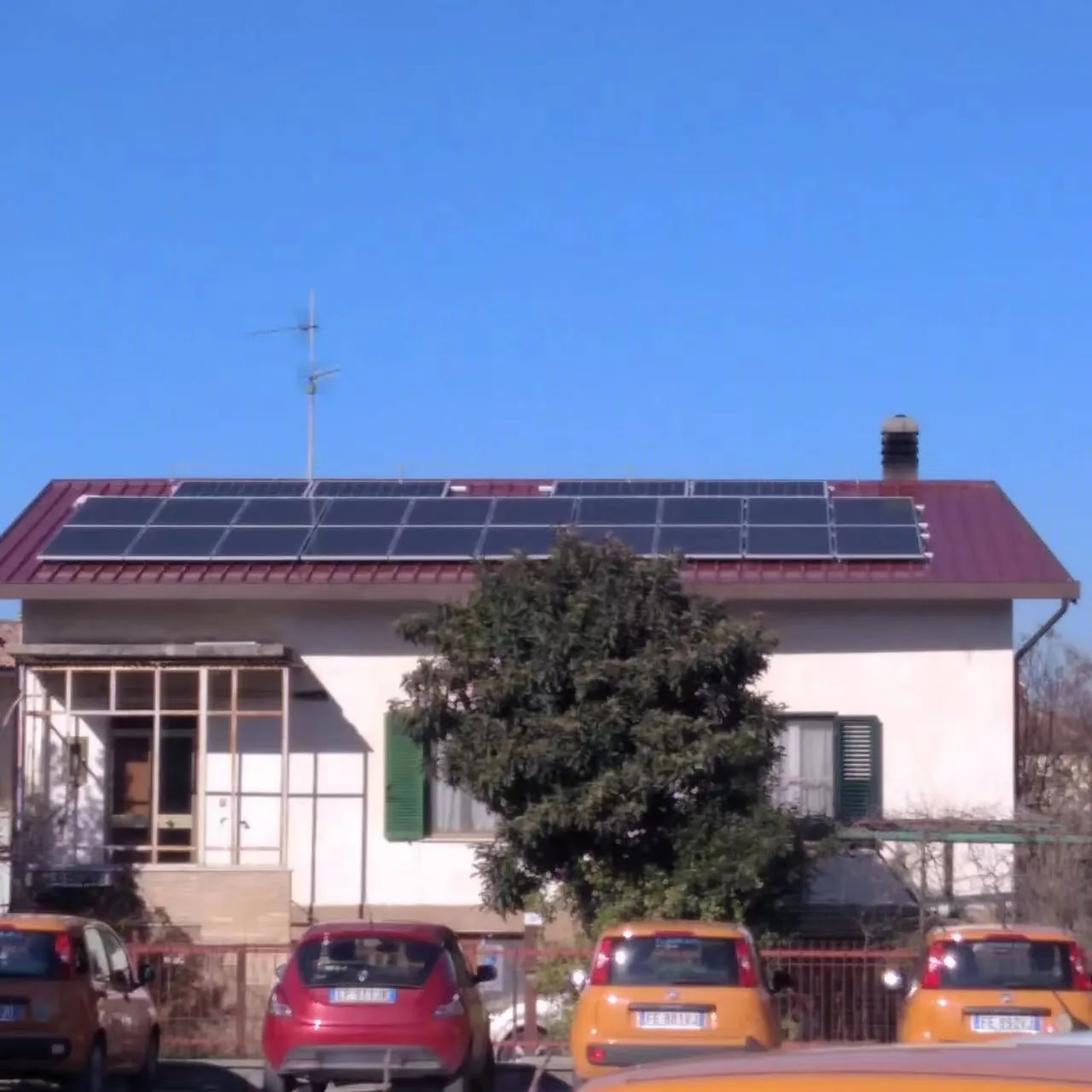
So the cells generate direct current (DC) electricity – the same kind batteries produce. But homes use alternating current (AC). That's where the inverter enters the story. This handy box converts DC into usable AC power by rapidly switching the current direction. Modern microinverters attach directly to panels instead of one big central unit, boosting efficiency by up to 25% when trees or clouds cause partial shading.
Here's what a full home system does with the electricity:
-
Immediate use
– Powers your fridge, phone charger, and AC the moment it’s generated
-
Battery storage
– Excess energy charges backup batteries like Tesla Powerwall for night use
-
Feeding the grid
– Surplus electricity flows back to power lines, spinning your meter backward (net metering)
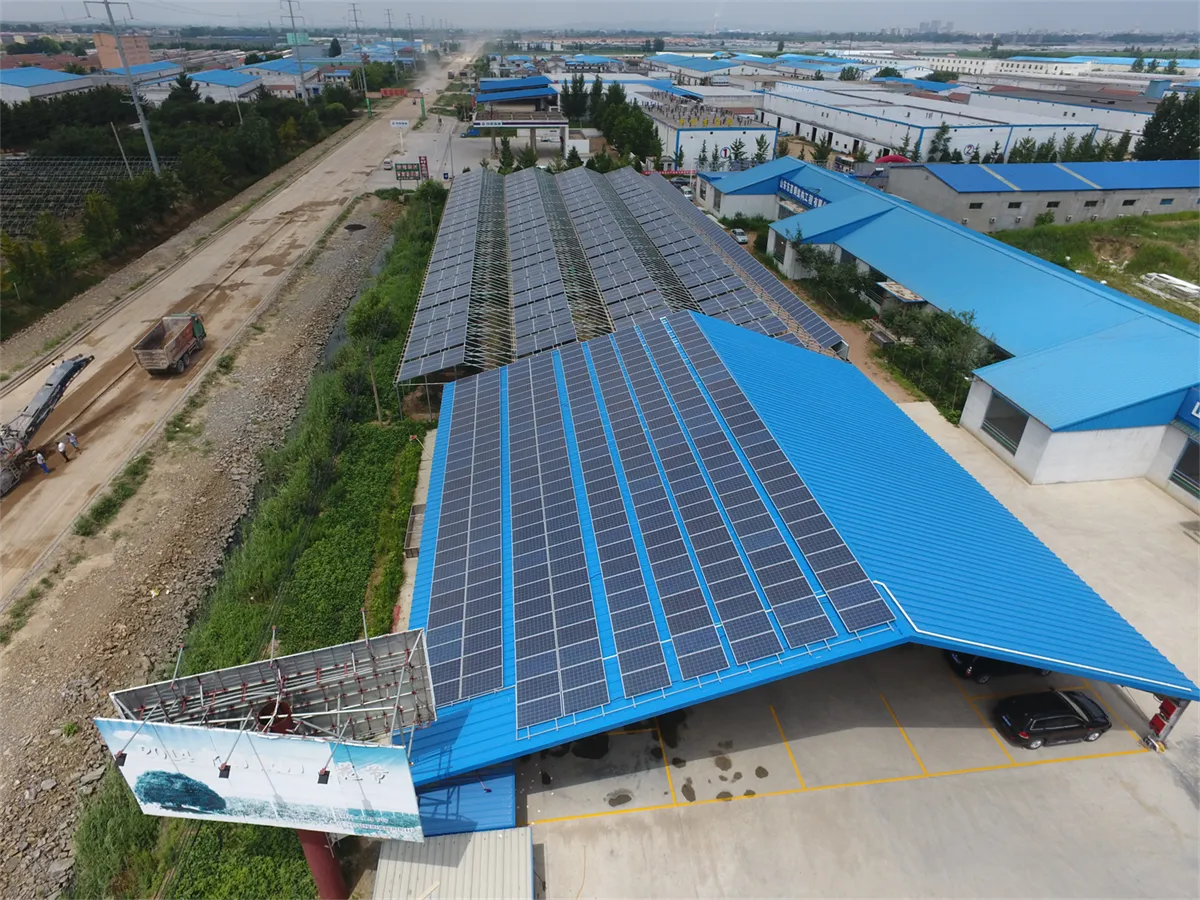
Not all panels work the same! Like how cars come in different models, solar tech has evolved through three main generations:
Monocrystalline panels
(black appearance) are cut from single silicon crystals – efficient (20%+) but pricier. They're ideal when space is limited.
Polycrystalline panels
(blue speckled) use melted silicon fragments. Slightly less efficient (15-17%) but more affordable, they work great for rooftops.
Thin-film panels
deposit ultra-thin photovoltaic layers on surfaces. Flexible and lightweight, they're perfect for curved roofs but need more space.
Emerging tech includes perovskites (promising higher efficiency at lower cost) and bifacial panels absorbing reflected light from underneath. Imagine panels capturing sunlight bouncing off snow or sand – talk about clever!
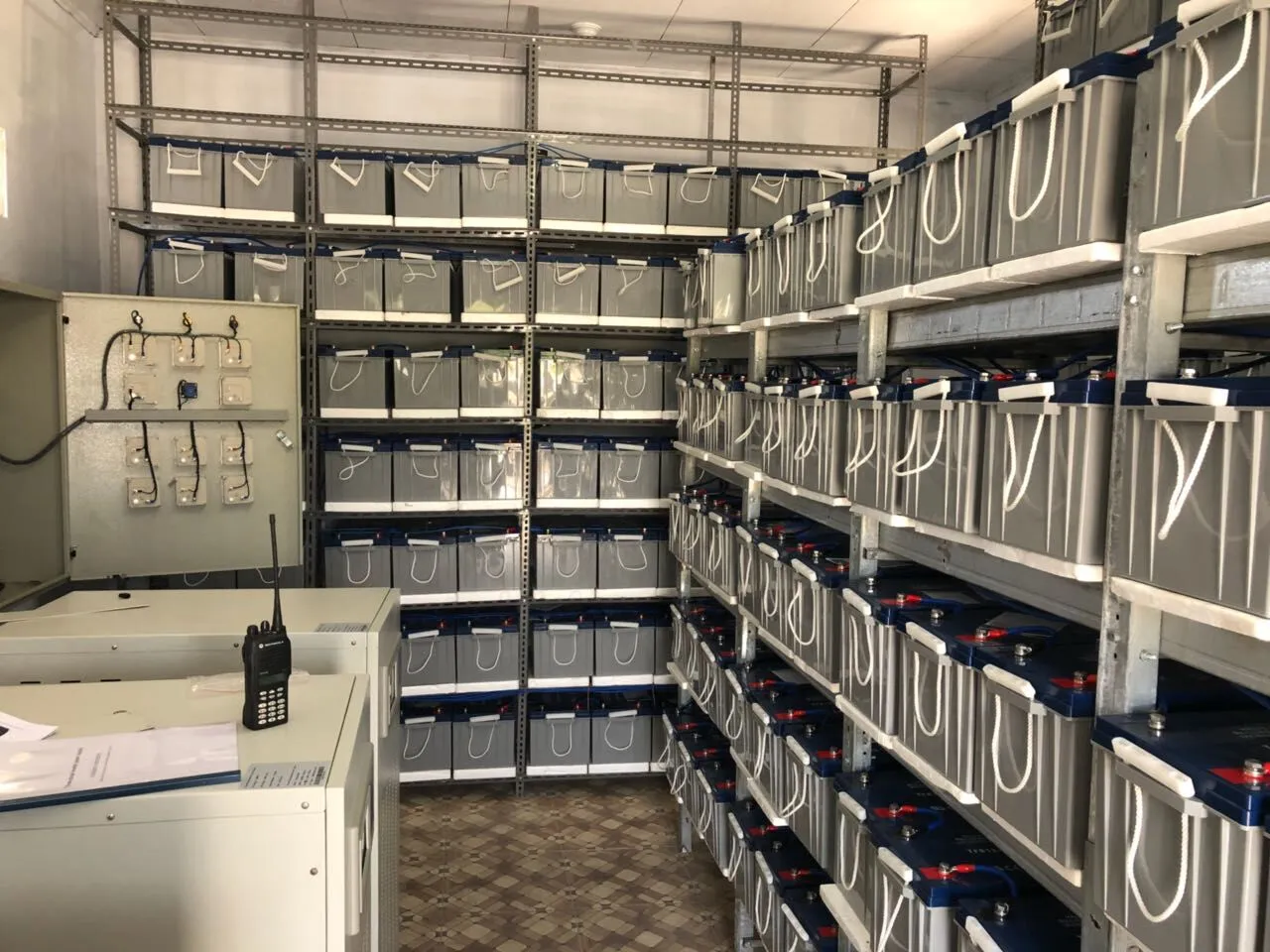
The process isn’t just slapping panels on a roof. Professionals assess your site’s potential like doctors checking vitals:
-
Sun exposure analysis
– Using tools like Google Project Sunroof to calculate yearly sunlight hours
-
Roof integrity check
– Ensuring rafters support panel weight (≈4 lbs/sq ft)
-
Electrical upgrade review
– Older homes may need panel upgrades before connecting
The physical setup involves mounting racks angled toward the sun's path (≈30-45° tilt in most US regions). Wiring runs through conduits to your main service panel via rapid shutdown switches that automatically cut power during fires.
Think panels need constant babysitting? Actually, they’re pretty low maintenance. Rain naturally cleans most dust and pollen. Snow slides off angled installations. Annual checks look for:
-
Tree growth causing shade
-
Critters nesting under panels
-
Monitoring software alerts for output drops
Expect 25+ years of service with gradual efficiency loss (≈0.5% annually). That’s like your car lasting over 100,000 miles!
Sun-Powered Future
So there you have it – sunshine transformed into clean electricity through physics, materials science, and smart engineering. With
solar panels becoming more affordable through
china building materials exporter
providers, they’re no longer luxury items. Whether protecting from power outages, cutting bills, or reducing carbon footprints, solar tech gives you control over energy. Pretty great how something so complex can feel beautifully simple, right?
Next time you see those silent panels shimmering under the sun, remember the atomic dance they’re orchestrating. They're not just generating electricity – they're powering hope for a sustainable future.