
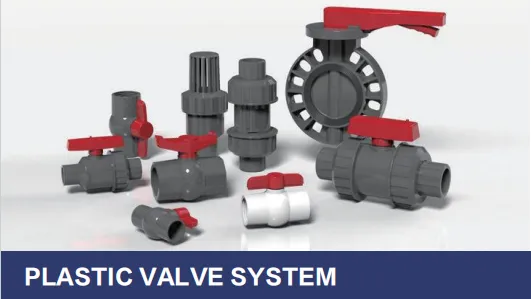
Every time you turn on a kitchen faucet, flush a toilet, or adjust the temperature in your shower, you're relying on a complex system of pipes and valves working seamlessly. At the heart of this system, often overlooked but crucial, are plastic valve systems—quietly regulating flow, preventing backflow, and ensuring safety in everything from residential homes to large commercial buildings. Whether you're a homeowner tackling a renovation, a contractor managing a hospital construction project, or an engineer designing a industrial facility, understanding how these systems work is key to making informed decisions. In this guide, we'll break down the mechanics of plastic valve system solutions, explore their types, applications, and benefits, and highlight why partnering with a trusted plastic valve system supplier matters.
Let's start with the basics: plastic valve system solutions aren't just individual valves sold in a box. They're integrated, end-to-end systems designed to control the flow of liquids or gases in piping networks. Think of them as the "traffic controllers" of plumbing and industrial systems—directing flow, stopping it when needed, and ensuring it moves in the right direction. A reliable plastic valve system supplier doesn't just provide parts; they offer expertise, from system design to installation support, ensuring the solution fits the specific needs of a project. This could mean customizing valve sizes for a high-rise apartment's water supply or selecting corrosion-resistant materials for a chemical plant's waste management system.
These systems combine valves withfittings, seals, and sometimes actuators (the mechanisms that open or close the valve). The "plastic" in the name refers to the materials used—typically PVC (polyvinyl chloride), PPR (polypropylene random copolymer), or CPVC (chlorinated polyvinyl chloride)—chosen for their durability, affordability, and resistance to corrosion. Unlike metal valves, which can rust or degrade over time, plastic valves stand up to harsh environments, making them a staple in modern construction and infrastructure.
To understand how plastic valve systems work, let's break down their core components. Each part plays a unique role in keeping the system running smoothly:
Imagine a residential plumbing system: When you flush a toilet, the flush valve opens, releasing water from the tank into the bowl. Once the tank is empty, a check valve prevents water from flowing back into the supply line, and a ball valve (controlled by a handle) lets you shut off the water to the toilet for repairs. All these components—valve, fittings, seals—work together to make that simple action possible.
Not all valves are created equal. Each type is designed for specific functions, from full-on/full-off control to precise flow adjustment. Let's explore the most common types found in plastic valve system solutions and how they work:
Ball valves are the most recognizable type, with a lever handle that rotates 90 degrees to open or close. Inside, a hollow, spherical "ball" has a hole through its center. When the handle is parallel to the pipe, the hole aligns with the flow path, letting fluid pass through (open). When turned perpendicular, the solid part of the ball blocks the path (closed). They're known for their quick operation—just a quarter-turn—and tight seal, making them ideal for applications where on/off control is needed, like residential water lines or irrigation systems.
Materials matter here: PVC ball valves are common in cold water systems, while PPR ball valves (often paired with ppr pipe and fitting supplier products) are used in hot water lines because PPR can withstand higher temperatures. In commercial settings, like hotels or hospitals, automated ball valves with electric actuators adjust flow based on demand—for example, increasing hot water flow to guest rooms during peak hours.
Gate valves use a flat, rectangular "gate" that slides up and down to open or close the flow path. They're operated with a wheel handle that, when turned, raises or lowers the gate via a threaded stem. Unlike ball valves, gate valves are slow to operate—you might need to turn the handle several times to fully open or close them—but they offer minimal resistance when fully open, allowing maximum flow. This makes them popular in main water lines, fire sprinkler systems, and pvc dwv pipe solutions (drain-waste-vent systems), where unobstructed flow is critical for removing wastewater.
One thing to note: Gate valves aren't great for partial flow control (throttling). If left partially open, the high-velocity fluid can erode the gate over time, leading to leaks. A reputable pvc dwv pipe supplier will often recommend gate valves for isolation purposes—like shutting off a section of the drain line during repairs—rather than for regular flow adjustment.
Check valves are the "one-way streets" of plumbing systems. They allow fluid to flow in one direction only, preventing backflow that could contaminate clean water supplies or damage equipment. Inside, a spring-loaded disc, flapper, or ball is pushed open by forward flow; when flow reverses, the disc slams shut, blocking the path.
You'll find check valves in sump pumps (to prevent water from flowing back into the basement), hot water heaters (to stop cold water from mixing with hot), and sewage systems. In hospitals, where water quality is critical, check valves are paired with other safety features to ensure no contaminated water flows back into the clean supply—a detail that top plastic valve system solutions providers prioritize in their designs.
Butterfly valves have a circular "disc" (shaped like a butterfly wing) mounted on a central shaft. When the handle is turned, the disc rotates 90 degrees—parallel to the flow path for open, perpendicular for closed. They're lightweight, compact, and affordable, making them ideal for large-diameter pipes, like those in industrial cooling systems or wastewater treatment plants. Plastic butterfly valves are often used in low-pressure applications, such as moving rainwater or non-corrosive chemicals.
Globe valves use a plug-shaped disc that moves up and down to control flow. They're similar to gate valves in operation (wheel handle, threaded stem) but have a curved flow path that creates more resistance, allowing for precise throttling. This makes them perfect for systems where flow rate needs to be adjusted carefully, like in HVAC systems (controlling hot/cold water flow to radiators) or laboratory equipment (regulating chemical flow).
While globe valves are less common in residential settings due to their higher cost and pressure drop, they're indispensable in commercial and industrial applications where accuracy matters. For example, a pharmaceutical plant might use CPVC globe valves to precisely control the flow of purified water during drug manufacturing.
To see these components in action, let's walk through a typical scenario: a three-story apartment building. The building's plumbing system relies on plastic valve systems to deliver water to each unit and remove wastewater safely.
Water Supply: The main water line enters the building and splits into hot and cold lines. A large gate valve isolates the entire building's water supply for maintenance. Each floor has a ball valve to shut off water to that level, and each unit has individual ball valves under sinks and behind toilets for repairs. PPR pipes (from a ppr pipe and fitting supplier ) carry hot water, with PPR ball valves controlling flow to showers and faucets—their heat resistance ensures they won't warp over time.
Wastewater Removal: Each unit's drains connect to a pvc dwv pipe system . Under sinks, P-trap assemblies include check valves to prevent sewer gases from entering the unit. The main drain line uses gate valves to isolate sections during clogs or repairs, and a larger check valve at the building's exit prevents municipal sewer backflow during heavy rains.
HVAC Systems: The building's heating system uses globe valves to adjust hot water flow to radiators in each unit, ensuring consistent temperatures. Butterfly valves in the cooling system regulate chilled water flow to air conditioning units, adjusting based on thermostat readings.
In this setup, every valve type has a specific job, and the system as a whole relies on their coordination. A failure in one valve—say, a check valve sticking open—could lead to sewer gas in units or backflow into the water supply. That's why choosing a reliable plastic valve system supplier is critical: they ensure each component is tested, compatible, and installed correctly, preventing costly issues down the line.
Plastic valve systems have largely replaced metal valves in many applications, and for good reason. Here's why plastic is the material of choice for modern valve systems:
Of course, not all plastics are the same. PVC is great for cold water and drain lines, PPR for hot water, and CPVC for high-temperature or chemical applications. A knowledgeable plastic valve system solutions provider will help you select the right material based on factors like fluid type, temperature, pressure, and environmental conditions.
With so many options available, selecting a plastic valve system supplier can feel overwhelming. Here are key factors to consider to ensure you're getting a quality solution:
Whether you're a contractor working on a commercial project or a homeowner doing a kitchen renovation, partnering with the right supplier ensures you get a plastic valve system that's reliable, efficient, and built to last.
Even the best plastic valve systems need a little care to stay in top shape. Here are simple maintenance tips to extend their lifespan:
By following these tips, you can ensure your plastic valve system operates efficiently for decades—saving money on repairs and avoiding costly downtime.
| Valve Type | Mechanism | Best For | Materials | Pros | Cons |
|---|---|---|---|---|---|
| Ball Valve | Rotating spherical disc with hole | On/off control, residential water lines, irrigation | PVC, PPR, CPVC | Quick operation, tight seal, low maintenance | Not ideal for throttling flow |
| Gate Valve | Sliding gate (up/down) | Main water lines, DWV systems, isolation | PVC, CPVC | Full flow when open, minimal resistance | Slow to operate, poor for throttling |
| Check Valve | One-way disc/flapper (spring-loaded) | Preventing backflow, sump pumps, DWV systems | PVC, PPR, CPVC | Automatic operation, protects against backflow | May cause pressure drop, can stick if debris is present |
| Globe Valve | Plug-shaped disc (up/down) | Precise throttling, HVAC systems, laboratories | CPVC, PPR | Good for throttling, accurate flow control | Higher pressure drop, more expensive |
Plastic valve systems may not be the most glamorous part of construction or plumbing, but they're undeniably essential. From the moment you wake up and turn on the shower to the time you flush the toilet at night, these systems work behind the scenes to keep our homes, offices, schools, and hospitals running smoothly. They're durable, cost-effective, and versatile—qualities that make them the backbone of modern infrastructure.
Whether you're planning a small renovation or a large commercial project, understanding how plastic valve systems work and partnering with a reliable plastic valve system supplier is key. By choosing the right valves, materials, and components, you can ensure your system is efficient, safe, and built to last for decades.
So the next time you turn on a faucet or flush a toilet, take a moment to appreciate the quiet work of plastic valve systems—they're the unsung heroes keeping our world flowing.
Recommend Products












