
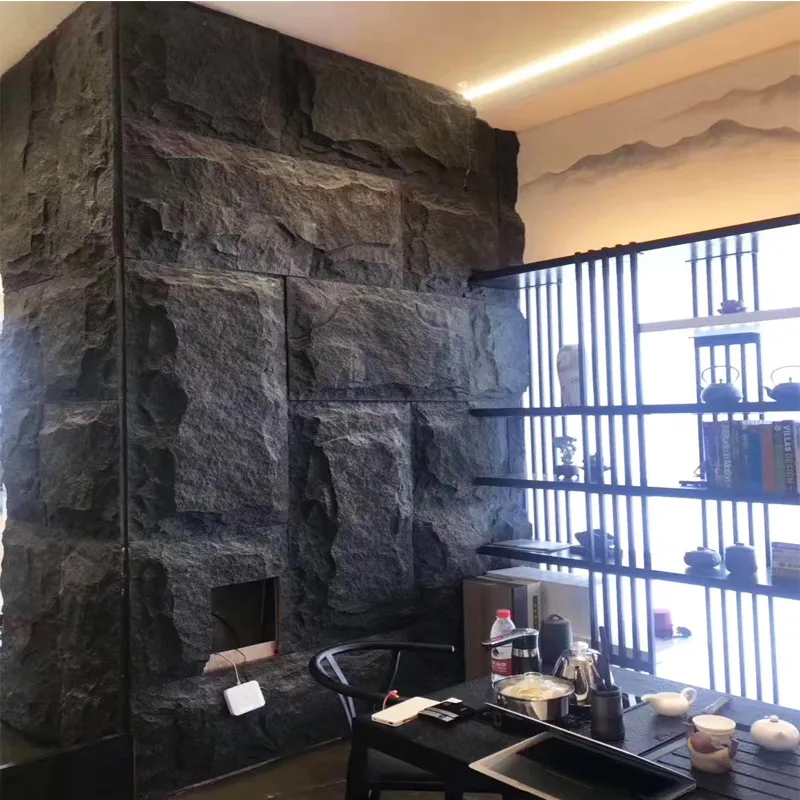
When designing an exterior or interior wall, the choice of stone cladding can define the entire character of a space. Among the many options available, mushroom stone and rectangular stone veneers stand out as two popular choices — each bringing a distinct visual personality. But how do they actually compare in terms of visual appeal, and which one suits your project best? This article breaks down the key differences to help you make an informed decision.
Mushroom stone is a type of natural stone cladding named for its distinctive protruding surface that resembles the cap of a mushroom. Each piece features an uneven, multi-level face with pronounced depth and shadow play. Typically crafted from slate or granite, mushroom stone is hand-chiseled or mechanically processed to create its signature three-dimensional texture. No two pieces are exactly alike, which gives every installation a unique, handcrafted character.
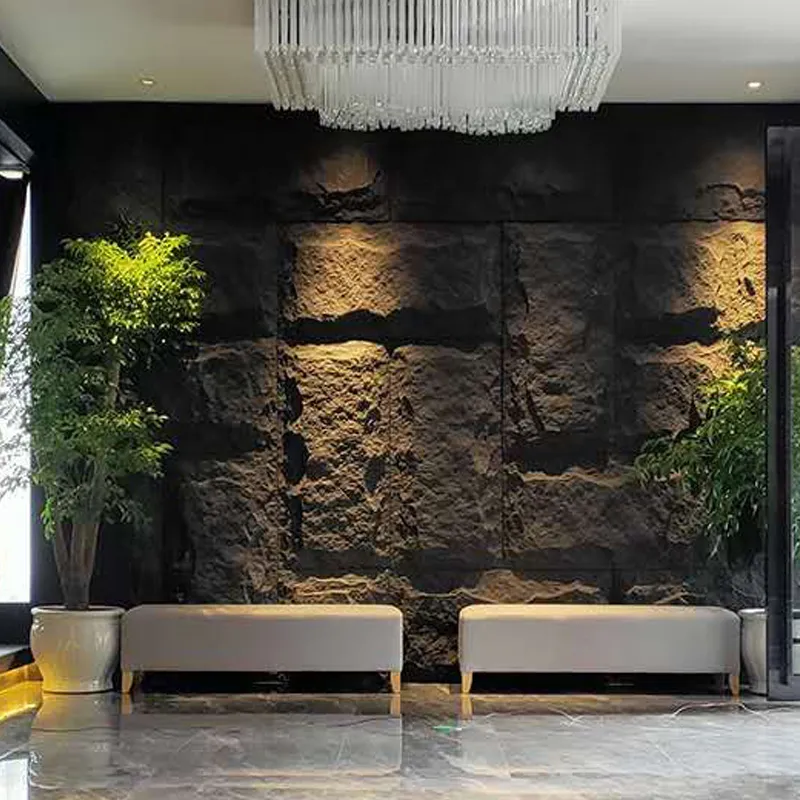
The visual effect of mushroom stone is bold and dramatic. When sunlight or artificial light hits the uneven surface, it creates a dynamic interplay of light and shadow that changes throughout the day. This makes mushroom stone particularly effective for exterior decoration materials where the facade is meant to command attention and convey a sense of timeless solidity.
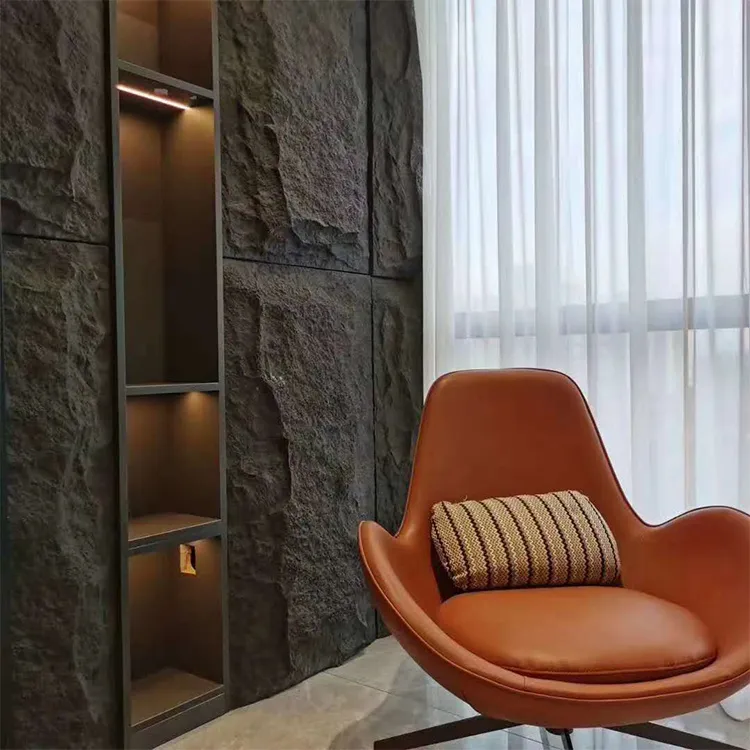
Rectangular stone veneers consist of precisely cut, block-shaped pieces with clean edges and uniform dimensions. They are typically available in heights ranging from 4 to 12 inches and lengths up to 24 inches. The face can be split-face for a rugged texture or smooth for a more refined look. This geometric precision gives rectangular veneers a structured, orderly appearance that reads as intentional and architectural.
The visual appeal of rectangular stone lies in its balance and rhythm. The repeating pattern of horizontal and vertical lines creates a sense of stability and strength. Because the pieces are uniform, the overall look is cohesive and controlled — ideal for projects where the stone should complement rather than dominate the surrounding design elements.
| Aspect | Mushroom Stone | Rectangular Stone Veneer |
|---|---|---|
| Texture & Depth | Highly three-dimensional; each piece has varied protrusion heights creating rich shadow effects | Moderate depth; split-face options offer texture, but the overall plane remains relatively flat |
| Pattern & Rhythm | Irregular and organic; no two installations look exactly the same | Consistent and geometric; clean horizontal and vertical lines create visual order |
| Light Interaction | Dynamic light-and-shadow play that shifts with the angle of natural light | Even light distribution; shadows are subtle and limited to mortar joints |
| Architectural Style | Best suited for rustic, Mediterranean, traditional, and nature-inspired designs | Adaptable to modern, industrial, minimalist, and formal traditional styles |
| Perceived Scale | Bold and commanding; draws the eye and becomes a focal point | Structured and balanced; integrates smoothly into the overall design |
| Color Variation | Natural stone tones — grays, greens, browns, rust — with significant variation between pieces | More uniform color distribution; easier to achieve a consistent palette |
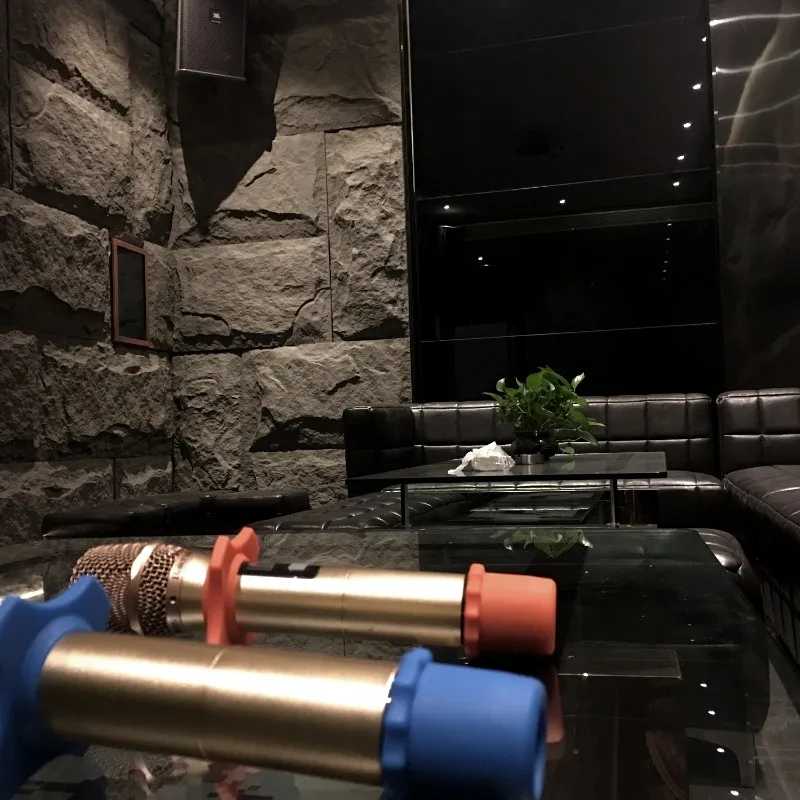
Mushroom stone excels in settings where the wall itself is meant to be a statement piece. It is particularly effective on:
For projects that demand standout architectural façade solutions, mushroom stone delivers a level of visual drama that few other materials can match. Its natural waterproofing and durability also make it a practical choice for outdoor applications where long-term performance matters as much as appearance.
Rectangular stone veneers are ideal when the design calls for order, precision, and understated elegance. They work exceptionally well on:
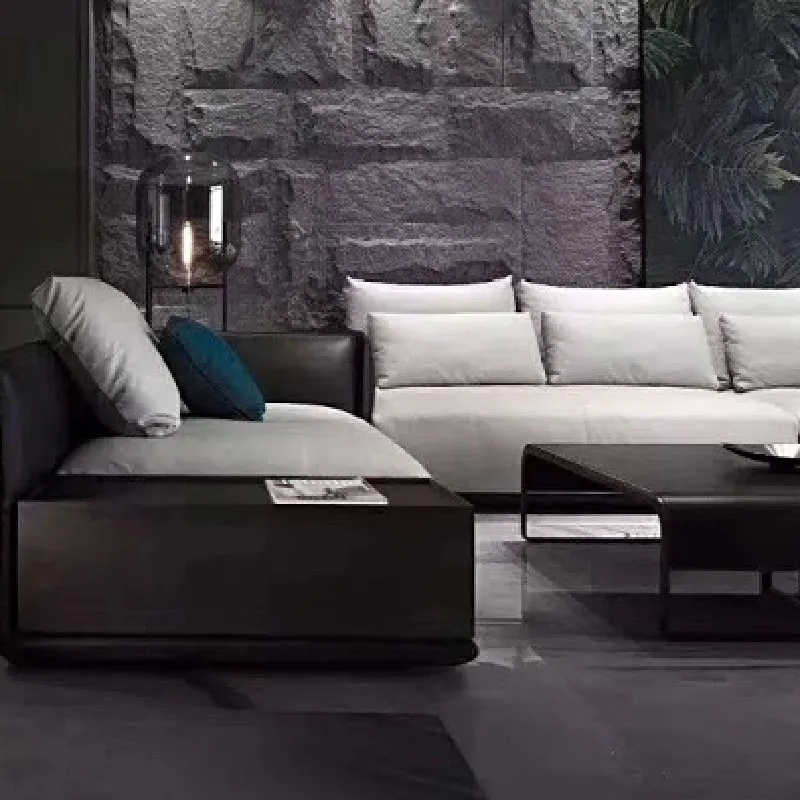
An increasingly popular design strategy is to use both mushroom stone and rectangular veneers within the same project. For instance, a building might feature rectangular stone as the primary facade material, with mushroom stone used to highlight specific architectural features such as entranceways, columns, or plinths. This creates visual hierarchy — the structured rectangular stone provides a calm, orderly backdrop, while the mushroom stone introduces moments of texture and drama.
Another approach is to use rectangular stone on the main elevation for a clean streetscape presence, and mushroom stone in courtyard or garden-facing walls for a more intimate, natural feel. This dual-strategy allows the building to engage differently with public and private spaces.
The decision between mushroom stone and rectangular stone veneers ultimately comes down to three factors:
As a one-stop architectural solution provider, COLORIA GROUP offers a comprehensive range of stone cladding options to suit every design vision. From natural slate mushroom stone to precision-cut rectangular veneers, the product portfolio covers both interior and exterior wall applications. With products like MCM flexible cladding stone wall panels, PU stone wall panels, and an extensive decorative profiles collection — including Bali Stone, Muretto Stone, Masonry Stone, and many more — builders and designers can find the perfect match for any project requirement.
Looking for the right stone cladding for your next project?
Explore COLORIA GROUP's Decorative Stone Collection →Both mushroom stone and rectangular stone veneers bring exceptional visual appeal — they simply achieve it in different ways. Mushroom stone captivates with its organic, sculptural depth, making it the go-to choice for projects that want to make a bold impression. Rectangular stone veneers impress with their clean geometry and balanced rhythm, offering a timeless elegance that suits a wide range of architectural styles. Rather than viewing one as better than the other, the smartest approach is to understand the strengths of each and select — or combine — them based on the specific needs of your project.
Recommend Products












