
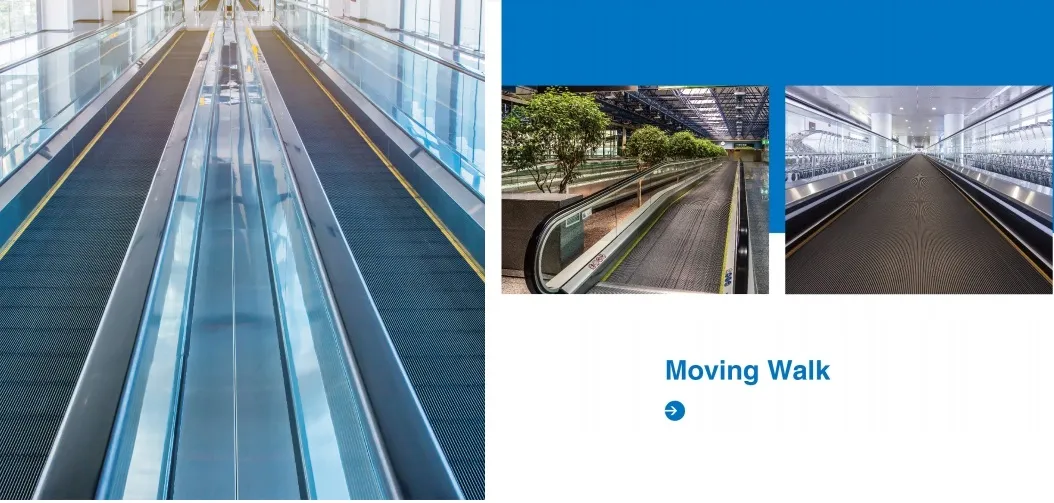
Picture this: you're holding shopping bags from your favorite stores, maybe pushing a stroller or helping an elderly relative. Suddenly you see it—that magical moving pathway beckoning you forward. As you step onto the sleek surface, your tired feet get an instant reprieve while the mall gently carries you toward your next destination. This isn't science fiction; it's the everyday magic of moving walkways in modern shopping centers.
These engineering marvels do more than just save footsteps—they rewire our entire shopping experience. Beneath their smooth surfaces lies a sophisticated dance of motors, belts, and sensors working in harmony to create that signature glide. But their true genius shines in how they transform vertical journeys. By strategically weaving through multiple floors and connecting with elevators and escalators, moving walkways create what designers call a "vertical village" where every level feels accessible and inviting.
At their core, moving walkways are horizontal elevators using one of two systems:
Like a giant conveyor belt made of durable rubber or composite material, this system offers a silky-smooth ride perfect for long stretches. You'll recognize these in sprawling airport terminals and mega-malls where they cover impressive distances without a single jolt.
For tighter spaces or curved paths, interlocking metal plates create a sturdier surface. These workhorses shine in challenging locations like multi-level transportation hubs or amusement parks where heavy foot traffic demands rugged durability.
Ever notice how you gently accelerate when stepping on? This crucial design feature prevents stumbling. The entry zone actually moves slower to match walking speed, then seamlessly increases to full pace – usually 1-2 mph.
That ergonomic rail isn't just for holding. Sensors track its movement to automatically match belt speed, ensuring you never have to chase a runaway handrail while juggling packages.
For transitioning between floors, many walkways incorporate gentle slopes (usually 10-15 degrees). This subtle elevation lets them serve as "horizontal elevators," guiding shoppers up or down without realizing they're changing levels.
The real magic happens when moving walkways become part of an integrated transportation system. Take Dubai's Mall of the Emirates as a prime example. Shoppers glide on walkways that gently slope upward toward an escalator landing. Sensors count shoppers, triggering escalators to shift speeds to match approaching traffic volume – a perfect demonstration of passenger flow optimization.
At Singapore's Jewel Changi Airport, moving walkways connect concourses while visually blending with glass elevators. The walkways' transparent sides let shoppers see into elevator shafts, creating subconscious reassurance about the next vertical step of their journey. This visual connectivity solves the "where next?" hesitation that plagues multi-level complexes.
During holiday rushes at Minnesota's Mall of America, the system demonstrates its intelligence. Overcrowded escalator zones trigger automatic redirection signals on walkways, gently guiding shoppers toward less congested vertical options. The result? Seasonal chaos transforms into a surprisingly pleasant shopping experience.
Elevators: Capacity: 10-20 people per trip | Speed: Up to 4 floors/min | Energy: High | Flow: Intermittent | Best for: Long vertical distance, accessibility
Escalators: Capacity: Continuous | Speed: 1-2 mph | Energy: Medium | Flow: Steady | Best for: Short to medium vertical transport
Moving Walkways: Capacity: Continuous | Speed: 1-2 mph | Energy: Low-Medium | Flow: Steady | Best for: Horizontal + gentle vertical connections
Forward-thinking mall developers have transformed walkways from mere utilities into experience enhancers:
Istanbul's Zorlu Center pairs walkways with aromatic branding. As shoppers glide between fashion districts, subtle scent diffusers release tailored fragrances—citrus near cafes, sandalwood near luxury boutiques—creating multisensory transitions that anchor brand memories.
At Toronto's Eaton Centre, integrated screens display wayfinding along walkways. Shoppers select destinations and see real-time route highlights projected onto the moving surface, guiding them automatically to the desired store or dining area.
Bangkok's Siam Paragon innovated with "window-shopping speed" walkways—slow lanes passing premium displays, complete with non-slip surfaces designed for shoppers balancing multiple packages. Retailers report 30% higher engagement for stores accessible via these pathways.
The next evolution is already appearing in pilot installations:
Chinese developers are testing AI-powered walkways using cameras to detect shopper density. Crowded areas automatically increase speed to clear bottlenecks, while sparse zones slow to accommodate browsing. Early data shows 40% reduction in congestion hotspots.
Innovators are embedding piezoelectric crystals beneath walkway surfaces. These convert the pressure of thousands of footsteps into usable electricity—enough to power nearby lighting and digital signage. Stockholm's Mall of Scandinavia now generates 5% of its auxiliary power from shopper footfall.
Integrating with mall apps will let shoppers choose routes before arriving. A scheduled visit to Lego Store? The walkway prioritizes paths avoiding cosmetic counters for toy-crazy kids. Heading to a spa appointment? Gentle routing past relaxing water features prepares the mind.
The psychology behind these innovations matters. By reducing navigational friction, designers create mental bandwidth for enjoyment and discovery. Shoppers spend more when not drained by transit struggles. Barcelona's Diagonal Mar saw 22% longer average visits after optimizing its wayfinding system around moving walkways.
Maintaining these seamless journeys requires meticulous behind-the-scenes choreography:
Every evening after closing, teams descend with specialized diagnostic equipment. Thermal scanners detect overheating motors weeks before failure. Sound analysis identifies irregular vibrations indicating belt misalignment. With some walkways stretching over 300 feet, technicians might travel their entire length on specialized inspection carts equipped with laser measurement tools.
Safety features have evolved dramatically since the early days. Today's systems include:
Pressure-sensitive zones halt movement if anything heavy falls (no more runaway strollers!), while motion detection prevents startups when children play near entrances.
Micro-adjustments happen constantly—tension monitors maintaining perfect belt tautness, hydraulic compensators ensuring gap-free transitions between segments.
Tomorrow's maintenance looks smarter still. Munich's Olympia Einkaufszentrum now uses magnetic field generators during nighttime upkeep. Technicians analyze signal distortions to map internal wear without disassembly—saving hundreds of repair hours annually.
As shopping evolves, moving walkways adapt in surprising ways. Imagine destinations where:
Retail spaces blend with recreation so smoothly that moving between stores, entertainment zones, and dining areas feels like exploring a vibrant neighborhood rather than navigating a complex. The walkway becomes a neighborhood street—a place for spontaneous encounters and discoveries.
Accessibility reaches new heights as walkways integrate with mobility devices. Future installations might feature magnetic couplings that automatically latch onto wheelchairs and walkers, providing gentle stabilization for vulnerable users. No more clutching rails while navigating ramps.
The boundaries may even blur between traveling and browsing. Walkways could feature embedded "slow zones" with enhanced grip surfaces specifically designed for browsing digital displays alongside physical products—the ultimate hybrid shopping experience.
Recommend Products












