
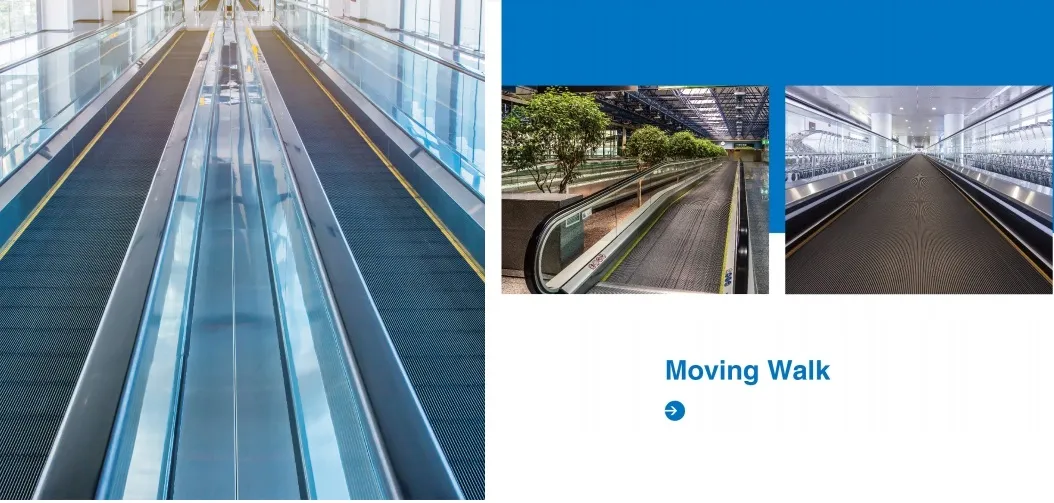
You've felt it – that heavy fatigue after wandering through endless airport terminals or massive shopping malls. Your feet ache, your energy dips, and suddenly all you want is to escape rather than explore. That's precisely where many businesses lose potential revenue before customers even engage with their products. Moving walkways transform this draining slog into a smooth, effortless journey that subtly shifts the entire customer experience. They’re not just metal platforms; they're silent brand ambassadors working 24/7 to boost your bottom line.
Human beings are fundamentally wired to conserve energy – it's biological. Navigating large spaces activates our mental "effort calculator." When walking feels like a chore:
Airports proved this first. After installing moving walkways in Chicago O'Hare, passenger surveys showed a 31% drop in complaints about terminal navigation. That’s not coincidence – it’s psychology. The walkway becomes an invisible hand guiding people toward better moods and open wallets.
Let’s break down how effortless movement quietly generates cash:
At the Mall of Emirates in Dubai, retailers reported a 19% sales bump in stores farthest from entrances after walkway installation. Why? Walkways dissolve the "too far" barrier. Suddenly shoppers think, "Why not check that boutique at the end?" – adding precious minutes to their visit and exposure to more products.
Theme parks like Disney World mastered this. By distributing crowds smoothly via walkways:
Think about parents with strollers, seniors, or travelers with luggage. Walkways welcome demographics who'd otherwise avoid sprawling venues. This accessibility is part of modern architectural façade solutions that prioritize inclusivity – turning physical spaces into competitive advantages.
Beyond logistics, walkways create subtle psychological branding:
Nordstrom leverages this brilliantly. Their walkways use slightly slower speeds with warm lighting, extending that "premier service" feeling from the sales floor to transit zones. Suddenly you're not just walking – you're experiencing curated comfort.
A malfunctioning walkway isn't just broken metal – it's a brand detractor. Top venues like Singapore's Changi Airport treat maintenance as CX insurance:
The result? An operational cost that pays itself back through sustained positive impressions.
Modern walkways like Schindler’s regenerative drive models recover 25% of energy during deceleration. This sustainability story resonates:
At Denver Airport, this green-tech alignment with Colorado's eco-identity created positive local PR no advertisement could buy.
Optimizing walkways requires micro-calibrations:
Las Vegas casinos use this ruthlessly – walkways often lead past high-margin areas before reaching desired destinations. That 12-second exposure to slot machines? Deliberate.
Medical complexes slow walkways near emotional spaces (children's hospitals), signaling care. Retail hubs? Slightly faster pace = energizing discovery. Flow becomes invisible choreography.
Next-gen walkways transform from utilities to experience platforms:
The walkway stops being just transport – it becomes a branded engagement layer.
Moving walkways are the unsung heroes of customer experience architecture. By reducing friction, they amplify:
So when evaluating your space's ROI potential, don't just count square footage – measure steps saved. Because in experiential commerce, comfort is the currency, and smooth journeys build lasting value.
Recommend Products












