
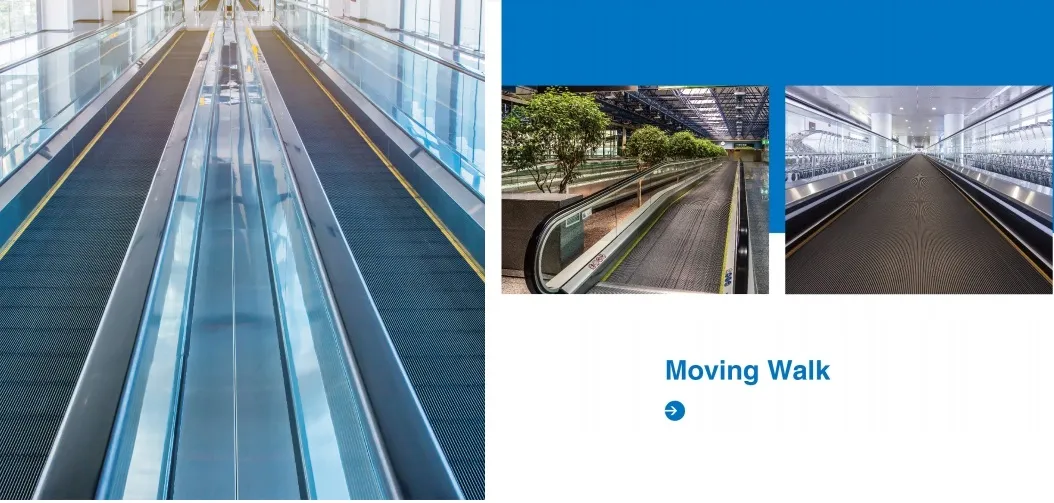
Picture this: You've just entered a massive shopping complex buzzing with energy. Excited shoppers crisscross expansive corridors filled with vibrant storefronts. But instead of feeling overwhelmed by the scale, you step onto a gently gliding pathway that seamlessly whisks you toward your destination. This isn't future fiction – it's today's reality made possible by moving walkways, the unsung heroes transforming how we experience modern retail spaces.
These human conveyor belts have quietly revolutionized mall navigation by combining intuitive design with smart circulation psychology. They've evolved beyond mere transportation devices into strategic tools guiding customer behavior.
Modern shopping centers face the Goldilocks dilemma – too compact feels cramped and rushed, too spacious becomes exhausting. Without navigational aids, larger malls unintentionally create:
That's where moving walkways step in – quite literally – to reshape the customer journey. Their secret lies in aligning with how our minds navigate physical environments.
These systems subtly influence behavior through three psychological principles:
Much like Newton's first law, shoppers maintain their walking pace upon exiting. This creates a natural flow toward neighboring stores rather than immediate stopping points.
While gently moving, our brains engage in "environmental scanning" rather than navigation stress. This mental relaxation increases awareness of surrounding stores by up to 40% according to retail analytics.
Traditional barriers like corridor turns or level changes disappear. A Westfield Group study found inclined walkways increased multi-level visitation by 76% compared to conventional escalators.
The most effective installations follow purposeful layout philosophies:
Typically running 20-40 meters, these link distinct precincts (like fashion to dining). The Mall of Emirates uses this approach to create seamless transitions between its 3 main wings, keeping shopper momentum fluid.
Installed in circular layouts like Taiwan's Dream Mall, these create constant flow past stores without creating dead-end corridors. Retailers report 9-15% higher spontaneous visit rates along these loops.
Pointing toward key attractions like flagship stores or food courts. Dubai Mall uses inclined walkways moving visitors toward its famous aquarium, passing luxury boutiques along the approach.
The numbers reveal undeniable benefits:
Increase in lower-level store traffic after walkway installation
Higher dwell time in connected zones according to heatmap data
Reduction in shopper complaints about navigation challenges
Average extended visit duration in walkway-enhanced complexes
| Feature | Moving Walkways | Traditional Escalators |
|---|---|---|
| Multi-directional use | Single pathway accommodates both directions | × Requires separate installations |
| Baggage/stroller handling | Smooth transitions with dedicated docking zones | × Awkward transitions cause bottlenecks |
| Speed customization | Adjustable from 0.3-0.75 m/s per traffic patterns | × Fixed operational speed |
| Rain protection | Covered outdoor models prevent weather disruptions | × Limited weatherproofing capabilities |
Modern installations have refined the experience further with ergonomic handrails and intuitive lighting systems. Sustainable flooring choices help reduce environmental impact while maintaining durability under constant foot traffic.
Success requires thoughtful incorporation:
Adjustable LEDs that mimic natural daylight patterns maintain energy throughout longer visits.
Sound-dampened motors maintain peaceful ambiance below 55dB – quieter than background mall music.
Micro-textured surfaces enhance grip while infrared sensors detect irregular movements for auto-slowdown.
Belt-type systems permit segment replacement minimizing operational disruption during maintenance.
The evolution continues with exciting developments:
Prototype systems sync with mall apps to dynamically adjust speeds based on crowd density data. Users requesting directions receive illuminated path guidance via integrated LED strips.
Pioneering installations in Scandinavia convert foot pressure into supplemental power – each step potentially contributing to lighting systems or charging stations.
Interactive displays along railings could highlight nearby promotions or events activated by proximity to shopper phones.
These technologies work behind the scenes to create more intuitive shopping experiences. Sustainability features like eco-friendly materials further enhance their appeal in contemporary designs.
Moving walkways serve as master choreographers in retail's dance of consumer traffic. They effortlessly bridge architecture and psychology, creating frictionless journeys through commercial landscapes.
These systems unlock hidden potential in every square meter – transforming fatiguing distances into engagement opportunities. Their subtle guidance reshapes how shoppers interact with space, extending exploration ranges while reducing navigation stress.
In today's competitive retail landscape where convenience reigns supreme, these gliding pathways have moved from luxury features to essential infrastructure – quietly but powerfully steering the future of shopping experiences one seamless journey at a time.
Recommend Products












