
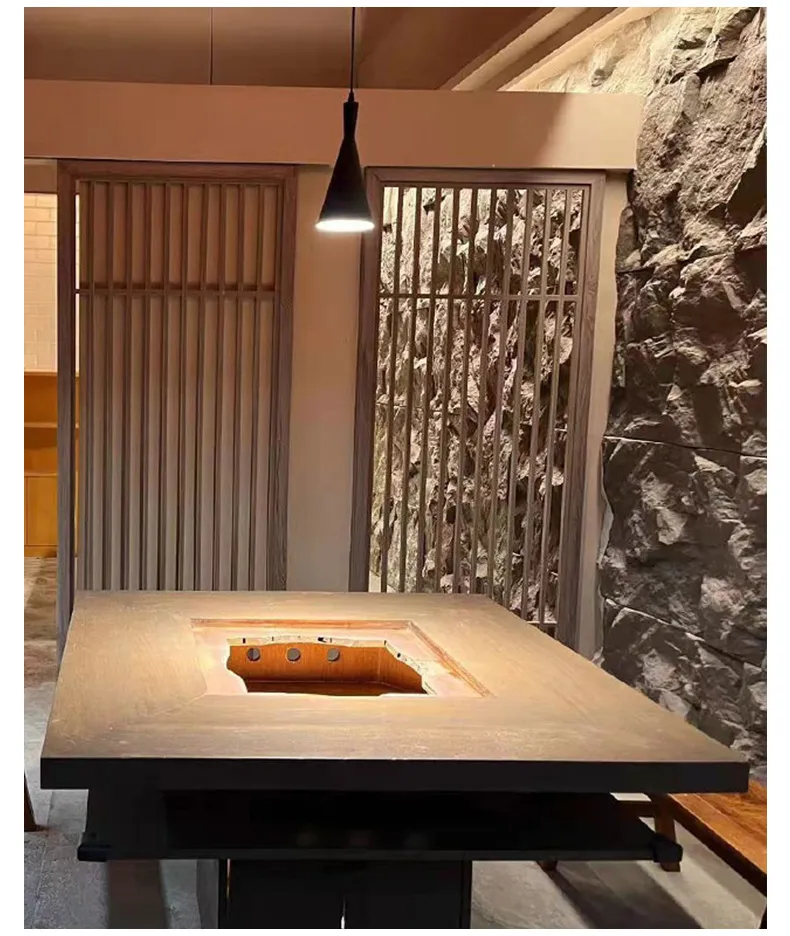
When designing exterior walls, feature facades, or landscape elements, one of the most common questions builders and homeowners face is whether to choose modern mountain rock solutions or traditional natural mountain stone. While both materials deliver the rugged, organic beauty of stone, the difference in installation ease can make or break a project timeline and budget. This article breaks down how mountain rock solutions compare to natural mountain stone specifically in terms of installation, helping you decide which material better suits your construction needs.
Mountain rock solutions refer to engineered stone-look cladding products designed to replicate the appearance of natural mountain stone. These products are manufactured using lightweight materials such as polyurethane (PU), modified clay materials (MCM), or cement-based composites. Unlike natural stone, which is quarried from the earth, mountain rock solutions are produced in controlled factory environments, allowing for consistent quality, predictable dimensions, and significantly reduced weight.
A leading example is the PU stone wall panel, which uses high-density polyurethane to create a stone-like texture that is remarkably lightweight. Another innovative option is the MCM flexible cladding stone wall panel, which combines authentic stone powder with a flexible resin backing, making it easy to handle on curved surfaces. These products are part of a broader category of decorative profiles offered by professional building material supplier networks serving residential and commercial projects worldwide.
Natural mountain stone is quarried directly from geological formations and cut into slabs or veneer pieces for construction use. Common types include granite, limestone, sandstone, and slate, each with unique color variations, veining patterns, and surface textures formed over millions of years. Natural stone has been a trusted building material for centuries, valued for its authenticity, density, and structural integrity.
However, natural stone also comes with inherent challenges: it is heavy, requires specialized transportation, and demands skilled masonry labor for proper installation. Each piece is irregular in shape and thickness, which adds complexity to the installation process.
The installation process is where the differences between mountain rock solutions and natural mountain stone become most apparent. Below is a detailed comparison across key installation factors.
Weight is arguably the single biggest factor affecting installation ease. Natural mountain stone is dense and heavy — a single square meter of granite veneer can weigh 40 to 70 kilograms, requiring multiple workers and sometimes mechanical lifting equipment just to move materials around the job site. This added weight also means the supporting wall structure must be evaluated for load-bearing capacity before installation can begin.
Mountain rock solutions, by contrast, are engineered to be lightweight. PU stone panels are thin and light enough that a single worker can carry multiple panels at once. MCM flexible cladding is even lighter, with a flexible backing that allows it to be rolled up for transport. This dramatically reduces physical strain on workers and eliminates the need for structural reinforcement in most applications.
Natural stone requires a properly engineered substrate, often including a reinforced concrete base, metal lath, and a scratch coat of mortar. The surface must be perfectly level and structurally sound. Any unevenness in the substrate can cause natural stone pieces to sit improperly, leading to lippage (uneven edges between adjacent stones) and potential long-term stability issues.
Mountain rock solutions are far more forgiving. Most engineered stone panels can be applied directly to clean, dry surfaces including drywall, plywood, cement board, and even existing tile. The lightweight nature of these products means they can adhere securely using construction adhesive or mechanical fasteners, without the need for a full mortar bed. This simplifies preparation and shortens the overall project timeline.
Cutting natural stone on site requires diamond-blade wet saws, angle grinders, and specialized masonry tools. The process generates significant dust and noise, and achieving clean cuts around windows, corners, and outlets requires considerable skill. Mistakes are costly, as natural stone pieces cannot be easily repaired once cut incorrectly.
Engineered mountain rock panels can be cut with standard woodworking tools such as circular saws, jigsaws, or utility knives, depending on the material. PU stone panels are soft enough to be trimmed with a sharp blade, while MCM flexible panels can be cut with scissors. This makes on-site adjustments fast and low-risk, reducing material waste and saving time.
Installing natural stone is a specialized trade. It requires experienced masons who understand proper mortar mixing ratios, stone-setting techniques, joint tooling, and sealing procedures. The labor pool for skilled stonemasons is limited in many regions, which can drive up costs and extend project lead times.
Mountain rock solutions are designed for simpler installation that general contractors or even experienced DIY homeowners can handle. Most products come with clear installation guides and require only basic construction skills. The use of adhesive bonding rather than traditional mortar bed techniques means less specialized labor is needed, making it easier to find qualified installers and keep projects on schedule.
Time is a critical metric for any construction project. A typical natural stone facade installation for a 50-square-meter wall may take 5 to 7 days with a crew of two to three skilled masons, accounting for substrate preparation, mortar mixing, stone setting, curing time, jointing, and sealing.
The same area can often be completed in 1 to 2 days using mountain rock solutions. Lighter materials mean faster handling, simpler cutting means fewer delays, and adhesive bonding eliminates the curing time associated with mortar beds. For projects with tight deadlines, this time savings can be the deciding factor.
Key Takeaway: Across all five installation factors — weight, surface preparation, cutting, labor, and time — mountain rock solutions consistently offer a faster, simpler, and more accessible installation process compared to natural mountain stone.
| Installation Factor | Mountain Rock Solutions | Natural Mountain Stone |
|---|---|---|
| Weight per m² | 2–8 kg | 40–70 kg |
| Cutting Tools | Utility knife, jigsaw, circular saw | Diamond wet saw, angle grinder |
| Surface Prep | Clean, dry surface; adhesive bonding | Reinforced substrate, mortar bed |
| Labor Skill Level | General contractor / DIY | Skilled mason required |
| Installation Speed (50 m²) | 1–2 days | 5–7 days |
| Structural Support | Not required in most cases | Often required |
Installation ease directly impacts project costs. Natural stone not only costs more per square meter for the material itself, but the labor-intensive installation process multiplies the total expense. Skilled masons command higher hourly rates, and the longer installation timeline means more days of paid labor. Additionally, the need for structural reinforcement, specialized tools, and mortar materials adds to the overall budget.
Mountain rock solutions reduce costs across the board. Lighter materials mean lower shipping fees. Faster installation means fewer labor hours. The elimination of structural reinforcement and specialized tooling further reduces expenses. For budget-conscious projects that still demand a premium stone aesthetic, engineered solutions offer a compelling financial advantage.
While installation ease favors mountain rock solutions, it is worth considering long-term durability. Natural stone, when properly installed, can last for generations with minimal maintenance. It is inherently resistant to fire, moisture, and UV degradation. Its density makes it suitable for structural applications as well as decorative cladding.
Modern mountain rock solutions are engineered to perform reliably in real-world conditions. High-quality PU stone panels are treated with UV-resistant coatings and are designed to withstand temperature fluctuations and moisture exposure. MCM flexible cladding products incorporate weather-resistant properties that make them suitable for both interior and exterior use. While they may not match the century-long lifespan of natural stone, they offer excellent durability for typical residential and commercial applications when properly installed and maintained.
The choice between mountain rock solutions and natural mountain stone ultimately depends on your project's specific priorities:
Conclusion: Mountain rock solutions have transformed the stone cladding industry by offering a practical alternative to natural mountain stone. Their lightweight construction, simple cutting requirements, forgiving surface preparation, and dramatically faster installation times make them the clear winner for projects where installation ease is a priority. While natural stone retains its place in high-end and heritage applications, the modern builder looking for efficiency, cost control, and design flexibility will find mountain rock solutions to be a smart, forward-looking choice. For a wide selection of stone-look wall panels and decorative profiles, explore the product range at COLORIA GROUP, a trusted one-stop building materials supplier serving projects around the globe.
Recommend Products












