
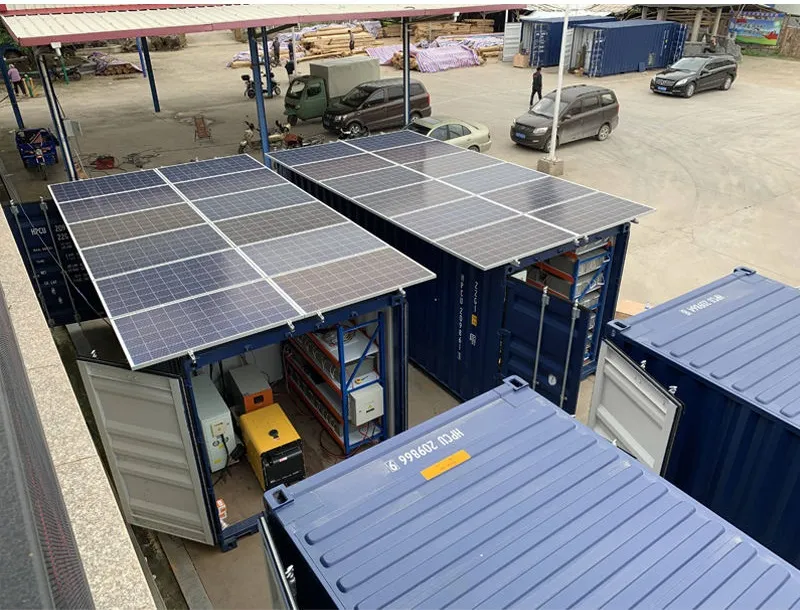
Choosing the right voltage for a solar panel system is one of the most critical decisions in any solar project — whether you are outfitting a small residential installation or a large-scale commercial building. The two most common nominal voltage options are 12V and 24V, and each brings distinct advantages depending on the scale, purpose, and design of the system. Understanding how they compare in system design helps contractors, architects, and project developers make informed choices that balance performance, cost, and long-term reliability.
Solar panels are labeled with a nominal voltage — typically 12V or 24V — which indicates the type of battery bank they are designed to charge. A 12V panel generally produces an open-circuit voltage of around 18V to 22V, while a 24V panel produces roughly 36V to 44V. This difference is not merely a label; it directly affects how the entire system is designed, from wiring and charge controllers to inverters and battery configuration.
The fundamental electrical principle at play is the relationship between voltage, current, and power: Watts = Volts × Amps. For a given power output, doubling the voltage cuts the current in half. This simple equation has far-reaching implications for system design, safety, and cost. For instance, a 1200-watt system running at 12V draws 100 amps, while the same system at 24V draws only 50 amps — a 50% reduction in current that translates into thinner, less expensive wiring and lower energy losses during transmission.
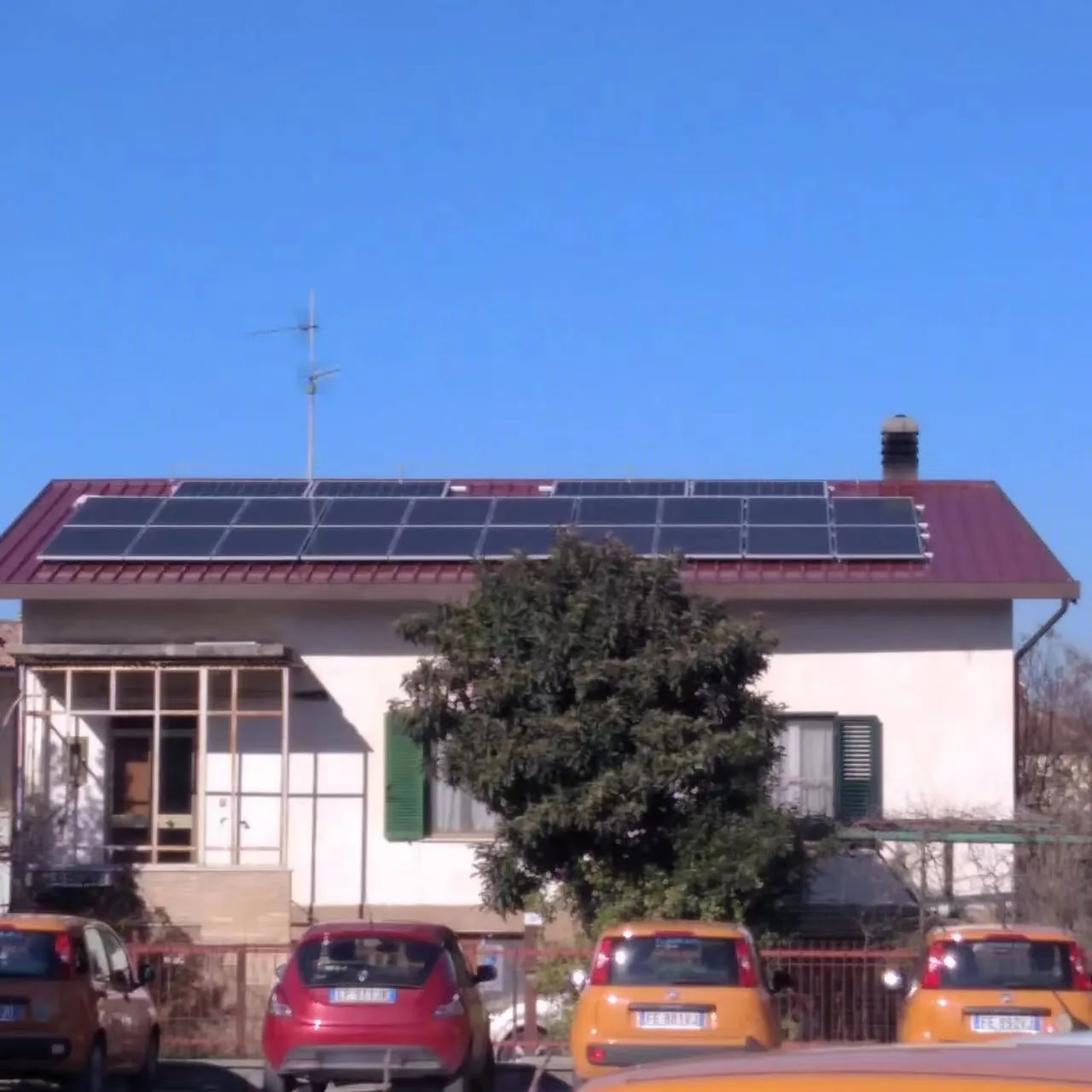
When comparing 12v solar panels to 24V panels, the differences manifest across several critical design dimensions. The table below summarizes the most important distinctions:
| Design Factor | 12V System | 24V System |
|---|---|---|
| Typical System Size | Below 1000W — small-scale applications | 1000W to 2000W — small to medium installations |
| Current Level | Higher current for the same power output | Lower current — roughly 50% less than 12V |
| Cable Requirements | Thicker gauge wiring needed to handle higher current | Thinner gauge wiring is sufficient, reducing material cost |
| Transmission Loss | Higher losses over longer cable runs | Lower losses — more efficient for distributed layouts |
| Charge Controller | Wide compatibility with PWM and MPPT controllers | Typically requires MPPT for best efficiency |
| Battery Configuration | Single 12V battery bank — simple setup | Two 12V batteries in series or a native 24V battery |
| Ideal Applications | RVs, small cabins, boats, off-grid sheds, outdoor lighting | Residential homes, commercial buildings, offices, medium off-grid setups |
A 12V solar panel system is the right choice when the total power demand is modest — typically under 1000 watts. These systems excel in compact, portable, or small fixed installations where simplicity and direct compatibility with 12V appliances are priorities. Common examples include recreational vehicles, marine applications, tiny homes, garden sheds, and standalone outdoor lighting setups.
One of the biggest advantages of 12V systems is the mature ecosystem of compatible components. Many DC appliances — such as LED lights, water pumps, and small fans — are natively designed for 12V operation, eliminating the need for voltage conversion. Additionally, 12V charge controllers and inverters are widely available and generally more affordable at lower power ratings. For a DIY installer or a small project with limited space, a 12V system offers a straightforward, low-cost entry point into solar energy.
Rule of Thumb: If your daily energy consumption is under 2 kWh and your solar array is below 1000W, a 12V system is typically the most cost-effective and practical choice.
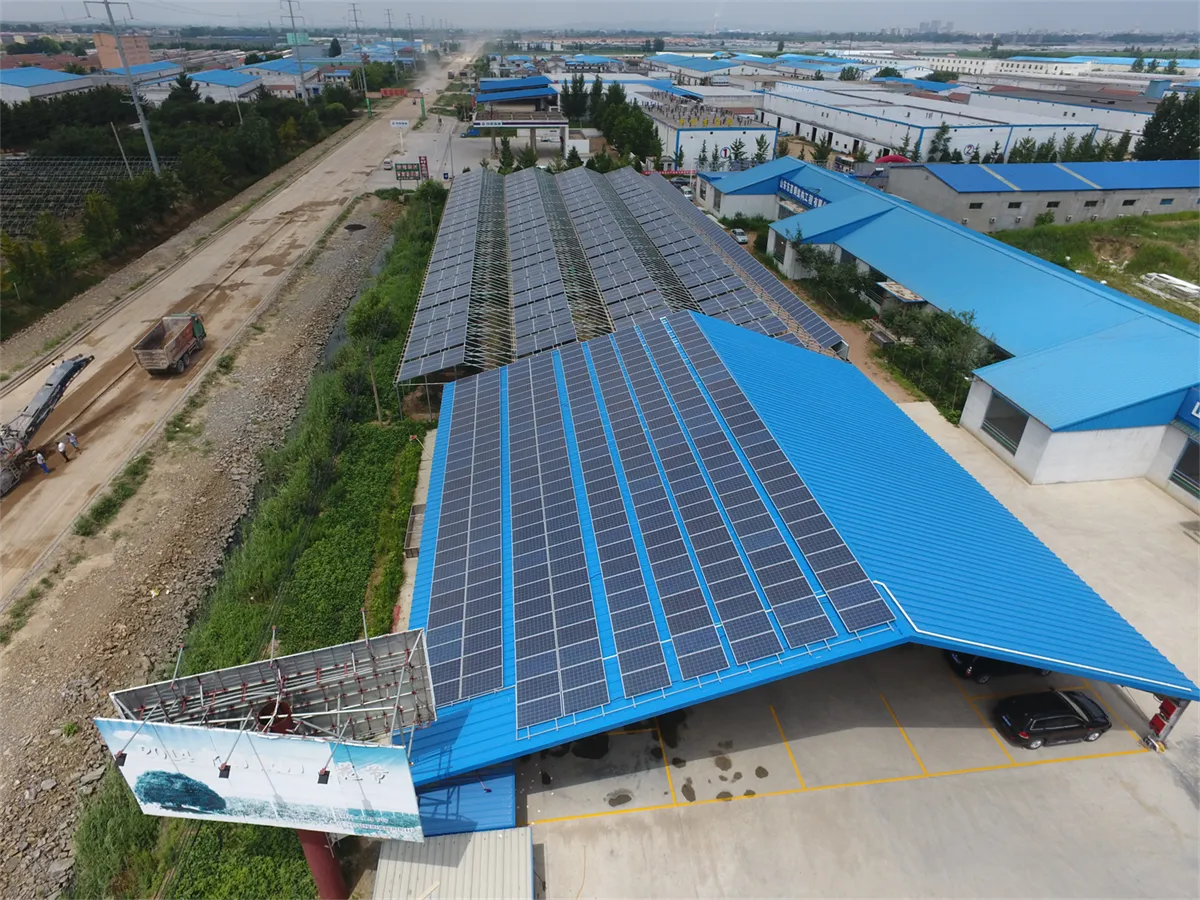
As energy demands grow, the advantages of a 24V system become increasingly clear. For installations with a solar array between 1000W and 2000W, moving to 24V reduces current by half, which brings multiple compounding benefits: thinner wiring, lower heat generation, reduced voltage drop over distance, and the ability to use smaller-gauge circuit breakers and fuses. These savings in materials and improved safety margins are especially relevant for permanent building installations where wiring runs may span tens of meters.
A 24V configuration also supports more powerful AC appliances through the inverter. While a 12V inverter may struggle to reliably power a full-sized refrigerator or air conditioning unit, a 24V inverter handles these loads with greater stability and efficiency. For commercial buildings, office spaces, and medium-sized residential projects, a 24V system strikes an excellent balance between upfront cost and long-term operational efficiency.
Rule of Thumb: If your solar array is between 1000W and 2000W, or you need to run larger AC appliances, a 24V system offers better efficiency, lower wiring costs, and greater scalability.
Switching from 12V to 24V affects every major component in the system. Charge controllers must be rated for the higher input voltage from the panel array. While PWM controllers require the panel array's nominal voltage to match the battery bank voltage, MPPT controllers can accept a higher input voltage and efficiently step it down — making them the preferred choice for 24V systems where panels may be connected in series to achieve the required voltage.
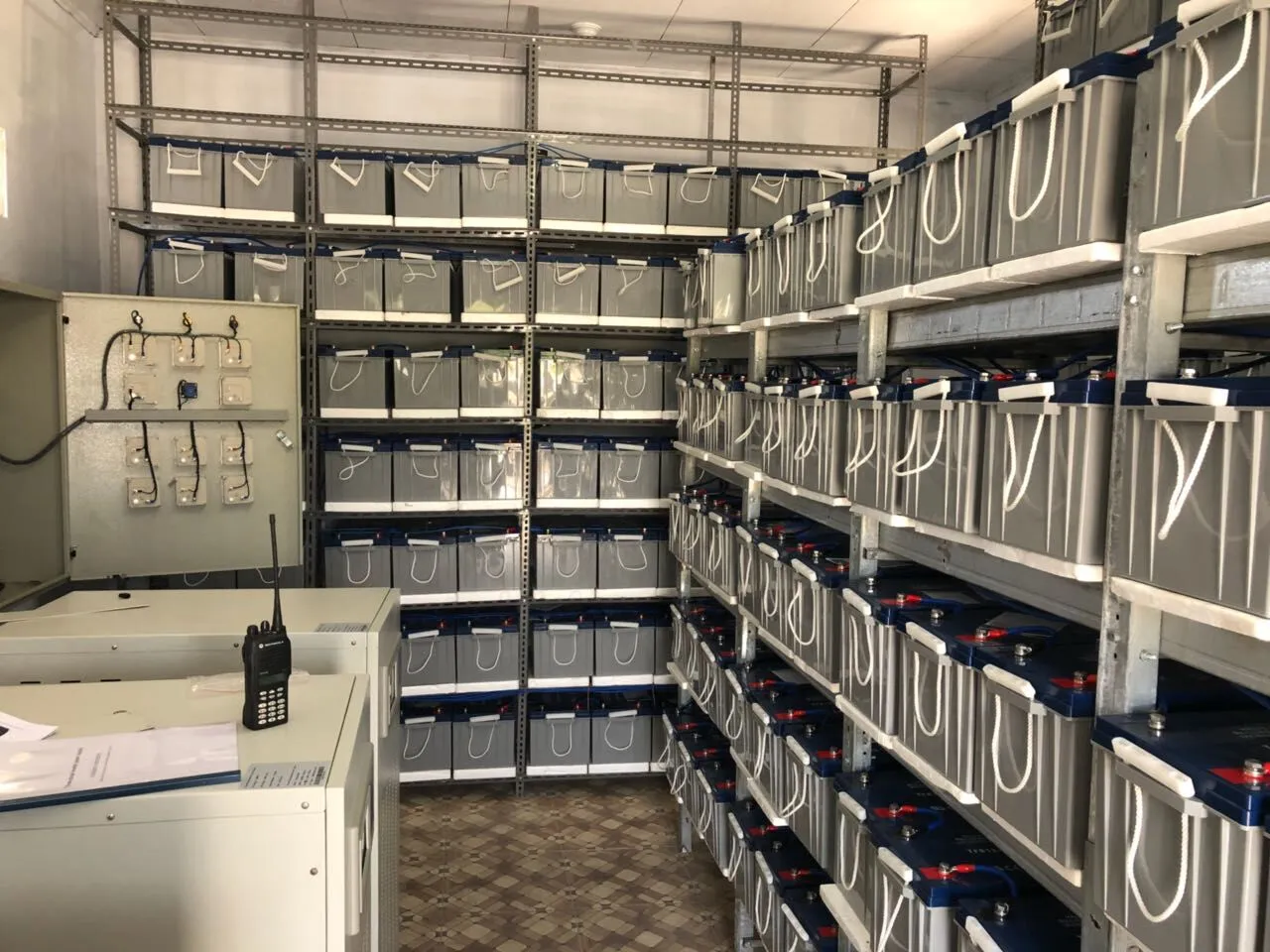
Battery bank configuration also changes. To build a 24V battery bank using 12V batteries, two identical batteries must be connected in series. This doubles the voltage while keeping the amp-hour capacity the same. It is essential that all batteries in a series string are of the same type, age, and capacity to maintain balanced charging and discharging. For larger systems, combining series and parallel connections allows builders to scale both voltage and storage capacity to meet project requirements.
Inverters must match the battery bank voltage. A 12V system requires a 12V inverter, and a 24V system requires a 24V inverter. Higher-voltage inverters generally operate at higher efficiency and can handle larger surge loads — a key consideration when the system will power motors, compressors, or pumps that draw high starting currents.
While individual 24V panels and components may carry a slightly higher upfront price tag than their 12V counterparts, the total system cost often favors 24V for medium and larger installations. The savings come primarily from reduced wiring costs — lower current means thinner copper cables, which are significantly less expensive per meter. For a commercial building project with long cable runs between the roof-mounted array and the equipment room, these savings can be substantial. Additionally, lower current reduces heat buildup in connections and junction boxes, improving long-term reliability and reducing maintenance needs.
For those sourcing materials in bulk, working with a reliable solar panels supplier who offers both 12V and 24V options streamlines procurement. Buyers who seek competitive solar panel wholesale price options benefit from consolidating their purchases through a single source that understands the technical requirements of both voltage configurations.
The decision between 12V and 24V ultimately comes down to three factors: the total power demand of the project, the physical layout and distance between components, and the types of appliances the system will power. A small off-grid cabin with basic lighting and device charging needs may be perfectly served by a 12V system. A commercial office building aiming to offset daytime electricity consumption with a rooftop array will almost certainly benefit from a 24V design — or even a 48V system if the array exceeds 2000W.
Regardless of the voltage chosen, the quality of every component — panels, charge controllers, batteries, inverters, and wiring — determines the system's long-term performance. A well-designed 12V system with quality components will outperform a poorly designed 24V system every time. The key is to match the voltage to the project's real needs rather than defaulting to one option without analysis.
Looking for Solar Panels for Your Next Project?
COLORIA GROUP is a one-stop building materials supplier offering a comprehensive range of solar panels and electrical solutions for residential, commercial, and industrial projects. With 13 product categories covering everything from walls and flooring to elevators and solar energy systems, COLORIA GROUP helps contractors and developers source all their building materials from a single, reliable partner.
Explore Solar Panels →Direct factory supply from Foshan, China — competitive wholesale pricing for bulk orders worldwide.
Whether you are designing a small residential solar setup or a large-scale commercial installation, understanding the difference between 12V and 24V system design ensures your project is safe, efficient, and cost-effective from day one.
Recommend Products












