
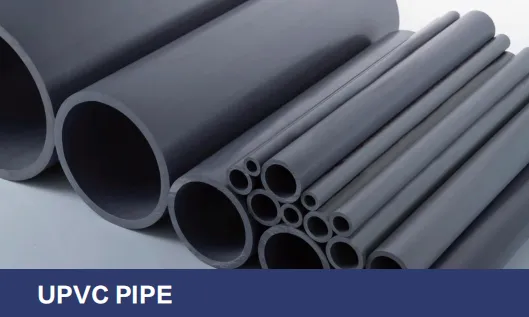
When you think about building or renovating a property, the first things that come to mind are usually the visible elements—sleek countertops, stylish flooring, or modern fixtures. But beneath the surface, there's a silent workhorse that keeps everything running smoothly: your plumbing system. Pipes, in particular, are the unsung heroes of any structure, carrying water, waste, and essential fluids day in and day out. Yet, one factor that often gets overlooked in choosing these critical components is climate. The truth is, the weather patterns in your region can make or break the performance of your pipes, and that's where selecting the right UPVC pipe supplier becomes more than just a purchasing decision—it's a long-term investment in durability and reliability.
Imagine this: A property developer in Riyadh installs UPVC pipes sourced from a generic supplier, only to find them warping and leaking within two years under the scorching desert sun. Or a homeowner in a coastal town in the Pacific Northwest whose drainage system fails during heavy rains because the PVC DWV pipes weren't designed to handle constant moisture and pressure. These scenarios aren't just hypothetical—they're costly realities that stem from underestimating how climate interacts with pipe materials. In this article, we'll dive into why climate should be your top consideration when choosing a pipe supplier, focusing on UPVC (Unplasticized Polyvinyl Chloride) pipes and how the right supplier can ensure your plumbing system thrives, no matter the weather.
UPVC pipes have earned their reputation as a go-to option for plumbing, drainage, and industrial applications, and for good reason. They're lightweight, corrosion-resistant, affordable, and easy to install—qualities that make them attractive for both residential and commercial projects. Unlike regular PVC pipes, which contain plasticizers that can make them more flexible but less durable over time, UPVC pipes are rigid and, giving them superior strength and chemical resistance. But here's the catch: while UPVC is inherently robust, its performance isn't one-size-fits-all. Climate acts as a stress test, pushing the limits of even the best materials. Extreme temperatures, humidity, soil conditions, and rainfall can all expose weaknesses in low-quality UPVC pipes, turning a budget-friendly choice into a maintenance nightmare.
This is where the expertise of an UPVC pipe supplier comes into play. A reputable supplier doesn't just sell pipes—they provide solutions tailored to your environment. They understand that a pipe installed in the arid heat of Saudi Arabia needs different properties than one in the freezing winters of Canada. From additives that enhance UV resistance to reinforced walls that withstand soil pressure, the right supplier ensures their UPVC pipes are engineered to handle your local climate's unique challenges. Let's break down the specific climate factors that should influence your supplier choice.
Climate isn't just about whether it's hot or cold—it's a complex mix of temperature fluctuations, moisture levels, soil composition, and weather events that interact with your pipes 24/7. Below are the key climate variables and how they impact your UPVC pipes, along with what to demand from your supplier to counteract them.
Temperature extremes are perhaps the most obvious climate stressor for UPVC pipes. In hot climates like Saudi Arabia, where summer temperatures regularly soar above 45°C (113°F), exposure to direct sunlight can cause UPVC to expand, warp, or even soften. Over time, this leads to loose joints, leaks, and reduced water flow. On the flip side, cold climates with freezing temperatures pose the opposite risk: UPVC becomes brittle when temperatures drop below 0°C (32°F), making pipes prone to cracking if water inside freezes and expands. Even in moderate climates, sudden temperature swings—like a late spring frost or an unexpected heatwave—can test a pipe's resilience.
A quality UPVC pipe supplier addresses these issues through material science. Look for suppliers who add UV stabilizers to their pipes for hot climates; these additives prevent sun damage and slow degradation. For cold regions, impact modifiers are crucial—they enhance the pipe's flexibility, reducing the risk of cracking during freezes. Additionally, pipe thickness matters: thicker walls provide better insulation and structural integrity in extreme temperatures. Don't hesitate to ask your supplier for test reports proving their pipes can withstand your area's temperature extremes—reputable ones will have data from third-party labs showing performance at both high and low ends of the spectrum.
High humidity, common in coastal areas or tropical regions, creates a breeding ground for mold, mildew, and corrosion—but wait, isn't UPVC supposed to be corrosion-resistant? It is, but only if the pipe is properly manufactured. Low-quality UPVC pipes may have microscopic pores or inconsistencies in their structure, allowing moisture to seep in and weaken the material over time. This is especially problematic for pipes installed in crawl spaces, basements, or exterior walls where humidity levels stay elevated year-round.
When evaluating an UPVC pipe supplier, inquire about their manufacturing process. Do they use virgin UPVC resin, or do they mix in recycled materials that could compromise density? Virgin resin produces a smoother, more uniform pipe with fewer pores, making it better at repelling moisture. Additionally, some suppliers offer pipes with antimicrobial coatings for high-humidity environments like hospitals or schools—though these are more common in specialized products like Class A fireproof CPL inorganic boards, the same attention to detail should apply to your UPVC pipes. A supplier who understands humidity's impact will also guide you on proper installation, such as ensuring adequate ventilation around pipes to prevent condensation buildup.
If your pipes are buried underground, the soil they're surrounded by is just as important as the air above. Clay soil, for example, expands when wet and contracts when dry, creating pressure that can crack rigid pipes like UPVC. Sandy soil, on the other hand, drains quickly but offers less support, increasing the risk of pipes shifting or sagging over time. In rocky areas, sharp stones can abrade pipe exteriors, leading to leaks. Even in urban environments, soil compaction from construction equipment can stress underground pipes.
An experienced UPVC pipe supplier will ask about your soil type before recommending products. For clay soil, they may suggest pipes with thicker walls or reinforced ribs to withstand expansion pressure. In sandy soil, they might recommend using bedding materials like gravel to stabilize the pipe and prevent shifting. Some suppliers even offer specialized UPVC pipes with protective outer layers, such as those used in PVC well casing and screen pipes, which are designed to resist abrasion in harsh soil conditions. By tailoring their recommendations to your soil, a supplier ensures your pipes don't just fit the budget—they fit the ground they're buried in.
Heavy rainfall and storm events put immense pressure on drainage systems, and this is where PVC DWV (Drain, Waste, and Vent) pipes take center stage. DWV pipes are responsible for carrying wastewater and stormwater away from your property, and their performance directly impacts flood risk. In regions with frequent downpours—think monsoon seasons or coastal areas—low-quality DWV pipes can fail in two ways: either they collapse under the weight of water-saturated soil, or they clog due to insufficient flow capacity, causing backups into the property.
When choosing a PVC DWV pipe supplier, focus on two key factors: material strength and design. High-quality DWV pipes are made with rigid UPVC (yes, UPVC is used here too!) that resists deformation under pressure. They also feature smooth inner walls to minimize friction, allowing water to flow freely even during peak rainfall. A knowledgeable supplier will calculate the required pipe diameter based on your area's average rainfall and property size, ensuring the system can handle both regular use and storm surges. They may also recommend additional features like slope guides or access ports for easy maintenance—details that separate a generic supplier from one who understands the realities of drainage in wet climates.
While UPVC is a versatile option, it's not the only player in the game. Other materials like PPR (Polypropylene Random Copolymer) and even specialized options have their own climate strengths. To help you decide, here's a comparison of how UPVC stacks up against PPR and PVC DWV in different climate scenarios, along with what to look for in a supplier for each.
| Climate Type | Best Pipe Material | Supplier Key Considerations |
|---|---|---|
| Hot, Arid (e.g., Saudi Arabia) | UPVC Pipes | UV stabilizers, heat-resistant additives, thick walls; ask for testing data at 60°C+ |
| Cold, Freezing (e.g., Northern Europe) | UPVC (with impact modifiers) or PPR | Impact resistance at -10°C, flexibility ratings; PPR suppliers should highlight freeze-thaw durability |
| Humid, Coastal (e.g., Southeast Asia) | UPVC or PVC DWV | Virgin resin construction, antimicrobial options, corrosion resistance certifications |
| High Rainfall (e.g., Pacific Northwest) | PVC DWV Pipes | Smooth inner walls, structural rigidity, diameter sizing for storm flow |
| Extreme Temperature Swings (e.g., Desert Nights to Days) | PPR Pipes | Thermal expansion coefficients, pressure ratings at varying temps; PPR pipe and fitting suppliers with expertise in thermal cycling |
As the table shows, UPVC is a strong all-rounder, but PPR and PVC DWV have their niches. For example, PPR pipes are often preferred in areas with frequent temperature swings because they have better thermal expansion properties than UPVC. If you're in such a region, a PPR pipe and fitting supplier should be able to provide data on how their products handle rapid heating and cooling without weakening joints. Similarly, in high-rainfall areas, a PVC DWV pipe supplier's ability to customize slope and diameter is critical. The key takeaway? Your supplier should be able to explain why their material is the best fit for your climate, backed by evidence.
Now that you understand how climate impacts pipes, how do you spot a supplier who gets it? It's not just about flashy marketing—it's about tangible expertise, quality control, and a commitment to solving your specific climate challenges. Here are the top qualities to prioritize:
A reputable supplier doesn't just claim their pipes are climate-resistant—they prove it through third-party testing. Look for certifications like ISO 9001 (quality management), ASTM International standards (for temperature and pressure resistance), or local certifications (e.g., SASO for Saudi Arabia building materials suppliers). For example, an UPVC pipe supplier targeting hot climates should have test reports showing their pipes can withstand 50°C+ temperatures without warping for 50+ years. Don't be afraid to ask for these documents—transparency is a sign of confidence in their product.
There's a big difference between a global supplier and one with local roots. A Saudi Arabia building materials supplier, for instance, understands the unique challenges of desert climates: intense UV radiation, extreme day-night temperature swings, and sandy soil. They'll likely have partnerships with local contractors and case studies of successful projects in Riyadh, Jeddah, or Dammam. Local expertise means they can anticipate issues you might not even be aware of—like how sandstorms can abrade above-ground pipes or how high groundwater tables affect buried ones. When vetting suppliers, ask: "What climate-specific issues have you solved for clients in this area?" Their answer will reveal whether they're just selling pipes or providing tailored solutions.
No two properties or climates are identical, so cookie-cutter pipes won't always cut it. A top-tier supplier offers customization to meet your needs. This could mean adjusting pipe thickness for high-pressure soil, adding UV inhibitors for sunny exposures, or modifying fitting angles for tight spaces in humid basements. For example, if you're building a hospital in a hot climate, you might need Class A fireproof CPL inorganic boards for walls, but your UPVC pipes should also be fire-resistant—some suppliers can add flame-retardant additives to meet safety codes. Customization shows the supplier is focused on your success, not just moving inventory.
Even the best pipes fail if installed incorrectly, especially in challenging climates. A supplier who cares will offer more than just delivery—they'll provide installation guidance tailored to your climate. This might include recommendations for bedding materials in sandy soil, insulation tips for freezing winters, or spacing guidelines for expansion joints in hot weather. Some suppliers even offer on-site training for contractors to ensure proper installation. After-sales support also means standing behind their products with warranties that cover climate-related failures, giving you peace of mind that your investment is protected.
In 2023, a residential complex in Riyadh faced a crisis: newly installed UPVC pipes in the exterior walls were warping and leaking just 18 months after completion. The developer had chosen a low-cost supplier without considering Saudi Arabia's extreme heat (temperatures often exceed 45°C in summer). The pipes, which lacked UV stabilizers, had degraded under constant sunlight, leading to cracks and water damage in multiple units. The repair cost exceeded $200,000, not including tenant compensation.
For phase two of the project, the developer switched to a local Saudi Arabia building materials supplier specializing in UPVC pipes for arid climates. This supplier provided pipes with 3% titanium dioxide (a UV stabilizer) and reinforced walls 20% thicker than standard. They also advised installing the pipes with a 2-inch air gap between the pipe and exterior wall to reduce heat transfer. Two years later, phase two's pipes remain intact, with zero leaks or warping. The developer estimates the upfront cost difference (15% higher) was offset by avoiding repair costs and maintaining tenant satisfaction.
While UPVC is a star player, some climate challenges require specialized materials. For example, in hospitals and schools where fire safety is critical, Class A fireproof CPL inorganic board suppliers offer wall panels that resist flames and mold—qualities that complement your UPVC plumbing by creating a safer, more durable environment. Similarly, in areas with extreme cold, PPR pipe and fitting suppliers provide materials that handle freeze-thaw cycles better than standard UPVC. The key is to view your suppliers as a network, not just a single source. A good UPVC pipe supplier will even collaborate with these specialists to ensure your entire building system—from walls to pipes—is climate-ready.
Choosing an UPVC pipe supplier isn't just about comparing prices or delivery times. It's about finding a partner who understands that climate is the invisible architect of your plumbing system's longevity. From the scorching deserts of Saudi Arabia to the freezing winters of northern climates, every region presents unique challenges—and your supplier should be equipped to meet them with expertise, tested materials, and tailored solutions.
So, the next time you're evaluating suppliers, ask the tough questions: What additives do you use for UV resistance? How do your pipes perform in -10°C weather? Can you share case studies from projects in my climate? A supplier who stumbles over these questions is a red flag. But one who provides detailed, data-backed answers—who talks about soil types, rainfall patterns, and local building codes—is the partner who will ensure your pipes stand the test of time, no matter what the weather throws at them.
In the end, the right UPVC pipe supplier doesn't just sell you pipes—they help you build a property that's resilient, reliable, and ready for whatever climate comes next. And in a world where weather extremes are becoming more common, that's not just a smart choice—it's an essential one.
Recommend Products












