
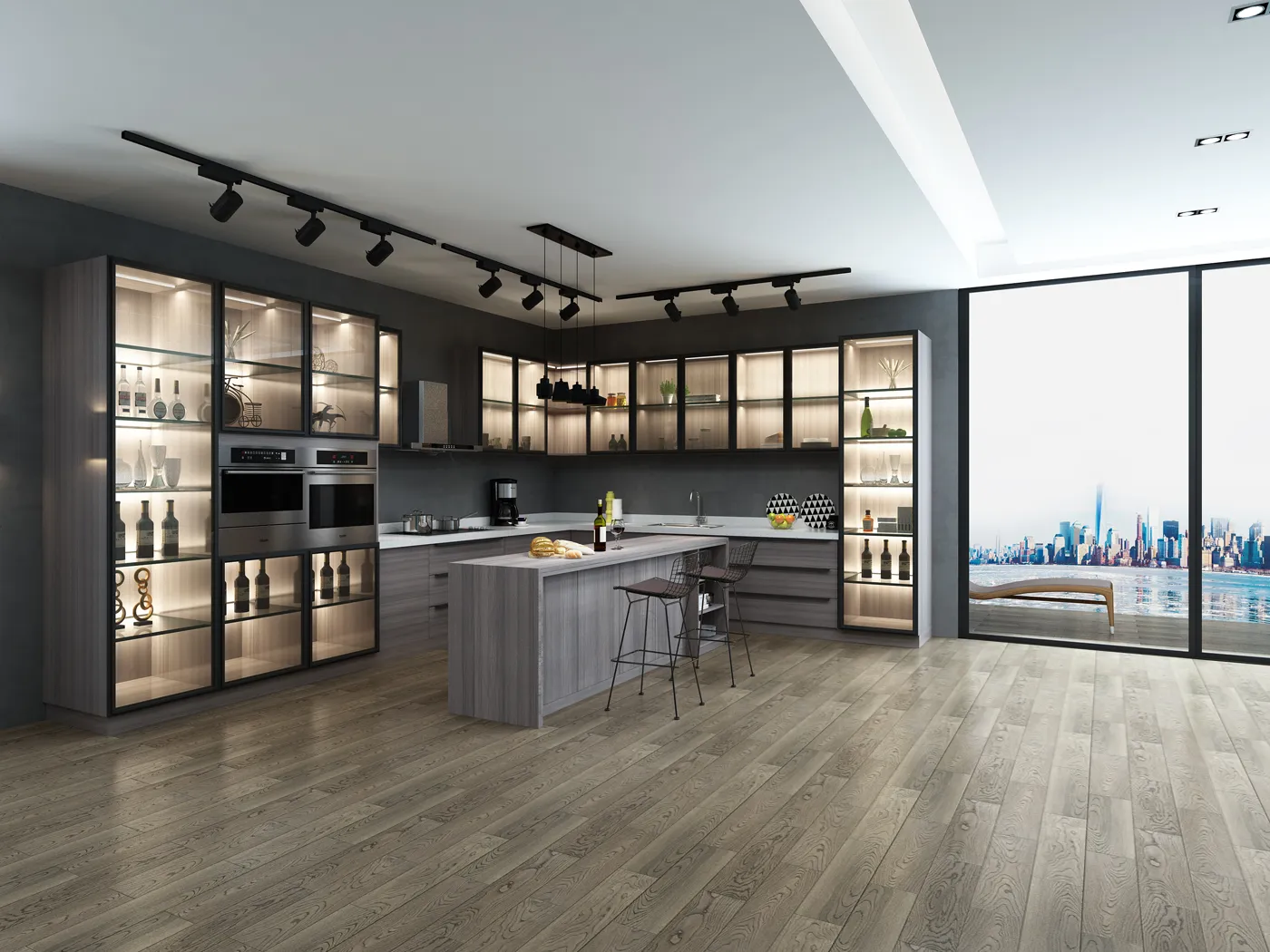
Walking into a kitchen showroom, it's easy to be swept away by beautiful cabinet displays and sales pitches about "eco-friendly materials." But how do you cut through the greenwashing to find suppliers who genuinely prioritize sustainability? This guide offers practical steps to verify those environmental claims before making your purchase.
Think about this: the cabinets you install today will likely outlive your mortgage. With growing concerns about indoor air quality and deforestation, verifying environmental credentials isn't just tree-hugging idealism—it's about protecting your family's health and your home's long-term value.
In our decade of analyzing supply chains, we've seen certification fraud increase by 67% since 2020. The good news? Authentic sustainable suppliers shine when you know how to investigate properly.
Certifications should be transparent, not decorative plaques. When suppliers mention FSC or GREENGUARD certifications:
As Linda Torres of EcoHome Digest shared: "One client discovered their 'certified' cabinets used formaldehyde levels 3x higher than allowed. The certification only covered drawer slides."
Bamboo or reclaimed wood sounds great, but suppliers of authentic sustainable materials willingly share:
Green and environmentally friendly building materials aren't just about the final product—it's about the entire lifecycle. Request their waste diversion reports. Premier suppliers recycle over 90% of manufacturing byproducts.
Avoid suppliers who dodge questions with "proprietary process" excuses. Legitimate operations:
Consider cabinet companies like Vermont Wood Studios that livestream their workshop floors. That's confidence you can smell—literally, with their citrus-based finishes.
| Certification | What It Actually Means | Red Flags |
|---|---|---|
| FSC Certified | Wood from responsibly managed forests | "Mixed" certification (only 30% FSC wood) |
| Cradle to Cradle | Designed for circular reuse | Only material health certification |
| GREENGUARD Gold | Ultra-low chemical emissions | Regular certification (less strict) |
Tip: Always check cert IDs at UL SPOT or FSC Database
When Minneapolis homeowner David Chen asked his cabinet supplier "Why should I believe your green claims?" he uncovered:
Three simple questions saved David $17,000 and potential health issues. Your most powerful tools? Curiosity and skepticism.
Search suppliers' names + "EPA violations" or "OSHA complaints". Check their social media for real project photos—do they match marketing claims?
Literally. Low-VOC cabinets shouldn't give you headaches in showrooms. Bring a coffee bag to reset your scent palate between displays.
Consult independent directories like Green America's Responsible Retailer List or B Corp certifications for pre-vetted options.
In sustainable cabinetry, verification isn't distrust—it's due diligence. By inspecting certificates, demanding data transparency, and questioning marketing claims, you transform from passive consumer to empowered advocate. Remember: true environmental partners welcome scrutiny because their credentials withstand it.
As artisan cabinetmaker Elena Rodriguez notes: "My clients' toughest questions are my best marketing. Proof beats promises every time."
Recommend Products












