
Ever stare at that quote for network cabling and wonder where all those numbers came from? You're not alone. Whether you're wiring a new office, upgrading a data center, or just running ethernet to your home theater setup, cable costs can feel like they appear out of thin air.
Well, grab a coffee and settle in - we're unpacking every dollar and cent today. As building materials go, cables seem simple on the surface. But scratch that insulation jacket and you'll find a whole world of factors pushing prices up or down. Over the next few sections, we'll explore what truly drives those figures on your quote sheet.
Consider commercial kitchens: High-temperature areas need special electrical equipment and cabling that can handle heat without becoming fire hazards. That heat-resistant coating comes at a price!
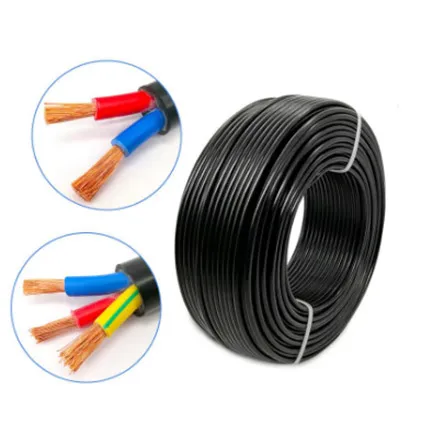
Picture those shiny copper wires hiding under the insulation. That copper isn't just sitting in the ground waiting to be scooped up. Like oil or coffee beans, it's traded on global markets, meaning prices jump around like popcorn in hot oil.
It's the VIP of cable materials - often 60-70% of the total cost. When copper prices climb 20% in global markets, your network quote is guaranteed to follow. Why? Because mines can't magically create more when demand spikes, and those limited reserves get fought over by everyone from tech companies to electric vehicle makers.
Back in 2021, we saw copper hit record highs, and you better believe installers weren't absorbing that cost. It flowed straight to project budgets. The alternative? Aluminum wiring. It's kinder to wallets but less conductive. Copper's still king for performance, so be prepared to pay for that crown.
Ever wonder about that plastic sleeve hugging the wires? It's not just decoration. Materials like PVC (polyvinyl chloride) keep things cheap, while premium LSZH (Low Smoke Zero Halogen) could cost 25% more. Why? LSZH might save lives by not choking people with toxic smoke in fires - that safety premium gets baked into pricing.
Fire-rated cabling for server rooms and vertical risers can cost 1.5-2x more than standard wiring. Safety codes demand it, so know your space's fire requirements before buying!
Time for the heavyweight matchup. Which contender delivers better value for your buck? Let's break down the fighters.
Fibre optic cables - those hair-thin glass strands moving light instead of electricity - come in two championship categories:
But here's the hidden cost: termination. Field-terminating fibre is like watchmaking - one false move and you've got signal loss. Pros charge $25-$40 per splice. Pre-terminated cables arrive ready-to-go ($4-$10/m) but remove the installation headache.
Good old copper - the reliable workhorse. Cat6 UTP costs $0.50-$1.00/m and handles most office gigabit needs. But when 10Gbps performance matters, Cat6a climbs to $1.20-$2.00/m. Expect to pay extra for:
| Cable Type | Cost Per Meter (AUD) | Best For |
|---|---|---|
| Cat5e UTP | $0.30 - $0.60 | Basic home networks |
| Cat6 UTP | $0.50 - $1.00 | Office LANs, small businesses |
| Cat6a STP | $1.20 - $2.00 | Data centers, industrial zones |
| OM4 Fibre | $0.70 - $1.50 | Server rooms, high-speed backbones |
| Singlemode Fibre | $0.40 - $1.00 | Campus links, telecom networks |
Here's the dirty secret: Cables might be cheap, but getting them installed properly? That's where budgets hemorrhage.
Labour accounts for 50-70% of total project costs. Why? Pulling cables through crowded ceiling spaces takes skill. Terminating ends requires precision. Testing every run demands time and specialized tools.
One site inspection saved a client $18k: Concrete walls meant no conduit existed. Without it, drilling costs would've exploded the budget.
Not all termination is equal. Compare:
That's before counting the $5,000 fiber splicer or $800 cable certifier technicians bring. Retrofit projects suffer most - snakes nests of old wiring slow progress, doubling labor estimates.
Smart project managers buy full reels (305m for copper, 500m+ for fiber), saving 10-15% versus per-meter pricing. Bonus? Less waste from cut-offs. One hospital project saved $22,000 just by bulk-purchasing and careful planning.
"Should I pay extra for Cat8?" "Do I need OM5 fiber?" We hear this daily. The truth? Match specs to actual needs.
A 2024 survey found 68% of businesses over-spec cables. That extra $0.80/m for Cat6a instead of Cat6? Over 5,000m, that's $4,000 wasted when Cat6 would have performed flawlessly.
Consider these real-world examples:
Smart compromise? Run higher-grade fiber between floors/switches (future bandwidth), with copper drops to desks (current needs). Hybrid approaches maximize ROI.
Cable pricing isn't insulated from world events. Three powerful forces are currently reshaping costs:
Remember those semiconductor shortages? They hit cables too. Ships getting stuck in canals created 8-12 week delays in early 2024, with some distributors charging 15% "expedited shipping" premiums. Local stockpiling now beats just-in-time ordering.
Petroleum-based plastics face volatility. PVC prices leapt 30% after recent oil spikes, jacking up bulk cable costs overnight. Premiums for "green" materials like recycled plastics add another 5-10%.
Strange connection? Solar farms and EV factories devour copper wiring faster than mines can produce. Copper demand grew 8.3% last year - its highest jump since 2015. That competition keeps copper-based cables expensive.
The rise of lithium batteries has significantly increased global copper consumption, diverting material away from cable manufacturers.
Let's wrap up with field-tested tactics for taming costs:
The key takeaway? Cable pricing isn't random - it follows clear patterns. By understanding how materials, labor, and environmental factors collide, you can cut through the smoke and mirrors on your next quote sheet.
Now that you've got the inside track, go forth and cable smarter! Your budget (and sanity) will thank you later.
Recommend Products












