
Saudi Arabia's 2030 Vision isn't just a plan—it's a promise to transform the nation into a global hub of innovation, sustainability, and opportunity. Launched in 2016, this ambitious roadmap aims to diversify the economy, reduce reliance on oil, and elevate the quality of life for every citizen. At its core are three pillars: a vibrant society, a thriving economy, and an ambitious nation. But none of these pillars can stand without strong foundations—literally. Infrastructure, from towering commercial skyscrapers to cozy residential neighborhoods, from state-of-the-art hospitals to bustling shopping malls, is the backbone of this transformation. And at the heart of that infrastructure? Reliable, durable, and forward-thinking building materials.
As cities like Riyadh, Jeddah, and NEOM expand, as new schools, hospitals, and housing projects break ground, the demand for materials that can keep up with this growth is skyrocketing. It's not just about building faster—it's about building smarter. Materials that last longer, cost less over time, and align with Saudi Arabia's sustainability goals are no longer optional; they're essential. This is where specialized suppliers step in, and among them, the role of a UPVC pipe supplier has become surprisingly pivotal.
When we talk about infrastructure, our minds often jump to grand structures—the glittering facades of skyscrapers, the sweeping curves of highways, or the sleek design of airports. But some of the most critical components are hidden beneath our feet or within our walls: the pipes that carry water to our homes, the systems that remove waste, and the networks that keep cities running smoothly. These "invisible" systems are the circulatory system of any modern society, and their reliability directly impacts everything from public health to economic productivity.
Saudi Arabia's 2030 Vision has sparked an unprecedented wave of construction. The housing sector alone is booming, with millions of new residential units needed to accommodate a growing population and rising urbanization. Commercial projects, too, are on the rise—mega-malls, business districts, and tourism hubs are transforming the landscape. Even public infrastructure, like hospitals, schools, and water treatment plants, is undergoing massive upgrades. Each of these projects relies on piping systems that can withstand the test of time, harsh environmental conditions, and the demands of large-scale use.
But here's the problem: traditional piping materials have long fallen short. Metal pipes corrode over time, especially in Saudi Arabia's arid climate, leading to leaks, water loss, and costly replacements. Concrete pipes are heavy and difficult to install, slowing down construction timelines. And both often come with hidden costs—maintenance, repairs, and the environmental impact of frequent replacements. For a nation racing to meet 2030 goals, these inefficiencies simply won't cut it.
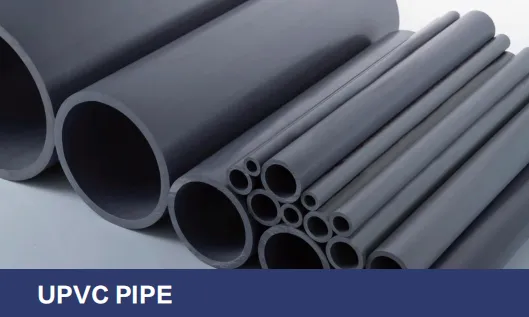
Enter UPVC—unplasticized polyvinyl chloride—a material that's quietly revolutionizing the way we build. Unlike its plastic cousins, UPVC is rigid, strong, and free from the plasticizers that can make other polymers less durable. It's lightweight yet tough, resistant to corrosion and chemicals, and incredibly cost-effective over its lifespan. For a UPVC pipe supplier, this isn't just a product—it's a solution to the very challenges that have held back infrastructure development for decades.
Let's break down why UPVC matters. First, durability. In a country where temperatures can soar above 50°C in summer and drop sharply at night, materials need to withstand extreme thermal stress. UPVC pipes don't warp, crack, or degrade under these conditions. They're also immune to rust and corrosion, which means they can carry everything from drinking water to wastewater without compromising quality. For homeowners, this translates to peace of mind—no more waking up to a flooded basement from a burst pipe. For commercial developers, it means lower maintenance costs and fewer disruptions to business operations.
Then there's installation. Traditional metal pipes require heavy machinery and skilled labor to transport and fit, driving up construction times and costs. UPVC pipes, being lightweight, can be handled by smaller teams and installed quickly, cutting project timelines by weeks or even months. In a country where every day counts toward meeting 2030 targets, this speed is invaluable.
Sustainability is another key factor. Saudi Arabia's 2030 Vision places a strong emphasis on environmental responsibility, and UPVC aligns perfectly with this. UPVC pipes are recyclable, and their production requires less energy than metal or concrete. They also reduce water loss—leaks in traditional pipes can waste up to 30% of water, a critical issue in a water-scarce region. By minimizing leaks, UPVC helps conserve this precious resource, supporting the vision's goal of a more sustainable future.
| Feature | Traditional Metal Pipes | Concrete Pipes | UPVC Pipes |
|---|---|---|---|
| Durability | Prone to corrosion; 10-15 year lifespan | Heavy but brittle; 20-25 year lifespan | Corrosion-resistant; 50+ year lifespan |
| Installation Cost | High (heavy machinery, skilled labor) | Very high (transport, lifting equipment) | Low (lightweight, easy to handle) |
| Maintenance | Frequent (rust removal, leak repairs) | Moderate (cracks, root intrusion) | Minimal (no corrosion, smooth interior resists clogs) |
| Environmental Impact | High (energy-intensive production, frequent replacements) | High (cement production emits CO2) | Low (recyclable, energy-efficient production, reduces water loss) |
A UPVC pipe supplier isn't just someone who delivers products—it's a partner in building Saudi Arabia's future. To truly support the 2030 Vision, suppliers must go beyond selling pipes; they must understand the unique needs of each project and provide tailored solutions. This is where the concept of a "one-stop architectural solution provider" comes into play. The best UPVC suppliers don't just offer pipes—they offer expertise, customization, and a commitment to quality that ensures projects don't just meet standards, but exceed them.
Take residential projects, for example. As Saudi Arabia works to build millions of affordable homes under initiatives like the Sakani program, a residential building materials supplier must ensure consistency in quality and availability. A reliable UPVC pipe supplier can scale production to meet the demand of large housing complexes, ensuring that every home gets the same durable, high-quality piping system. This consistency is critical for developers, who need to trust that materials won't fail once families move in.
Commercial projects have their own set of demands. Hospitals, for instance, require piping systems that meet strict hygiene standards to prevent contamination. Schools need systems that can handle high water usage from hundreds of students. Malls need pipes that can support complex HVAC and plumbing networks without disrupting foot traffic. A commercial building materials supplier specializing in UPVC can provide pipes with specific certifications—like those approved for drinking water or medical facilities—ensuring compliance with local regulations and international best practices.
Customization is another area where suppliers add value. Not all projects are the same. A high-rise in Riyadh might need vertical piping solutions that can withstand high water pressure, while a rural housing development might require flexible, easy-to-install systems. The best UPVC suppliers work closely with architects and engineers to design pipes in custom lengths, diameters, and configurations, ensuring a perfect fit for every project. This level of collaboration turns a simple supplier into a strategic partner, helping projects stay on track and within budget.
Let's look at a real-world example of how a UPVC pipe supplier made a difference. In 2023, a major developer in Riyadh embarked on a project to build 500 residential units as part of the Sakani housing initiative. The goal was to deliver affordable, high-quality homes to families by early 2024—ambitious, given the tight timeline and the need to keep costs low.
Initially, the developer considered using traditional galvanized steel pipes, a common choice in the region. But after consulting with a local UPVC pipe supplier, they decided to switch. The supplier provided detailed data on UPVC's lifespan, installation costs, and long-term savings, backed by case studies from similar projects. They also offered custom-cut pipes to fit the complex's unique layout, reducing waste and installation time.
The results spoke for themselves. The installation team, which had originally estimated 8 weeks to lay the piping, finished in just 4 weeks, thanks to UPVC's lightweight design. The developer saved over 20% on labor costs and avoided delays that would have pushed the project past its deadline. Two years later, residents report zero issues with leaks or water quality, and the developer has since adopted UPVC as the standard for all future housing projects.
This isn't an isolated case. From Jeddah's waterfront developments to the eco-friendly communities of NEOM, UPVC pipes are becoming the go-to choice for developers who want to build efficiently, sustainably, and in line with 2030 goals.
Saudi Arabia's 2030 Vision isn't just about economic growth—it's about building a sustainable future for generations to come. The nation has committed to reducing carbon emissions, conserving natural resources, and transitioning to a greener economy. Here, UPVC pipes shine once again. Unlike metal pipes, which require mining and energy-intensive manufacturing processes, UPVC production has a lower carbon footprint. Additionally, UPVC pipes are 100% recyclable, meaning old pipes can be repurposed into new products, reducing waste in landfills.
Water conservation is another critical area. Saudi Arabia is one of the world's most water-scarce countries, and every drop counts. Leaky pipes waste billions of liters of water annually, straining already limited resources. UPVC's tight, corrosion-resistant joints minimize leaks, ensuring that more water reaches its intended destination—whether it's a household tap, a farm, or a public park. For a nation aiming to become more water-secure by 2030, this is a game-changer.
Even the long lifespan of UPVC pipes contributes to sustainability. By reducing the need for frequent replacements, UPVC lowers the demand for raw materials and the energy required to produce and transport new pipes. Over 50 years, a single UPVC pipe can save hundreds of kilograms of carbon emissions compared to a metal alternative. For developers and policymakers alike, these numbers add up to meaningful progress toward Saudi Arabia's green goals.
As Saudi Arabia marches toward 2030 and beyond, the role of UPVC pipes will only grow. Innovations in UPVC technology—like enhanced UV resistance, improved pressure handling, and even smart pipes with built-in leak detection—are already in the pipeline (pun intended). These advancements will make UPVC even more versatile, opening doors to new applications, from desalination plants to renewable energy projects.
For UPVC pipe suppliers, the future lies in staying ahead of these trends. Investing in research and development, collaborating with global partners to bring cutting-edge technology to Saudi Arabia, and continuing to prioritize sustainability will be key. The best suppliers won't just keep up with the 2030 Vision—they'll help shape it, by providing the materials and expertise that turn ambitious plans into tangible, lasting infrastructure.
At the end of the day, Saudi Arabia's 2030 Vision is about people—improving their lives, creating opportunities, and building communities they can be proud of. Behind every new home, every state-of-the-art hospital, and every bustling commercial center is a network of materials that make it all possible. UPVC pipes may not be the most glamorous part of this journey, but they're undeniably essential. And the suppliers who provide them? They're not just selling pipes—they're helping build a nation's future.
Saudi Arabia's 2030 Vision is a bold promise, and promises require action. From the drawing board to the final brick, every detail matters—and that includes the pipes that run beneath our feet. A UPVC pipe supplier, when committed to quality, innovation, and sustainability, becomes more than a vendor; they become a cornerstone of progress. By providing durable, efficient, and eco-friendly solutions, they help turn infrastructure dreams into reality, supporting residential and commercial growth, conserving resources, and ensuring that the buildings of today will stand strong for the generations of tomorrow.
As Saudi Arabia continues to transform, the role of specialized suppliers—whether they're residential building materials suppliers, commercial building materials suppliers, or one-stop architectural solution providers—will only become more critical. And in that ecosystem, UPVC pipes will remain a quiet but powerful force, driving progress, one project at a time. After all, the 2030 Vision isn't built in a day. It's built in the details—and sometimes, those details are the ones we can't see, but can always rely on.
Recommend Products












