

In the fast-paced world of construction and renovation, every project manager, contractor, and homeowner knows the drill: tight deadlines, shrinking budgets, and the constant pressure to deliver quality results. Whether you're working on a residential renovation, a commercial office build-out, or a large-scale hospitality project, the choice of building materials can make or break your timeline and bottom line. This is where interior and exterior decoration materials play a starring role—and among them, PU stone wall panels have emerged as a game-changer. But what exactly makes a PU stone wall panel supplier more than just a vendor? How do their PU stone wall panel solutions transform project efficiency and costs? Let's dive in.
For decades, natural stone, brick, and concrete have been go-to choices for wall cladding. They're durable, timeless, and have a certain prestige. But anyone who's worked with them knows their downsides. Natural stone, for example, is heavy—often requiring structural reinforcements to support its weight. Installing it means hiring specialized labor, renting heavy machinery, and allocating days (if not weeks) to get the job done. Then there's the cost: quarrying, transporting, and cutting natural stone drives up material prices, while the labor-intensive installation adds to project expenses. Even after installation, maintenance isn't cheap—natural stone needs regular sealing to prevent water damage, staining, or mold growth, especially in high-moisture areas like bathrooms or exteriors exposed to rain and snow.
Concrete and brick, while more affordable, come with their own set of headaches. They're brittle, prone to cracking in extreme temperatures, and offer limited design flexibility. If a client wants a specific texture or color, customization options are minimal, forcing compromises that can hurt the project's aesthetic. For contractors juggling multiple deadlines, these inefficiencies add up: delayed timelines, overstretched budgets, and unhappy clients.
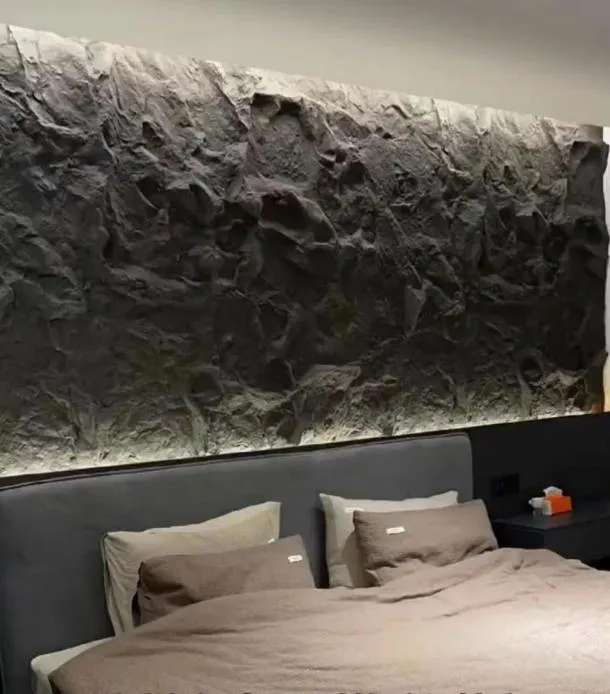
Enter PU stone wall panels. Short for polyurethane, PU stone is a lightweight, high-performance material that mimics the look and texture of natural stone—without the drawbacks. Made by blending polyurethane resin with stone aggregates and pigments, these panels are engineered to be strong, flexible, and easy to work with. But the real magic isn't just in the material itself; it's in how PU stone wall panel suppliers package it as part of a broader one-stop architectural solution . Unlike suppliers who only sell materials, top providers offer end-to-end support: from design consultation to customization, delivery, and even installation guidance. This holistic approach is where efficiency and cost savings start to take shape.
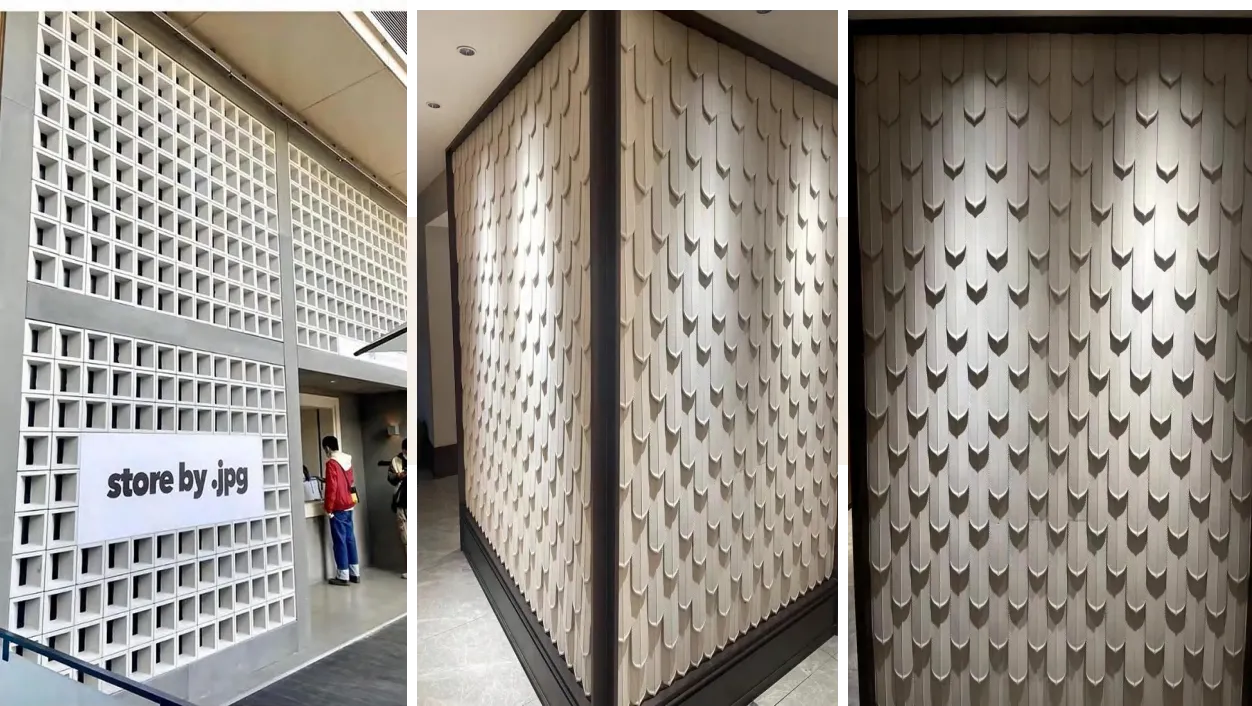
Efficiency in construction isn't just about speed—it's about doing more with less time, labor, and resources. PU stone wall panel suppliers excel here, thanks to three key advantages:
PU stone panels weigh a fraction of natural stone—typically 3-5 pounds per square foot, compared to 20-30 pounds for natural granite or marble. This lightness eliminates the need for heavy machinery like cranes or forklifts on-site. Instead of a team of 4-5 workers, a small crew of 2-3 can handle installation, carrying panels by hand and maneuvering them into tight spaces (think narrow hallways or upper-floor balconies) with ease. The panels are also easy to cut, trim, or shape using basic tools like a utility knife or circular saw, so adjustments on-site take minutes, not hours. For example, a 500-square-foot exterior wall that might take 3-4 days to clad with natural stone can be finished in 1-2 days with PU panels. That's a 50% reduction in installation time—time that can be redirected to other tasks, keeping the entire project on track.
Traditional stone's weight often requires contractors to reinforce walls with steel beams or additional framing, adding weeks to the pre-construction phase. PU stone panels, being lightweight, don't need this extra support. They can be installed directly over drywall, plywood, or even existing brick or concrete surfaces using adhesives or mechanical fasteners. This cuts out the need for structural assessments, engineering sign-offs, and framing work, streamlining the process from start to finish. For a renovation project, this is a game-changer: there's no need to tear down walls or disrupt existing structures, meaning less dust, noise, and disruption for occupants (a huge plus for commercial projects like hotels or offices that need to stay operational during upgrades).
One of the biggest frustrations with traditional materials is lead time for customization. If a client wants a specific color or texture, natural stone suppliers often require weeks (or months) to source, cut, and deliver the right slabs. PU stone wall panel suppliers , however, leverage modern manufacturing techniques to offer near-limitless customization. Want a panel that looks like Swiss stone? Or a weathered, rustic texture for a mountain lodge? Suppliers can match colors, mimic textures, and even create custom sizes (from small accent panels to large-format sheets) in days, not months. This agility is critical for projects with tight deadlines or evolving design needs. For example, a restaurant owner who decides mid-project to switch from a smooth to a rough-hewn stone look can get the new panels delivered within a week, avoiding costly delays.
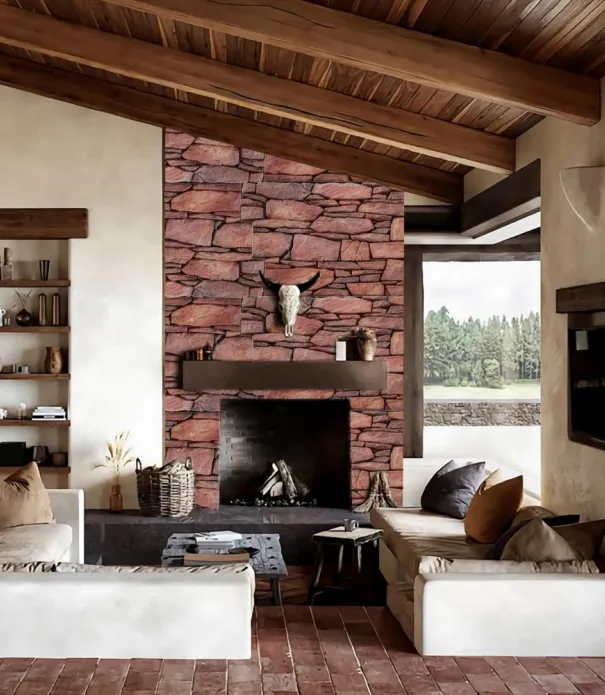
Efficiency and cost go hand in hand, and PU stone panels deliver savings in ways that might not be obvious at first glance. Let's break down the numbers:
At first glance, PU stone panels might seem pricier than basic materials like concrete or vinyl. But when compared to natural stone, they're often 30-50% cheaper per square foot. For example, natural granite can cost $25-$50 per square foot, while PU stone panels range from $10-$20 per square foot. Multiply that by a 1,000-square-foot project, and you're looking at savings of $15,000-$30,000 right off the bat. But the savings don't stop there. Because PU panels are lightweight, shipping costs are significantly lower—no need for special freight carriers or overweight permits. And since they're manufactured in consistent sizes and quantities, there's less waste: unlike natural stone, which often has irregular shapes that lead to unused scraps, PU panels are cut to order, so you pay for exactly what you need.
Labor is one of the biggest line items in any construction budget, and PU stone panels cut this cost dramatically. As mentioned earlier, installing PU panels requires fewer workers—2-3 instead of 4-5 for natural stone. With installation times halved, labor hours are reduced by 50% or more. Let's crunch the numbers: if a skilled stone mason charges $75 per hour, and a natural stone installation takes 80 hours (10 days x 8 hours), that's $6,000 in labor. A PU stone installation for the same area might take 30 hours (3-4 days), costing $2,250—a savings of $3,750. For larger projects, these savings scale exponentially. Some contractors report labor cost reductions of up to 40% when switching to PU stone, freeing up budget for other priorities like high-end fixtures or landscaping.
The true cost of a material isn't just what you pay upfront—it's what you pay to maintain it over time. Natural stone, brick, and concrete demand regular upkeep: sealing every 1-2 years ($2-$5 per square foot), repairing cracks ($100-$300 per crack), and replacing damaged sections ($500+ per square foot). PU stone panels, by contrast, are virtually maintenance-free. Their polyurethane core is water-resistant, so they won't absorb moisture or develop mold. They're also UV-stabilized, meaning they won't fade in sunlight, and impact-resistant, so dents and scratches are rare. A quick wipe with soap and water is all it takes to keep them looking new. Over a 10-year lifespan, the maintenance savings alone can add up to thousands of dollars—especially for commercial properties like hotels or retail stores, where downtime for repairs can hurt revenue.
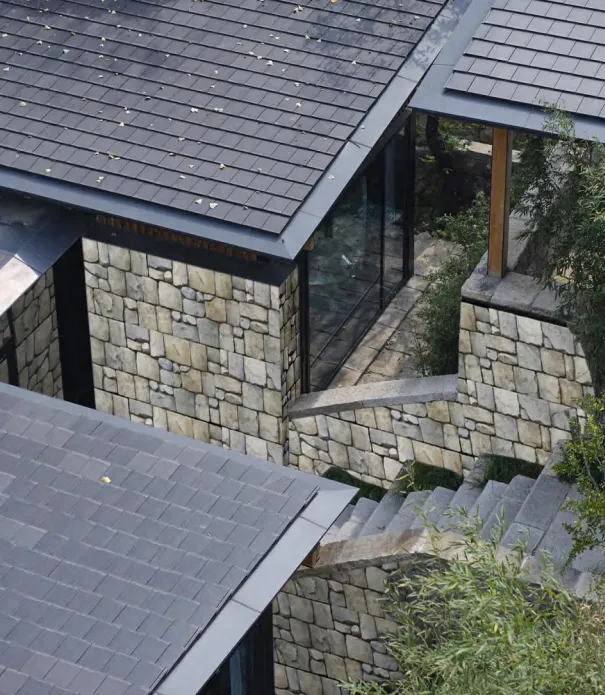
To put these benefits into perspective, let's compare PU stone wall panels with three common traditional materials: natural granite, brick, and concrete. The table below highlights key metrics that matter most to contractors and project managers:
| Metric | PU Stone Wall Panels | Natural Granite | Brick | Concrete |
|---|---|---|---|---|
| Weight (per sq ft) | 3-5 lbs | 20-30 lbs | 10-12 lbs | 15-20 lbs |
| Installation Time (500 sq ft) | 1-2 days | 3-4 days | 2-3 days | 2-3 days |
| Material Cost (per sq ft) | $10-$20 | $25-$50 | $8-$15 | $5-$10 |
| Labor Cost (500 sq ft) | $2,000-$3,000 | $5,000-$7,000 | $3,500-$4,500 | $3,000-$4,000 |
| Annual Maintenance Cost | $0-$50 | $500-$1,000 | $300-$600 | $200-$400 |
| Customization Options | High (colors, textures, sizes) | Low (limited by quarry) | Low (standard colors only) | Low (basic finishes) |
| Suitable for | Interior & exterior, residential & commercial | Exterior (limited interior use) | Exterior (some interior accent walls) | Structural walls (limited aesthetic use) |
As the table shows, PU stone panels outperform traditional materials in nearly every category that impacts efficiency and cost. They're lighter, faster to install, and cheaper to maintain, with the added bonus of design flexibility. For interior decoration materials and exterior decoration materials alike, this makes them a smart choice for projects where time and budget are priorities.

What truly sets top PU stone wall panel suppliers apart is their ability to act as partners, not just vendors. A one-stop architectural solution provider doesn't just sell you panels—they work with you to solve problems. Need help matching panels to existing decor? They offer design consultations and color samples. Have a tight deadline? They prioritize fast production and shipping, even for custom orders. Unsure about installation? They provide step-by-step guides, video tutorials, or even on-site training for your crew. This level of support eliminates the guesswork and delays that come with coordinating multiple suppliers, making your job as a contractor or project manager that much easier.
Take, for example, a recent hotel renovation project in Saudi Arabia. The client wanted the lobby walls to have a rustic stone look but needed the installation done in under two weeks to avoid disrupting guest stays. A local PU stone wall panel supplier stepped in, providing custom-colored panels that matched the hotel's desert-inspired theme. The supplier delivered the panels within 5 days, and the installation team—with guidance from the supplier's technical reps—finished the job in 3 days, under budget and ahead of schedule. The result? A stunning lobby that wowed guests, and a client who saved over $15,000 in labor and downtime costs.
Don't just take our word for it. Contractors who've switched to PU stone panels consistently report positive outcomes. John, a general contractor with 15 years of experience in residential renovations, notes: "I used to avoid stone accent walls because of the hassle. Now, with PU stone, I can offer clients the natural stone look they want, install it in a day, and charge less than half what I used to for natural stone. My profit margins are up, and clients love how quickly projects wrap up."
For commercial projects, the benefits are even clearer. Maria, a project manager for a retail chain, says: "We're rolling out a new store design across 20 locations, and PU stone panels have been a lifesaver. The supplier customized the panels to match our brand colors, and installation takes 1-2 days per store instead of a week. We've cut renovation time by 60% and saved over $100,000 in labor costs alone."
In an industry where time is money and quality is non-negotiable, PU stone wall panel suppliers are redefining what's possible. By combining lightweight, durable materials with end-to-end support, they're helping contractors, project managers, and homeowners build better, faster, and more affordably. Whether you're working on a small residential accent wall or a large-scale commercial exterior, PU stone panels offer the perfect balance of efficiency, cost savings, and design flexibility.
So, the next time you're planning a project, ask yourself: Are you using materials that work for you, or against you? With PU stone wall panel solutions, the answer is clear—they work for you, every step of the way.
Recommend Products











