
In the fast-paced world of construction, where deadlines loom and budgets tighten, the process of sourcing materials can often feel like navigating a maze. Contractors juggle dozens of suppliers, project managers chase down delayed shipments, and quality control teams sift through inconsistent products—all while keeping an eye on the clock. This fragmentation isn't just a hassle; it's a risk. A missing valve here, a mismatched pipe there, and suddenly a project is weeks behind schedule, costing stakeholders time, money, and peace of mind. Enter the era of one-stop construction material solutions: a model that streamlines procurement by (integrating) diverse products under a single umbrella. At the heart of this transformation lies a critical player: the plastic valve system supplier. Far more than just a vendor of valves, these suppliers act as linchpins, connecting pipes, fittings, and specialized materials into cohesive systems that simplify projects from residential builds to commercial complexes. Let's explore how they turn chaos into clarity, and why their role is indispensable in modern construction.
To understand the value of a one-stop solution, it helps to first unpack the frustrations of traditional procurement. Imagine a commercial contractor tasked with building a 10-story office complex. They need UPVC pipes for plumbing, PPR fittings for hot water lines, PVC DWV pipes for drainage, and plastic valves to control flow—each from a different supplier. Day one: The UPVC pipe supplier delivers 20% fewer units than ordered, citing a production delay. Day three: The valve shipment arrives, but the threads don't match the PPR fittings from another vendor, requiring a last-minute redesign. Day five: The project manager realizes the PVC DWV pipes are made to DIN standards, while the valves follow ASTM specs, creating compatibility issues that no one caught until installation. By week's end, the plumbing phase is three weeks behind, and the general contractor is fielding angry calls from the client. Sound familiar? This scenario plays out daily across construction sites worldwide, driven by three core pain points:
These challenges aren't just logistical; they're emotional. For project managers, the stress of keeping 10 plates spinning takes a toll. For contractors, the fear of missing deadlines erodes client trust. And for clients, the uncertainty of cost overruns creates tension. It's no wonder the industry is shifting toward a simpler, more integrated approach.
One-stop architectural solution providers aren't just suppliers—they're partners. By offering a curated portfolio of products, from wall panels to flooring to plumbing systems, they reduce the number of moving parts in procurement. Think of them as a construction material concierge: you share your project needs, and they handle the rest—sourcing, testing, coordinating deliveries, and ensuring every product works in harmony. This model isn't just about convenience; it's about reliability. When a single provider oversees multiple product lines, they have a vested interest in making sure those products work together. No more pointing fingers between valve and pipe suppliers; accountability lies with one team.
For example, a residential building materials supplier operating as a one-stop provider might offer everything from bamboo charcoal board wall panels for interior design to WPC flooring for durability, all while ensuring the underlying plumbing systems—valves, pipes, fittings—are pre-tested for compatibility. A commercial building materials supplier, on the other hand, might specialize in Class A fireproof CPL inorganic boards for hospitals and schools, paired with high-pressure plastic valve systems that meet strict safety codes. In both cases, the magic lies in integration: products aren't just sold alongside each other; they're engineered to work as a system.
| Metric | Traditional Multi-Supplier Model | One-Stop Integrated Model |
|---|---|---|
| Average Number of Suppliers per Project | 8-12 | 1-3 |
| Project Delay Risk Due to Material Issues | High (35% of projects experience delays) | Low (8% of projects experience delays) |
| Administrative Workload (Hours/Week) | 25-30 | 5-8 |
| Cost Overruns Related to Materials | 15-20% of material budget | 3-5% of material budget |
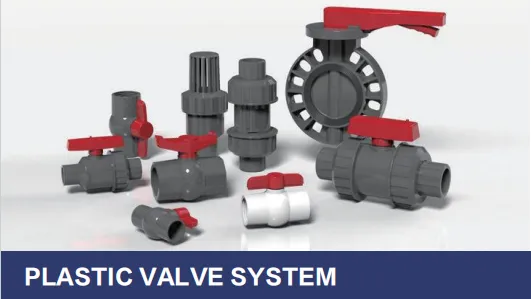
At first glance, plastic valve systems might seem like a small piece of the construction puzzle. But in reality, they're the glue that holds plumbing networks together. A plastic valve system supplier doesn't just sell valves—they offer plastic valve system solutions: tailored configurations of valves, actuators, and controls designed to work with specific pipes, pressures, and environments. When integrated into a one-stop model, these solutions become transformative, addressing three critical needs:
Imagine ordering a puzzle where every piece comes from a different brand—chances are, they won't fit. The same goes for plumbing. A one-stop plastic valve system supplier ensures that valves, pipes, and fittings are engineered to work in unison. For example, their UPVC pipes are designed with thread patterns that perfectly match their plastic valves, eliminating cross-threading or leakage risks. Their PPR pipe and fitting solutions are tested as a system, not in isolation, so contractors can install with confidence. This level of coordination isn't just convenient; it's critical for safety. In hospitals or schools, where even a small leak can disrupt operations, using mismatched components is simply not an option. By sourcing from a supplier that offers both valves and pipes, project teams avoid the guesswork and ensure compliance with strict building codes.
For a busy construction site, storage space is precious. A one-stop supplier with a wide range of products—from PVC DWV pipes to PEX fittings—can consolidate shipments, reducing the number of deliveries and the need for on-site storage. Instead of receiving valves on Monday, pipes on Wednesday, and fittings on Friday, a project can get all plumbing materials in one delivery, timed to align with the construction schedule. This not only frees up space but also reduces the risk of lost or damaged goods. For instance, a residential contractor building 50 townhouses can order bulk quantities of plastic valves, UPVC pipes, and PPR fittings in a single order, with the supplier managing inventory to ensure materials arrive exactly when each phase of construction begins. No more last-minute runs to the hardware store or frantic calls to suppliers begging for rush deliveries.
A plastic valve system supplier with in-house knowledge of pipes, fittings, and applications becomes an invaluable resource. Need to choose between PEX and PPR pipes for a commercial kitchen? Their team can explain the pros and cons of each material in the context of high-temperature, high-pressure environments. Unsure if a plastic valve can handle the chemical exposure in a laboratory? They'll recommend a corrosion-resistant option that meets ASTM D2846 standards. This expertise extends beyond product specs; it includes installation best practices, maintenance tips, and even regulatory guidance. For a hospital project requiring Class A fireproof materials, for example, the supplier can not only provide the fireproof CPL inorganic boards but also ensure the accompanying plastic valve system meets the same fire safety ratings, creating a holistic solution that passes inspections with ease.
Take, for example, a recent hospital renovation in Riyadh. The project required Class A fireproof materials throughout, including walls, ceilings, and plumbing systems. The one-stop supplier provided not just the fireproof CPL inorganic boards for the walls but also a custom plastic valve system designed to resist high temperatures and prevent flame spread. By integrating these components, the contractor avoided the risk of using a valve that met fire codes but failed to pair with the wall panels' installation requirements. The result? The project passed fire safety inspections on the first try, saving weeks of rework and ensuring the hospital could welcome patients on schedule.
The impact of integrating a plastic valve system supplier into a one-stop model ripples across the entire construction ecosystem. Let's break down how different stakeholders reap the rewards:
For homebuilders, cost and speed are king. A one-stop supplier offering plastic valve systems, UPVC pipes, and even flooring solutions allows them to reduce material costs by 10-15% through bulk ordering. Plus, with pre-tested plumbing systems, installation time for a single-family home drops from 4-5 days to 2-3 days, letting builders take on more projects annually.
Commercial projects, like shopping malls or office towers, demand scalability and durability. A plastic valve system supplier that also offers pipes fittings and high-pressure CPVC Sch80 systems ensures the plumbing can handle heavy usage. For example, a mall with 50+ restrooms needs valves that won't fail under constant use—and a one-stop provider guarantees that every valve, pipe, and fitting is up to the task.
These projects have zero tolerance for errors. Class A fireproof materials, non-toxic components, and strict hygiene standards are non-negotiable. A one-stop supplier with expertise in hospital-grade solutions can deliver everything from fireproof CPL boards to anti-microbial plastic valves, ensuring compliance with healthcare regulations and giving administrators peace of mind.
At the end of the day, property owners care about longevity and low maintenance. A one-stop solution with high-quality materials—like UV-resistant UPVC pipes and corrosion-proof plastic valves—means fewer repairs, lower utility bills, and higher property values. For example, a hotel using durable PPR pipe and fitting solutions can expect plumbing systems to last 20+ years with minimal upkeep, reducing long-term operational costs.
As construction evolves, so too will the role of one-stop suppliers. Sustainability, digitalization, and prefabrication are shaping the industry, and plastic valve system suppliers are at the forefront of these trends. Eco-friendly options like bamboo charcoal board wall panels (renewable, low-VOC) are being paired with water-efficient plastic valves to create green building packages. Digital tools, like BIM (Building Information Modeling), allow suppliers to embed product data directly into project models, ensuring every valve, pipe, and fitting is accounted for in the digital twin. And prefabricated plumbing modules—complete with pre-assembled plastic valve systems and pipes—are reducing on-site labor time by up to 40%, making projects faster and more efficient than ever.
For contractors and developers, the message is clear: the days of juggling dozens of suppliers are numbered. The future belongs to integrated solutions, where plastic valve system suppliers, pipes fittings experts, and building material specialists work together to deliver projects that are on time, on budget, and built to last. It's not just about selling products—it's about building partnerships that turn construction challenges into opportunities.
When we talk about one-stop construction material procurement, we're not just talking about convenience. We're talking about reimagining an industry that's long been held back by fragmentation. A plastic valve system supplier, as part of this model, does more than provide valves; they provide peace of mind. They turn the chaos of multiple vendors into the clarity of a single point of contact. They replace inconsistency with reliability, and delays with on-time deliveries. For the contractor racing to finish a school before the semester starts, for the developer watching a budget shrink by the day, for the homeowner dreaming of a leak-free home—this isn't just a service. It's a game-changer.
In the end, construction is about building more than structures. It's about building trust, building communities, and building a future where projects are delivered with confidence. And at the heart of that future? One-stop solutions that put integration, expertise, and partnership first. So the next time you walk into a hospital, shop in a mall, or relax in your home, take a moment to appreciate the invisible network of valves, pipes, and materials that make it all possible—brought to you by the unsung heroes of construction: the one-stop suppliers who turn complexity into simplicity, one project at a time.
Recommend Products












