
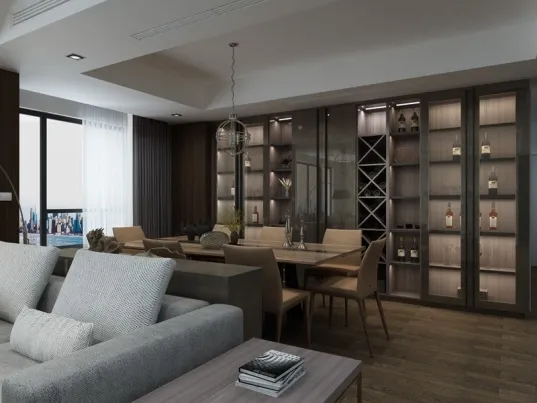
Ever stood staring at your wine bottles wondering why your fancy Cabernet tastes... off? Or maybe you're opening a wine bar and sweating over equipment choices? Choosing between a household thermostatic wine cabinet and a commercial unit isn't just about size - it's about protecting your investment and maximizing enjoyment.
Picture this: Sarah, a tech executive with a growing Bordeaux collection, kept finding her prized 2010 Margaux tasting flat. Meanwhile, Mike and Rita's new wine bar struggled with inconsistent pours during Friday night rushes. Both faced wine storage problems but needed wildly different solutions.
We're diving deep into the world of wine preservation, breaking down exactly how these cabinets differ and helping you avoid expensive mistakes. Whether you're a casual enthusiast or building a hospitality business, you'll discover how to match technology to your specific needs.
At the core of every quality wine cabinet lives its climate_control system. Think of this as the guardian angel for your vintages. Household units typically use thermoelectric cooling which gently maintains temperatures between 45-65°F. This silent technology works beautifully in living spaces without vibrating your precious sediments.
Commercial units? They're the heavy lifters. Using compressor-based systems similar to restaurant refrigerators, they can handle constant door openings in busy environments. These robust systems bounce back quickly when temperatures fluctuate - critical during Saturday night tasting events.
What really matters: Thermal recovery speed. After you grab that celebratory bottle, household units need 20-30 minutes to restore perfect conditions. Commercial beasts? Try 5-8 minutes. If your wine gets disturbed several times daily (hello, wine bar!), that recovery difference becomes everything.
Let's talk electricity bills - the silent budget killer. Household cabinets sip power like fine Chardonnay. Their energy_efficiency stems from thermoelectric systems that can run on just 50-150 watts. Translation: You could power 5 home units for what one commercial cabinet consumes.
Commercial units need that muscle though. Maintaining precise temps while recovering from frequent door openings demands 300-800 watts. Yes, commercial models offer energy-saving modes, but in hospitality environments where doors open constantly, those features rarely engage.
The money math: Run a household unit for 20 years and you might spend $300 in electricity. That commercial workhorse? Over $3,000 easy. But in a profit-generating business, proper wine service justifies that expense.
| Feature | Household Cabinet | Commercial Cabinet |
|---|---|---|
| Capacity Range | 12-200 bottles | 80-600+ bottles |
| Cooling Tech | Thermoelectric (silent) | Compressor (fast recovery) |
| Temp Zones | Usually 1, sometimes 2 | Up to 6 independent zones |
| UV Protection | Basic tinted glass | Industrial-grade UV blocking |
| Vibration Control | Advanced absorption | Minimal - focus on power |
| Door Open Alarms | Rare | Standard with remote alerts |
| Daily Bottle Access | 1-3 times | 15-50+ times |
Elena hosts monthly dinner parties showcasing regional wines. Her needs: Quiet operation near her dining area, elegant display lighting, and serving temperatures for both reds and whites.
"I nearly bought a commercial unit because everyone said 'go big'," she admits. "But living with a compressor humming through dinner conversations? No thank you! My 60-bottle dual-zone home cabinet has perfect climate_control without disrupting dinner."
Tony's 25-seat wine bar serves 60+ flights nightly. His discovery? Commercial-grade humidity control was non-negotiable. "When bottles get accessed constantly, moisture loss accelerates. We tested cheaper units and saw corks drying in weeks. Our commercial cabinet maintains 70% humidity perfectly - absolutely worth the higher energy_efficiency tradeoff."
Ever tried navigating a commercial cabinet through a standard doorway? Many require professional installation including reinforced flooring - they can weigh 400-900 lbs loaded! Household units slide into place ready for plug-and-play operation.
Maintenance tells another story. Household units need minimal care - just dust the vents quarterly. Commercial models demand quarterly condenser cleanings and specialized refrigerant top-ups every 2-3 years. Factor in $150-$400 annually for professional maintenance.
Lifespan analysis reveals surprises too. While commercial units cost more upfront, they often outlive household units 2:1. With light home use, expect 8-12 years before replacement. Commercial cabinets routinely hit 20 years in professional settings with proper upkeep.
Here's what most buyers overlook: Vibration ruins aged wines. Sediments stirred constantly damage flavor development. Household cabinets excel here with sophisticated suspension systems and thermoelectric motors that create virtually vibration-free environments.
Commercial units focus on power, leaving vibration as an afterthought. Restaurant-grade compressors deliver necessary cooling speed but create subtle tremors. For long-term aging of investment wines, this becomes critical. If you're cellaring Bordeaux for 15+ years, this alone might dictate your choice.
Test tip: Place a half-full water glass inside before buying. Watch the surface at startup. Smooth circles mean good vibration control; jagged ripples signal potential trouble for delicate older vintages.
Modern cabinets increasingly resemble smartphones. Entry-level household models offer Bluetooth connectivity and simple apps showing current temperature. Higher-end versions integrate with smart home systems like Alexa and Google Home.
Commercial smart systems become inventory managers. RFID-sensing shelves automatically track bottle removals, while digital pour counters prevent over-service. The most advanced units even integrate with POS systems, automatically updating wine lists when bottles run low.
The connectivity gap is narrowing though. New "prosumer" models target serious collectors seeking hybrid features like vibration-free aging with remote temperature alerts. The sweet spot for enthusiasts wanting restaurant-grade monitoring without industrial noise.
Let's bust a myth: Commercial units don't always cost more. A premium household cabinet holding 150 bottles might run $2,500-$4,000. Comparable commercial capacity starts around $3,800. But wait - include essential accessories and the picture shifts.
Household units work immediately after unboxing. Commercial installations typically add $800-$1,200 for professional setup, reinforced flooring, and dedicated circuits. Annually, commercial energy_efficiency differences add $150-$300 to operating costs.
Total 10-year cost comparison shows the real gap:
This explains why restaurants lease rather than buy - preserving cash flow while accessing professional-grade storage.
Still uncertain? Answer these three questions:
Under 5: Household Over 15: Commercial In-between: Consider hybrid prosumer models
Yes: Prioritize household vibration control No: Commercial acceptable
Bedroom/study adjacent: Must choose household Basement/garage: Commercial tolerable
When I helped Sarah solve her ruined Margaux mystery, we discovered her off-the-shelf beverage cooler was cycling through 10° temperature swings daily. For $1,200, she upgraded to a proper thermostatic cabinet preserving her entire collection.
Meanwhile, Mike and Rita learned the hard way when their household units failed during summer rush. Their $8,000 commercial investment paid itself back in 13 months through preserved inventory and positive reviews.
Remember these universal truths regardless of your choice:
Whether you choose household convenience or commercial toughness, what matters most is respecting the wine inside. Get the climate protection right, and every pour becomes a celebration.
Recommend Products












