
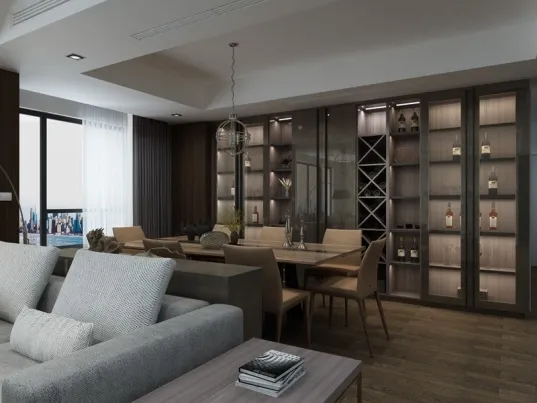
Preserve perfection from bottle to glass – your complete roadmap to hospitality wine storage excellence
Picture this: A guest orders your signature Chardonnay, anticipating those crisp pear and citrus notes that earned your restaurant its reputation. Instead? A flat, lifeless disappointment that tastes more like stale apples. The culprit? Improper storage that cost you a repeat customer and damaged your reputation. Your wine cabinet isn't just another appliance – it's your reputation protector.
Hospitality-grade wine storage solves three critical challenges:
Hospitality industry studies reveal properties with professional storage systems see 27% higher beverage revenue per occupied room compared to those using standard refrigeration. This guide walks you through exactly what separates wine preservation equipment from just keeping bottles cold.
Think of temperature like a wine's volume knob – too cold muffles flavors, too hot blows them out. Restaurant-grade units provide dual or triple zones:
| Wine Type | Ideal Range | What Happens Outside Range |
|---|---|---|
| Sparkling Wines | 5-10°C (41-50°F) | Over 12°C: Rapid bubble loss, flat texture |
| White & Rosé | 8-12°C (46-54°F) | Under 8°C: Flavors muted, aromas locked |
| Light Reds | 12-14°C (54-57°F) | Over 16°C: "Cooked" jammy notes, alcohol heat |
| Full-Bodied Reds | 14-18°C (57-64°F) | Under 14°C: Tannins feel gritty, structure collapses |
Sunlight activates riboflavin in wine, creating those infamous "wet dog" aromas. Double-paned, bronze-tinted glass filters 99% of UV rays without distorting bottle visibility.
Why the magic 60-70% humidity rule? Lower dries corks, letting air sneak in; higher risks mold. Commercial units like CoolHead's TW series include humidity sensors with auto-correction.
Industrial compressors normally vibrate like a washing machine – death for delicate sediments. Look for compressors with rubber dampeners and shock-absorbing shelving.
Corks shrink vertically, allowing precious oxygen to creep in. Full-slide racks enable all-day access without jostling neighboring bottles.
Hotel wine cabinets aren't just for today's inventory – they're for tomorrow's expansion. Always account for:
Not all cabinets solve hospitality problems. Here's how to match type to need:
Ideal for: Boutique hotels, flexible layouts
Advantages: Lower upfront cost, ventilation flexibility, easy relocation during renovations
Limitations: Space efficiency, potential temperature fluctuations if undersized
Ideal for: Luxury properties, high-volume restaurants, dedicated wine bars
Advantages: Seamless design, expanded capacity options, minimized service disruption
Limitations: Higher installation complexity, ventilation planning required
Ideal for: Properties anticipating expansion, seasonally varying inventory
Advantages: Scalable investment, adaptable configurations, future-proofing
Limitations: Interface points can create thermal gaps if poorly designed
For properties installing custom millwork or architectural solutions, our partners at Wine Guardian offer a temperature-controlled wine cabinet designed specifically for premium spaces.
A $20k cabinet underperforms if installed incorrectly. Prevent these catastrophes:
Ambient heat sources destroy efficiency. Maintain minimum clearance:
| Threat Source | Safe Distance |
|---|---|
| Commercial Ovens | 5+ feet |
| Dishwashers | 4+ feet |
| Direct Sunlight | No direct exposure |
| HVAC Vents | Not directly below |
Dedicated 20-amp circuit: Essential for compressor startups and minimizing electrical interference. Position away from heavy equipment power sources.
Top & Rear Clearance: Minimum 2" top clearance and 4" rear space for proper heat dissipation.
Your cabinet protects wine; staff habits determine success.
Harsh chemicals damage rubber seals. Use food-grade surface cleaners with:
Justify your investment with transparent economics:
| Benefit | Impact |
|---|---|
| Reduced Spoilage | 2-5% annual wine waste reduction = $800-$10,000 savings |
| Premium Sales Growth | Confidence to offer $120+ bottles = 15-40% higher margins |
| Staff Efficiency | Organized storage saves 30+ staff hours monthly |
| Energy Savings | Commercial units use 35% less power than DIY solutions |
| Reputation Value | Wine program ratings lift overall satisfaction scores |
(Average nightly covers × By-the-glass pours) × 7 days + reserve inventory buffer
Preserving your preservation system:
Hospitality partners like CoolHead Europe offer premium maintenance contracts that include emergency cellar protection – worth considering for high-volume properties.
Leading hotels now leverage:
The industry is shifting toward seamless integration of aesthetics and technology. Properties incorporating architectural design elements like decorative profiles see both functional and visual benefits.
Recommend Products












