
Walk into any successful hotel, and what's the first thing guests notice? The lobby's grand chandelier? The plush bedding? The gourmet restaurant? While these elements matter, there's an unsung hero working behind the scenes to keep the experience seamless: the plumbing system. From the moment a guest turns on the shower in their suite to the steady flow of water in the hotel kitchen, reliable plumbing is the quiet backbone of hospitality. In high-demand environments like hotels—where hundreds of guests, staff, and facilities depend on consistent water pressure, temperature control, and durability—choosing the right plumbing materials isn't just a practical decision; it's a commitment to guest satisfaction. Today, one material stands out as a game-changer for hotel plumbing: PEX (cross-linked polyethylene) pipe. Let's dive into why PEX pipe and fitting solutions have become the go-to choice for hoteliers, and how they transform the way hotels manage their most critical resource: water.
Hotels are not just buildings—they're microcosms of activity. Think about it: a mid-sized hotel with 200 rooms might host 300+ guests on any given night. Add in staff, restaurants, spas, fitness centers, laundry facilities, and even swimming pools, and you're looking at a plumbing system that never sleeps. Guest rooms alone demand constant hot water for showers, sinks, and tubs; restaurants need steady cold water for dishwashing and food prep; and laundry rooms run industrial machines that guzzle water around the clock. This isn't just "high usage"—it's variable high usage. Mornings see a surge in shower demand as guests prepare for the day; evenings bring spikes in kitchen and restaurant water needs. A plumbing system that can't handle these fluctuations risks more than just inconvenience—it risks damaged reputations. A cold shower at 7 AM or a backed-up sink in a premium suite can turn a 5-star review into a scathing complaint. For hoteliers, plumbing reliability isn't optional; it's essential. And that's where traditional materials like copper or PVC often fall short.
Copper, long a staple in plumbing, is durable but rigid. Installing copper pipes in tight hotel walls or around structural obstacles requires extensive cutting, soldering, and fitting—adding time and labor costs. Worse, copper is prone to corrosion, especially in areas with hard water, leading to leaks and reduced water pressure over time. PVC, while cheaper, lacks the temperature resistance needed for hot water lines, making it unsuitable for guest showers or hotel kitchens. Enter PEX: a flexible, resilient material designed to thrive in the chaos of high-demand plumbing. Unlike copper, PEX bends easily, reducing the need for elbows and joints (which are common leak points). It resists corrosion, scales, and freeze damage, and handles temperature swings—from icy cold to scalding hot—without cracking. For hotels, this translates to fewer maintenance calls, lower repair costs, and, most importantly, happier guests.
To understand why PEX has become a favorite among hotel engineers and contractors, let's break down its key features—ones that directly address the unique challenges of hospitality plumbing. At its core, PEX is more than just a pipe; it's a system. When paired with the right fittings, it becomes a comprehensive solution that adapts to a hotel's needs, whether you're retrofitting an old property or building a new luxury resort.
Hotel walls are packed. Between electrical wiring, HVAC ducts, and structural supports, there's little room for error when installing plumbing. Copper pipes, with their rigid nature, often require precise measurements and multiple joints to navigate tight spaces—each joint increasing the risk of leaks. PEX, by contrast, bends up to 90 degrees without kinking, allowing installers to snake pipes around obstacles with minimal fittings. Imagine a high-rise hotel where guest rooms are stacked floor-to-ceiling; PEX can be run vertically through chaseways or horizontally between studs with ease, reducing installation time by 30-50% compared to copper. For hotel construction projects, where time is money, this flexibility isn't just convenient—it's a cost-saver. Even in historic hotels, where preserving architectural integrity is key, PEX's flexibility makes retrofitting possible without tearing down walls or altering original structures.
Guests don't just want hot water—they want consistently hot water. A shower that starts scalding and suddenly turns cold is more than annoying; it's a safety hazard. PEX pipes are rated to handle water temperatures up to 200°F (93°C) and pressures up to 160 psi, making them ideal for both hot and cold water lines. Unlike PVC, which can warp or melt under high heat, PEX maintains its shape and integrity, ensuring that hot water reaches guest rooms at the desired temperature, even during peak morning hours. This stability is critical in hotel spas, where jacuzzis and steam rooms rely on precise temperature control, or in commercial kitchens, where dishwashers and steam ovens demand high-temperature water. PEX also resists thermal expansion and contraction, which means less stress on joints and a lower risk of leaks over time—essential in a building where a single leak can damage ceilings, walls, and guest belongings.
Hotel plumbing systems face constant exposure to minerals, chemicals, and varying water qualities. In regions like Saudi Arabia, where water can be high in salts or minerals, traditional copper pipes are prone to pitting corrosion—a slow, silent process that weakens pipes from the inside out. PEX, being non-metallic, is impervious to corrosion, rust, and scale buildup. Over time, this means better water flow, fewer clogs, and longer system life. A well-installed PEX system can last 50+ years, outperforming copper in many cases. For hotel managers, this translates to lower long-term maintenance costs. No more shutting down floors for pipe replacements or dealing with unexpected leaks in the middle of peak season. PEX doesn't just solve today's problems; it prevents tomorrow's.
Luxury hotels pride themselves on serenity. The last thing a guest wants to hear in their $500/night suite is the sound of water rushing through pipes in the wall. Copper pipes, being rigid and metallic, amplify water flow noise, creating a "water hammer" effect when taps are turned off suddenly. PEX, with its flexible, rubber-like texture, dampens sound, reducing noise transmission by up to 50% compared to copper. This quiet operation is a subtle but powerful detail that enhances guest comfort. Imagine staying in a hotel room next to a busy hallway; with PEX plumbing, you won't hear the shower from the room next door or the water running in the bathroom above. It's these small, unnoticeable improvements that turn a good stay into a memorable one.
Not all PEX is created equal. To reap the full benefits of PEX pipe and fitting solutions, hotels need to partner with a reputable supplier—one that understands the unique demands of hospitality plumbing. A reliable pex pipe and fitting supplier doesn't just sell products; they offer expertise, support, and a commitment to quality. So, what should hoteliers prioritize when selecting a supplier?
Hotel plumbing systems are subject to strict building codes and safety standards, especially in regions like Saudi Arabia, where regulations ensure guest and staff safety. When evaluating a supplier, look for PEX pipes and fittings certified by organizations like NSF International (NSF/ANSI 61 for drinking water safety) or the International Association of Plumbing and Mechanical Officials (IAPMO). These certifications guarantee that the products meet health and safety requirements, reducing the risk of contamination or system failure. For hotels in Saudi Arabia, partnering with a local pex pipe and fitting supplier who understands regional codes—such as those set by the Saudi Standards, Metrology and Quality Organization (SASO)—can streamline the approval process and ensure compliance from day one.
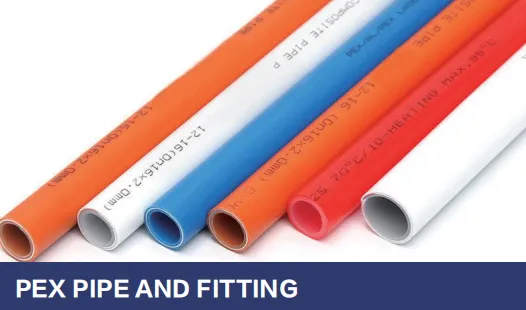
Hotels have diverse plumbing needs. A guest room's shower line requires different specifications than a laundry room's industrial water line. The best suppliers offer a range of PEX products, including PEX-A, PEX-B, and PEX-C, each designed for specific applications. PEX-A, for example, has the highest flexibility and is ideal for retrofits, while PEX-B is more rigid and cost-effective for new construction. Fittings are equally important; look for options like crimp, clamp, or push-to-connect fittings, depending on your installation needs. Some suppliers even offer color-coded pipes (red for hot water, blue for cold) to simplify installation and maintenance—a small detail that saves time during repairs or upgrades.
Installing a PEX system in a hotel is a big project. Even experienced contractors can face challenges, from sizing pipes for peak demand to designing manifold systems for individual room control. The best pex pipe and fitting suppliers don't just deliver products—they provide technical support. This might include on-site consultations, CAD drawings for system design, or training for installers on proper fitting techniques. For large-scale projects, such as a 500-room resort, having a supplier who offers project management support can make all the difference. They can help calculate material quantities, schedule deliveries to avoid delays, and troubleshoot issues during installation—ensuring the project stays on track and within budget.
To truly understand PEX's value, let's compare it to the two most common traditional plumbing materials: copper and PVC. The table below breaks down key factors like cost, installation time, durability, and maintenance—all critical considerations for hotel managers and contractors.
| Factor | PEX Pipe & Fittings | Copper Pipes | PVC Pipes |
|---|---|---|---|
| Material Cost (per foot) | $0.50-$1.50 | $2.00-$4.00 | $0.30-$0.80 |
| Installation Time | 30-50% faster than copper | Slow (requires soldering) | Moderate (gluing required) |
| Durability (Lifespan) | 50+ years | 20-50 years (prone to corrosion) | 25-40 years (not for hot water) |
| Leak Risk | Low (fewer joints, flexible design) | Moderate (multiple joints, corrosion) | Moderate (joints can loosen over time) |
| Noise Level | Low (dampens water flow noise) | High (metallic, amplifies noise) | Moderate (can vibrate) |
| Suitable for Hot Water | Yes (up to 200°F) | Yes | No (prone to warping) |
| Retrofit Friendliness | Excellent (flexible, minimal wall damage) | Poor (rigid, requires wall tearing) | Fair (rigid but lighter than copper) |
While PVC may seem cheaper upfront, its inability to handle hot water makes it useless for most hotel applications. Copper, though durable, comes with higher material and installation costs, plus the long-term risk of corrosion. PEX, with its balance of affordability, flexibility, and longevity, emerges as the clear winner for hotels. Over a 20-year period, the total cost of ownership (TCO) for PEX is often 20-30% lower than copper, thanks to reduced installation labor, fewer repairs, and lower maintenance costs.
The Challenge: A 300-room luxury hotel in Riyadh was struggling with frequent plumbing issues. Built in the 1990s with copper pipes, the property faced recurring leaks in guest rooms, inconsistent hot water pressure, and high maintenance costs. During peak season, the hotel's engineering team was spending 15+ hours per week repairing leaks or replacing corroded pipes—disrupting guest stays and damaging the hotel's reputation. The management team knew a complete plumbing overhaul was needed, but they were hesitant to shut down rooms for weeks, fearing lost revenue.
The Solution: After consulting with a local pex pipe and fitting supplier, the hotel chose to retrofit its guest room plumbing with PEX-A pipes and push-to-connect fittings. The supplier provided CAD designs to map the new system, focusing on minimizing wall damage. Installers worked in phases, targeting one floor at a time during low-occupancy periods. PEX's flexibility allowed them to run new pipes through existing wall cavities without major demolition, reducing installation time per floor to just 3 days.
The Results: Six months after the retrofit, the hotel saw dramatic improvements: leak calls dropped by 85%, hot water pressure became consistent across all rooms, and guest complaints about plumbing issues fell from 12 per month to zero. Maintenance costs decreased by 40%, and the hotel avoided over $100,000 in potential repairs over the next year. Most importantly, guest satisfaction scores rose by 15 points, with several positive reviews specifically mentioning "reliable hot water" and "quiet showers." The hotel's management team noted that the investment in PEX paid for itself within 2 years, thanks to increased repeat bookings and reduced operational costs.
The hospitality industry is evolving, and so is plumbing technology. As hotels strive to become more sustainable, efficient, and guest-centric, PEX systems are keeping pace with new innovations. One emerging trend is smart PEX systems, which integrate with building management systems (BMS) to monitor water flow, pressure, and temperature in real time. Sensors embedded in PEX pipes can detect leaks early, alerting maintenance teams before a small issue becomes a major problem. For example, a sensor in a guest room's shower line might detect a drop in pressure, indicating a developing leak, and trigger an alert—allowing staff to fix it during housekeeping hours, before the guest returns. This proactive approach not only reduces repair costs but also prevents guest disruptions.
Another trend is the use of PEX in water-saving systems. Low-flow fixtures, such as showerheads and faucets, are becoming standard in hotels, but they require plumbing systems that maintain pressure at lower flow rates. PEX's smooth interior surface reduces friction, allowing water to flow more efficiently—even with low-flow fixtures. Some pex pipe and fitting suppliers are now offering eco-friendly PEX blends, made from recycled materials, to help hotels meet sustainability goals. These green PEX options maintain the same performance as traditional PEX but with a lower carbon footprint, aligning with the growing demand for environmentally responsible building materials.
In the competitive world of hospitality, every detail counts. From the quality of the linens to the warmth of the staff, hotels go to great lengths to create memorable guest experiences. Yet, few details are as critical as reliable plumbing. PEX pipe and fitting solutions have emerged as a cornerstone of modern hotel plumbing, offering the flexibility, durability, and efficiency needed to keep up with high-demand environments. Whether you're building a new resort in Saudi Arabia or retrofitting a historic hotel in Europe, PEX adapts to your needs, reducing costs, minimizing disruptions, and ensuring that guests enjoy the seamless, comfortable stay they expect.
Choosing the right pex pipe and fitting supplier is key. Look for partners who offer not just products but expertise—suppliers who understand the unique challenges of hospitality plumbing and can provide tailored pex pipe and fitting solutions, from design to installation. With PEX, hotels aren't just upgrading their plumbing; they're investing in guest satisfaction, operational efficiency, and long-term success. After all, when your plumbing works quietly in the background, guests can focus on what matters most: enjoying their stay. And in the world of hospitality, that's the ultimate measure of success.
Recommend Products












