
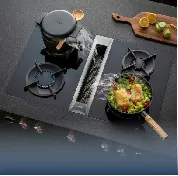
If your hotel kitchen were an orchestra, the stove would be the conductor. It's where raw ingredients transform into memorable dining experiences, where culinary magic happens under pressure. But just like a maestro needs an ensemble, your stove needs a supporting cast of equipment to truly shine.
Over years of helping hoteliers optimize their kitchens, I've seen too many make expensive mistakes by overlooking key components. The difference between a chaotic kitchen and a well-oiled machine often comes down to having the right tools around your stove. When you nail this setup, your team works smoother, guests get better meals, and you save money in the long run.
Let's walk through exactly what you need to create a powerhouse cooking station that delivers consistency meal after meal, day after day.
Not all stoves are created equal, and your choice impacts everything from energy bills to menu flexibility. You've got three main options:
Stove Shopping Reality Check: Don't just count burners - measure their spacing. You need enough room for multiple staff to work simultaneously without elbow battles. For most hotel kitchens, 60-inch wide ranges with 6+ burners hit the sweet spot.
Even the best stove underperforms without these essential partners nearby:
The distance between your stove and refrigerator matters more than you think. Here's how to arrange your main cooking area:
The Golden Triangle Rule: Your stove, main prep surface, and primary refrigeration should form a triangle with sides no longer than 6 feet total. This minimizes unnecessary steps during busy services.
Workflow Zones:
Safety Essentials:
These upgrades pay dividends in efficiency and staff satisfaction:
Game-changers for banquet operations. Program them to slow-cook meats overnight at precise temps so proteins are ready-to-serve at peak tenderness.
The ultimate multitaskers that steam, bake, or combine both functions. Perfect for hotels with diverse menus needing to cook multiple dish types simultaneously.
Flat-top griddles with adjustable temperature zones let you sear steaks while warming tortillas simultaneously on the same surface.
Dedicated sandwich stations relieve pressure from main ranges during lunch rushes.
A neglected stove becomes a budget-draining liability. Implement these practices:
Staff Training Moment: Use "clean as you go" stainless steel utility carts positioned near cooking stations. Having designated cleaning supplies within reach doubles compliance with safety protocols.
Emerging technologies changing how hotel kitchens operate:
Ranges that track burner usage patterns and alert managers about abnormal heat patterns indicating potential component failure.
"Stove, reduce heat to medium on burner 4" commands keep hands-free cooking safer when multitasking.
AI systems adjusting fan speeds based on actual cooking emissions rather than timers, cutting power use by 15-30%.
Your hotel stove is more than an appliance - it's the heartbeat of your food operation. By surrounding it with the right partners like robust ventilation, efficient refrigeration, and smart prep stations, you create an environment where culinary teams can thrive.
The most successful hotel kitchens I've seen treat their cooking station as an evolving ecosystem. They start with quality core equipment like commercial-grade stoves, then add specialized tools like combi ovens as menu needs expand. They prioritize workflow by keeping essential tools within arm's reach of the stove but maintain clear safety zones.
Remember: Great cooking equipment doesn't replace skill, but poor equipment can cripple even talented chefs. Invest wisely in your stove and its supporting components, maintain them religiously, and watch both your guest satisfaction scores and kitchen efficiency rise. The path to memorable hotel dining starts right at the burner.
Recommend Products












