
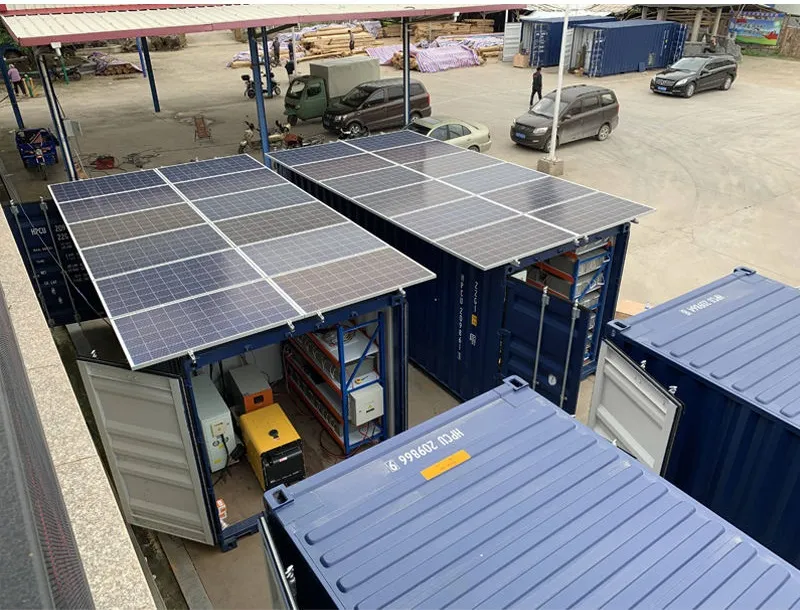
Picture this: You arrive at a beautiful resort surrounded by nature, check in at the lobby cooled by geothermal systems, take an elevator powered by renewable energy, and finally relax in a room where your phone charges using solar energy. This isn't science fiction – it's today's reality in forward-thinking hotels worldwide.
The hospitality industry is in the midst of an energy transformation. As travelers become increasingly environmentally conscious, hotels are answering the call with innovative solar solutions. This shift isn't just about "going green" – it's about creating efficient, self-sufficient properties that boost profits while protecting our planet.
"Sustainability is no longer a niche preference – it's a guest expectation. Hotels that embrace solar technology aren't just reducing their environmental footprint; they're positioning themselves as industry leaders for the eco-conscious traveler of today and tomorrow." - Hospitality Sustainability Expert
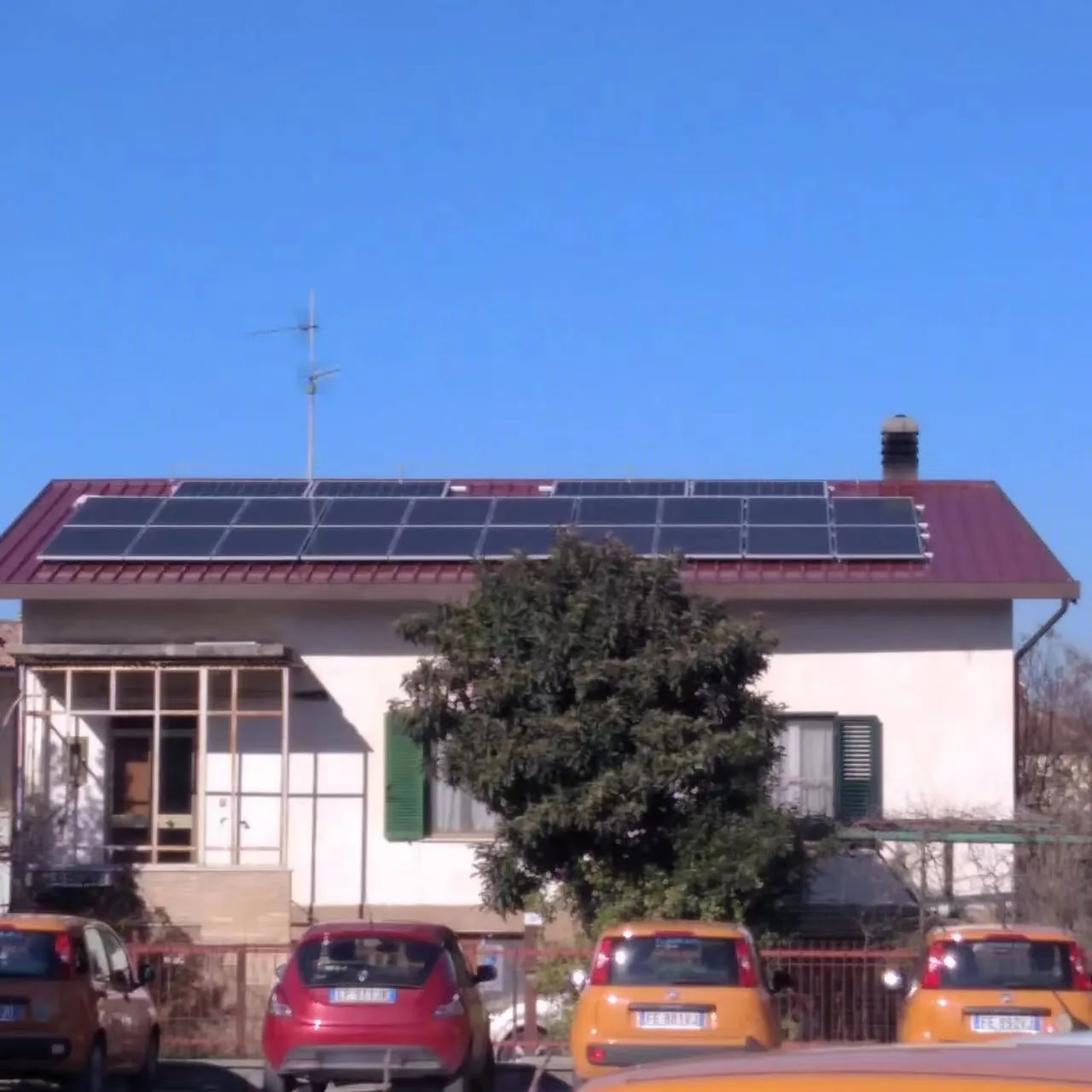
Solar power isn't just kind to the environment – it's great for the bottom line. Hotels are energy-intensive operations with pools, spas, kitchens, and 24/7 climate control demands. Solar installations can slice 30-60% off energy bills, turning overhead into profit. When combined with energy efficient appliances , these savings become substantially greater. It's like installing a money-printing machine on your roof that works while guests sleep.
Solar arrays typically pay for themselves in just 3-7 years through energy savings, incentives, and tax credits. After payback, it's almost pure savings – not to mention protection against future energy price hikes. This predictable cost structure is particularly valuable in hospitality's often volatile market.
Modern travelers don't just notice sustainability efforts – they actively seek them. Booking.com reports that 65% of global travelers want to choose eco-friendly options. A distinctive solar array becomes a visual commitment that's impossible to fake, translating directly to:
Climate change brings extreme weather events that can disrupt operations. Solar installations with battery backups provide critical energy security during outages, powering essential operations when the grid goes down. This resilience has moved from nice-to-have to essential infrastructure in vulnerable coastal areas and wildfire-prone regions.
Beyond emergencies, solar offers stability in remote resorts where grid access is unreliable. Properties from island bungalows to mountain lodges no longer depend on expensive diesel generators and complicated supply chains for fuel.
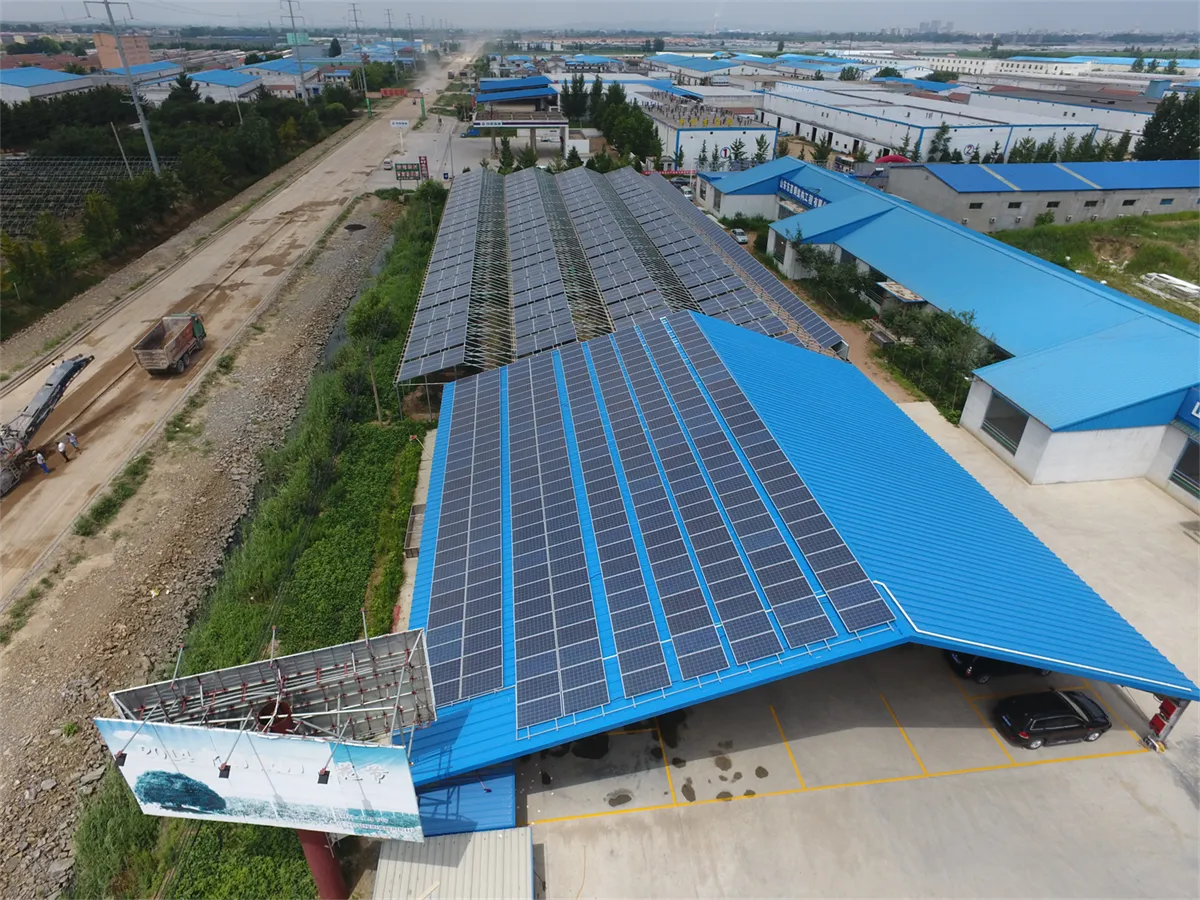
This luxury property sits in Napa Valley with 62 solar panels integrated into its aesthetic design, generating 200,000 kWh annually. Beyond panels, they implemented solar pool heating and lighting automation. Their comprehensive approach has resulted in:
On Tetiaroa Atoll, this exclusive resort pairs solar arrays with seawater cooling for 100% renewable energy. Guests see real-time energy dashboards displaying their eco-impact. Sustainability features prominently in their $3,500/night positioning with notable benefits:
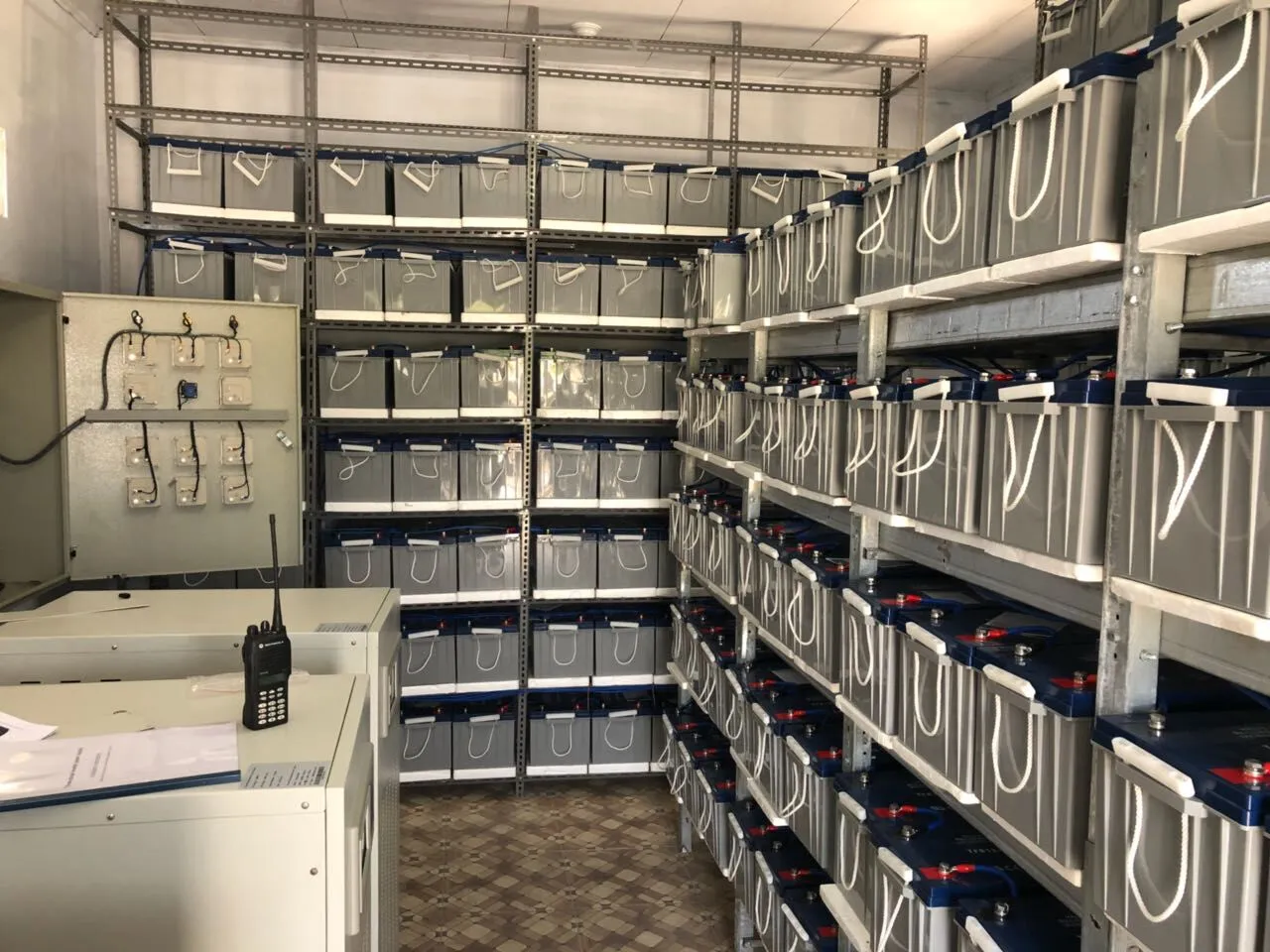
Not every hotel roof is ideal for solar, but innovative solutions open possibilities:
A professional assessment considers sunlight hours, shading factors, structural capacity, and local regulations. The key? Start with your highest energy-consuming areas - typically laundry facilities, kitchens, and pools.
Solar installation should minimize guest disruption. Smart hotels schedule major work during off-peak seasons and use temporary screening during installation phases. New constructions have the advantage of incorporating solar into initial designs - like the Costa Rica property that built its distinctive wavy roof specifically to maximize solar collection.
The price tag shouldn't deter smart operators with multiple creative funding options:
Leading resorts often share that their solar initiatives were cash-flow positive from day one when factoring in all available incentives and immediate energy savings.
Simply installing panels isn't enough - the smartest hotels turn their investment into marketing gold:
The Experience Factor: Luxury properties educate guests through sustainability tours showing their solar installations alongside organic gardens and water conservation systems. Some add rooftop "eco-bars" surrounded by panels, creating Instagram-worthy moments.
Digital Storytelling: Interactive dashboards in lobbies and apps show real-time energy generation and consumption. GuavaPass Resort in Bali features daily stats on avoided emissions - currently showing "equivalent to planting 1,274 trees today."
Room Level Impact: Why not show guests their individual footprint? Solar-powered properties can estimate emissions avoided during each stay and offer options to offset remaining impact - a powerful psychological tool.
"Our solar panels became our most photographed feature - not just for their function, but for what they represent. We made clean energy beautiful with architectural integration, creating our most requested tour experience." - Resort Manager, Solar-Powered Eco-Resort
The next wave of solar integration is already taking shape in hospitality:
Smart Grid Integration: Using AI to balance solar generation with battery storage and guest usage patterns, optimizing every kilowatt.
Vehicle Charging Integration: Solar canopies that power EV stations as rental car companies and guests increasingly go electric.
Transparent Solar Tech: New photovoltaic windows and skylights that generate power without blocking views - ideal for lobbies and suites.
Carbon Accounting Tools: Automated systems tracking solar's carbon reduction impact directly tied to financial reporting.
Despite compelling advantages, hesitations remain:
"Historical Buildings Can't Adapt": Heritage properties use creative workarounds. The Willard InterContinental in Washington installed panels on modern additions, while The Peninsula Paris powers back-of-house exclusively through off-site solar partnerships.
"We Lack Expertise": Specialized consultants bridge this gap, analyzing your property's needs and managing the entire process from permitting to activation.
The sun provides more than picturesque vacation sunsets - it offers hotels a powerful competitive advantage. Solar technology has moved from experimental to essential, delivering proven financial returns while answering the growing guest demand for responsible hospitality. The question has shifted from "Why solar?" to "Why not now?"
Hotels that embrace this shift gain more than reduced bills - they build resilient operations and unforgettable brand stories. They become leaders rather than followers in an industry where sustainability has moved from optional amenity to core expectation.
The most forward-thinking operators already see beyond solar to complete ecosystems where energy efficiency, water stewardship, sustainable dining and regenerative tourism create destinations guests feel good about enjoying. This holistic transformation starts with a simple but powerful step: looking up at your unused rooftop space and seeing it not just as shelter, but as a productive asset.
"Today's guests vote with their dollars for the world they want to see. They're choosing hotels that don't just minimize harm but actively contribute to regeneration. Solar panels are a visible, measurable commitment to that mission." - Sustainable Travel Advocate
Recommend Products












