
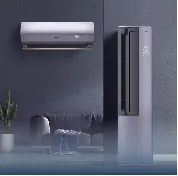
Imagine walking into your hotel lobby on a scorching summer day. The cool air wraps around you like a welcome hug, the lights cast a warm glow without blinding you, and the refrigerators hum quietly but powerfully. Now imagine knowing that this comfort costs less than half what it did before upgrades. That's the magic of smart energy renovation.
Hotels are energy-hungry beasts. Studies show energy accounts for 5-10% of operating costs - that's like setting $2,200 per room on fire annually. Worse? Many properties consume 3-5 times more energy per square foot than office buildings. With rising energy prices and eco-conscious travelers demanding sustainable options, efficiency isn't just smart – it's survival.
Most hotels hemorrhage energy through three main systems:
Real World Win: The Hilton Amsterdam reduced energy consumption by 24% through HVAC optimization alone – equivalent to powering 160 homes annually.
You can't fix what you haven't measured. A professional energy audit is like a medical checkup for your building. Experts use thermal cameras to spot heat leaks and monitor systems to identify energy vampires. The Marriott chain discovered that 70% of their properties had at least three major inefficiencies an untrained eye would never catch.
"Our audit revealed $18,000/year in wasted energy just from old gym equipment left plugged in 24/7. That paid for the entire lighting renovation!" – Hotel Manager, Miami Beach Resort
Most hotel HVAC systems still operate like 1970s gas guzzlers. They blast full power regardless of occupancy, leak cooled air through poor insulation, and drain power through inefficient compressors. The result? Billions wasted globally on cooling empty rooms.
Variable Speed Drives (VSDs): These genius devices adjust compressor speed to match actual demand. Instead of constantly turning on/off like a stressed waiter, they work smarter. Real-world savings: 25-30% reduction in AC energy use.
The Peninsula Chicago installed VSDs across their HVAC systems and reduced energy consumption by 28% while actually improving guest comfort scores by eliminating temperature swings.
Smart Room Controls: Occupancy sensors and smart thermostats learn guest patterns. They know to cool room 304 before check-in and let unoccupied rooms settle into eco-modes. Combined with upgraded building insulation materials, these can slash AC bills by 35%.
Energy Recovery Ventilators (ERVs): These recycle up to 93% of energy from exhaust air. Perfect for lobby areas with constant door traffic.
Kitchens and minibars hide energy monsters. Older units work twice as hard because of:
One Las Vegas casino discovered their walk-in fridge was costing more to run annually than a junior staff salary!
EC Motor Upgrades: Electronically Commutated motors use 70% less power than standard motors while running cooler and quieter. Perfect for constantly-running kitchen refrigeration.
Smart Defrost Systems: Traditional units use timers to melt ice buildup – wasting energy defrosting when unnecessary. Sensor-based systems only activate when needed.
After upgrading to EC-equipped refrigerators, The Ritz-Carlton Naples reported a 40% energy drop in kitchen cooling costs while eliminating the "refrigerator hum" complaints from nearby guest rooms.
Lighting is the most underrated energy culprit. Many hotels still use incandescent bulbs in fixtures – basically turning electricity into heat rather than light. Upgrades offer:
Parking Lot LED Conversion: These lights burn all night – the fastest payback investment. Switching to LEDs saves $800/light/year at some properties.
Back-of-House Opportunities: While lobbies get upgraded, maintenance areas often keep ancient fluorescents. Upgrading staff-only zones brings huge savings unnoticed by guests.
Smart Controls:
Use three technologies together:
-
Occupancy sensors
for closets/storage
-
Photocell systems
for outdoor lighting
-
Daylight harvesting
in sunny spaces like atriums
Design Tip: Use 3000K LEDs in guest rooms for warm, flattering light and 4000K in workspaces for alertness – it makes both staff and guests happier.
Water heating accounts for 19% of hotel energy costs. Innovations like:
The Mandarin Oriental cut water-heating costs by 32% without guests noticing any difference.
Great insulation stops energy leaks. Smart fixes include:
Solar panels now pay back in 4-7 years for hotels with large rooftops or adjacent land. Rural properties especially benefit from ground-mounted arrays.
These are the "mission control" for efficiency. Modern EMS platforms provide real-time consumption dashboards, automated equipment scheduling, and maintenance alerts.
Your guests can help without sacrificing comfort:
The Sheraton Portland increased guest participation from 12% to 88% by changing their towel card message from "Help the environment" to "Join 79% of guests helping us save energy".
Emerging technologies will further transform efficiency:
Final Tip: Track your energy intensity (kWh per occupied room) monthly – it gives a true picture beyond seasonal variations.
Hotels that have embraced comprehensive renovation programs are seeing remarkable results. The Hyatt chain reported properties reducing energy use by 30-40% while simultaneously improving guest satisfaction scores by up to 15 points. This transformation isn't just about saving money – it's about building resilient, sustainable businesses ready for the future.
The journey starts not with a massive overhaul, but with a single LED bulb replacing an incandescent. That small spark of change, multiplied across hundreds of fixtures and systems, becomes the glow of transformation that guests notice and appreciate – all while keeping more money where it belongs: in your operations budget.
Recommend Products












