
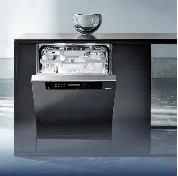
Ever stopped to think what separates a good hotel experience from a great one? It's in those little details that guests never comment on - like spotless glasses and gleaming silverware. That's where your commercial dishwasher comes in. More than just another appliance, it's the silent workhorse that maintains hygiene standards while keeping your operation flowing smoothly.
Through years of working with hotel kitchens, I've seen how the dishwasher choice makes or breaks service efficiency. It's not about getting the biggest machine with the most buttons, but finding the right match for your specific operation. From compact 200-room boutiques to sprawling 1000-room resorts, each has unique needs. Get this decision wrong and you'll see backups during dinner rush, longer cleanup shifts, and unhappy staff.
Imagine this typical Saturday night: dinner service just ended, banquet trays are piling up, and tomorrow's breakfast setup begins in 5 hours. At this critical moment, your dishwasher isn't just cleaning dishes - it's safeguarding your reputation. Hotels average 3-5 dish cycles per guest daily across restaurants, room service, and events. That means your machine might process 5,000+ items in a single dinner shift.
Reduction in labor hours with efficient dishwashers
Longer equipment lifespan with professional-grade machines
Of hotel guests notice dishware cleanliness
But here's what most managers miss - your dishwasher directly impacts three crucial areas:
First, operational flow . During a packed breakfast buffet, the difference between a 60-second and 90-second cycle time means serving 50% more guests before coffee runs out. Second, labor costs . A well-chosen machine can trim 15 staff hours weekly just by reducing the scrubbing pre-wash demands. Third, consistency . That sparkling wine glass? Guests expect perfection every time.
The conveyors humming away in Vegas resorts aren't just impressive - they're volume monsters capable of processing 15,000 plates hourly. Designed like miniature car washes, they transport racks on belts through cleaning zones. We installed one at a 400-room convention hotel where banquet operations were collapsing under dish load. After installation, they went from 3-hour cleanups to 45 minutes post-event.
▪ Large banquet operations
▪ Properties with multiple F&B outlets
▪ 24-hour casinos and resorts
▪ Hobart AM 15 Series
▪ Ecolab EC60
▪ Winterhalter UC Series
▪ Needs 15-20 ft length
▪ $30,000-$60,000 range
▪ Plan for drainage/utility mods
Real Example: The Grand Plaza Hotel transitioned from multiple door-type machines to a single conveyor system. Results? 42% less water usage, 30% shorter cleanup times, and 55% energy savings. Staff satisfaction jumped because they weren't stuck washing till midnight anymore.
For most hotels, this is the sweet spot. Hood-types have that iconic top hatch that flips open where you load racks vertically. What they lack in speed compared to conveyors, they gain in kitchen adaptability. I've squeezed them into spaces barely larger than a refrigerator.
The real magic comes with rack configuration flexibility. Unusual items like chafing dish lids that jam conveyor systems? No problem here. At the Urban Boutique Hotel, chefs load oversized champagne buckets directly in without disassembly.
Buyer Tip: Look for models with adjustable rack heights and fold-down tines. The Meiko EcoStar's convertible racks handle anything from espresso cups to soup tureens without changing basket setups - crucial during turnover crunch times.
▪ Meiko EcoStar
▪ Jackson WSD-50
▪ CMA Dishmachines DX Series
▪ Mid-size properties (150-300 rooms)
▪ Limited kitchen footprints
▪ Operations with varied dish types
▪ 120-300 racks hourly
▪ $8,000-$20,000 price range
▪ Just 4-6 sq. ft. footprint
Don't overlook these compact heroes. While they won't handle your banquet load, they solve specific pain points beautifully. Consider the coffee shop that can't bus dishes to the main kitchen - installing an undercounter unit eliminates staff cross-traffic. Or room service needing quick utensil turnover during continental breakfast crunch.
Best Application: Satellite outlets (lobby bars, pool bars, executive lounges) where small-batch washing beats running partial loads in main machines
Space Advantage: Fits below standard 36" counters and occupies zero premium floor space
Top pick? The Winterhalter GS Series integrates seamlessly under counters while delivering 80-100 racks/hour. Pair with disposables during peak times and you've solved the small-space washing dilemma.
Popular in Asia but gaining traction globally, these combine tunnel efficiency with compact layouts. How? By stacking wash zones vertically rather than horizontally. The Mayfair Suites installation we consulted on replaced two failing door-types with one Long Dragon unit. Maintenance costs dropped 60% while capacity increased 40%.
▪ Modular temperature zones
▪ Advanced filtration systems
▪ Reduced water consumption
▪ Expanding banquet operations
▪ Energy efficiency priorities
▪ Hard water challenges
Spec sheets tell part of the story, but these operational factors determine real-world success:
Hard water leaves spots; soft water prevents detergent activation. Know your ppm (parts per million mineral content). Vegas properties run 300+ ppm requiring chemical boosters. Seattle's 50 ppm soft water needs different detergent formulations. Solution? Most manufacturers offer local water testing.
Pro Tip: Winterhalter's AquaCheck system auto-adjects based on water conductivity readings. For high-variance properties, these save countless re-washes.
Not all racks work with all machines. Standard dimensions (500x500mm) don't guarantee compatibility. At the Coastal Resort, we discovered their custom oval platters wouldn't fit any conveyor racks. Custom rack solutions added $7,000 to the project.
That 65 dB dishwasher? Perfect for basement kitchens. But open-concept bistos near guest areas require <65 dB models like the Jackson QuietWash series. The difference between 65 dB and 72 dB is about 4× perceived loudness.
With equipment lifespans exceeding 10 years, choose with tomorrow in mind:
Hobart's iO Series texts maintenance alerts while tracking detergent/water use by shift
New CMA models allow adding sanitizing modules later without buying new machines
Ecolab's latest cuts consumption to just 0.08 gal/rack - less than half industry standard
Forward Thinking: The Renaissance EcoHotel installed smart dishwashers that sync with occupancy forecasts. During 40% occupancy weeks, they disable unused zones, saving 31% on utilities. Investment paid back in 14 months.
Remember the boutique hotel with constant dish jams? We switched them from a conveyor system to three strategically placed hood-types: one near banquet, one in main kitchen, one by pastry. Result? 78% reduction in dish-related service delays.
The perfect hotel dishwasher doesn't exist - but the perfect solution for YOUR hotel does. Match equipment to your specific menu items, service patterns, staff skills, and yes, even your water chemistry. When chosen strategically, this unsung hero delivers sparkling ROI - both in clean glassware and smoother operations.
Ready to transform your wash station? Start tomorrow: time staff dish processing during peak dinner service. Multiply cycles × items to calculate true throughput needs. That number might surprise you - and point to your ideal solution.
Recommend Products












