
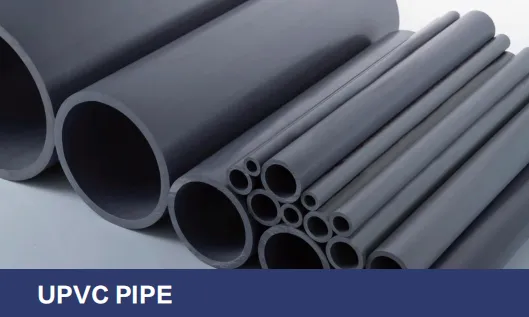
When we talk about luxury hotels, beachfront resorts, or boutique guesthouses, the first things that come to mind are often the stunning interiors, gourmet restaurants, or panoramic views. But behind every memorable guest experience lies a silent hero: the building's infrastructure. Plumbing systems, in particular, are the unsung backbone of hospitality. From the hot water that fills a guest's morning shower to the efficient drainage that keeps kitchens and bathrooms running smoothly, these systems ensure comfort, hygiene, and functionality. In recent years, one material has emerged as a game-changer in this space: UPVC (Unplasticized Polyvinyl Chloride). Let's dive into why UPVC pipe solutions have become the go-to choice for hotel and resort construction, and how they're reshaping the industry.
Think about the last time you stayed at a hotel. Did you notice if the water pressure in the shower was steady? Or whether the sink drained quickly after washing your hands? Chances are, you only took note if something went wrong. A leaky faucet, a clogged drain, or inconsistent water temperature can turn a 5-star stay into a 1-star review faster than you can say "room service." For hospitality businesses, where reputation is everything, plumbing isn't just a utility—it's a critical component of guest satisfaction.
Hotels and resorts face unique plumbing challenges. They have high water demand: hundreds of rooms, each with bathrooms, plus commercial kitchens, swimming pools, spas, and laundry facilities. The plumbing system must handle continuous use, varying water pressure, and exposure to chemicals (like cleaning agents in housekeeping). Add to that the need for long-term durability—hotels are built to last decades—and the pressure to keep maintenance costs low, and it's clear: choosing the right piping material isn't just a construction decision; it's a business one.
UPVC pipes aren't new, but their adoption in the hospitality sector has surged in recent years. Unlike regular PVC, which is plasticized for flexibility, UPVC is rigid, strong, and free from plasticizers that can degrade over time. This makes it ideal for high-pressure applications like water supply and drainage. But what exactly sets UPVC apart from traditional materials like copper, galvanized steel, or even PPR (Polypropylene Random Copolymer)? Let's break it down.
Hotels and resorts are tough on plumbing. Coastal properties deal with saltwater exposure, while urban hotels face hard water with high mineral content. Chlorine from swimming pools, detergents from laundry rooms, and acidic cleaning agents in kitchens—all these can take a toll on metal pipes, leading to rust, corrosion, and leaks. UPVC, however, is inherently resistant to corrosion. It doesn't react with water, chemicals, or salt, making it perfect for both indoor and outdoor installations. This resistance isn't just about longevity; it's about avoiding costly replacements and disruptive repairs that could inconvenience guests.
Construction timelines in hospitality are tight. Developers aim to open new properties as quickly as possible to start generating revenue, and renovations need to happen during off-seasons to minimize downtime. UPVC pipes are lightweight—far lighter than copper or steel—making them easier to transport, handle, and install. Unlike metal pipes, which require welding or soldering, UPVC pipes use simple solvent cement or rubber ring joints, reducing labor time and skill requirements. For a 200-room hotel, this can translate to weeks shaved off the construction schedule and significant savings on labor costs.
Budget is always a concern in construction, and hospitality projects are no exception. While some materials may have lower upfront costs, UPVC shines when you look at the total cost of ownership. Let's compare: Copper pipes, for example, are durable but expensive to buy and install. Galvanized steel is prone to rust and requires frequent maintenance. UPVC, on the other hand, has a lower initial cost, minimal installation expenses, and almost zero maintenance needs. There's no need for painting, coating, or corrosion treatments. Over the 30-50 year lifespan of a hotel, these savings add up—freeing up funds for guest-facing amenities that drive bookings.
UPVC isn't a one-trick pony. Its versatility makes it suitable for a range of plumbing needs in hospitality settings. Let's explore the key applications where UPVC pipe solutions are making the biggest impact.
Guest rooms, restaurants, and common areas all need a steady supply of clean, potable water. UPVC pipes are ideal for cold water supply lines, thanks to their smooth inner surface that minimizes friction and ensures consistent water pressure. Unlike metal pipes, which can develop scale buildup over time (reducing flow and increasing energy costs for water pumps), UPVC's non-porous surface resists scaling. This means that even after years of use, the water pressure in a hotel's 10th-floor suite will be just as strong as in the ground-floor lobby.
If water supply is the "in" flow, drainage is the "out" flow—and it's just as critical. Hotels generate a lot of wastewater: from showers and sinks in guest rooms to dishwashers and floor drains in commercial kitchens. This is where PVC DWV (Drain, Waste, and Vent) pipes come into play. Designed specifically for drainage, these pipes are larger in diameter and built to handle solid waste and high flow rates. UPVC DWV pipe solutions are particularly popular here because they're smooth, which prevents clogs, and resistant to the harsh chemicals found in wastewater (like food oils, soaps, and cleaning agents). A reliable DWV system isn't just about avoiding backups; it's about maintaining hygiene and preventing unpleasant odors from spreading through the building—something no hotel guest wants to encounter.
Many resorts and luxury hotels feature swimming pools, hot tubs, or spa facilities—environments where pipes are constantly exposed to water and chemicals like chlorine. Metal pipes would corrode quickly here, but UPVC thrives. Its resistance to chemical degradation and UV rays (when properly insulated) makes it a top choice for pool circulation systems. Whether it's moving water from the pool to the filtration system or draining excess water after a rainstorm, UPVC pipes ensure these amenities stay operational year-round with minimal maintenance.
Behind the scenes, hotels have industrial laundry rooms that wash hundreds of sheets, towels, and uniforms daily. These facilities use high-temperature water and strong detergents, putting extra strain on plumbing. While PPR pipes (a common alternative) are better suited for hot water, UPVC still plays a role here—often for cold water supply lines and drainage. For example, the cold water that feeds into washing machines or the wastewater that drains out can be efficiently handled by UPVC, keeping costs low without sacrificing performance.
To truly understand why UPVC pipe solutions are dominating hospitality construction, let's compare them to other commonly used materials. The table below breaks down key factors like cost, durability, and maintenance:
| Material | Initial Cost | Installation Time | Durability (Lifespan) | Corrosion Resistance | Maintenance Needs |
|---|---|---|---|---|---|
| UPVC | Low | Fast (no welding/soldering) | 50+ years | Excellent (resists water, chemicals, salt) | Minimal (no scaling, rust, or painting) |
| Copper | High | Slow (requires soldering) | 50+ years | Good (but prone to corrosion in acidic water) | Moderate (may need descaling; vulnerable to pinhole leaks) |
| Galvanized Steel | Medium-High | Slow (heavy, requires threading) | 20-30 years | Poor (rusts over time) | High (prone to clogs from rust; needs frequent replacement) |
| PPR | Medium | Moderate (heat fusion required) | 40-50 years | Good (resists chemicals, but not UV rays) | Low (but more expensive than UPVC for cold water use) |
As the table shows, UPVC pipe solutions offer a winning combination of affordability, durability, and low maintenance—factors that align perfectly with the hospitality sector's needs. While materials like PPR have their place (e.g., hot water lines), UPVC remains the most cost-effective and reliable choice for most plumbing applications in hotels and resorts.
Let's take a real-world example. A 300-room beach resort in Jeddah, Saudi Arabia, was facing frequent plumbing issues just five years after opening. The original galvanized steel pipes in the drainage system were rusting, leading to clogs and unpleasant odors in guest hallways. Maintenance teams were spending 10+ hours weekly unclogging drains, and guests were starting to complain. The resort's management decided to invest in a full plumbing upgrade—and they chose UPVC pipe solutions.
Working with a local upvc pipe supplier, they replaced all drainage lines with UPVC DWV pipes and upgraded the cold water supply lines to UPVC as well. The installation took just three weeks (a fraction of the time it would have taken with copper), and the results were immediate. Clogs dropped by 90%, maintenance costs fell by 65%, and guest complaints about drainage issues vanished. Today, five years later, the resort's plumbing system is still running smoothly, with no signs of corrosion or wear. "We wish we'd chosen UPVC from the start," said the resort's facilities manager. "It's been a game-changer for our operations and our guests' experience."
Not all UPVC pipes are created equal, and the right supplier can make all the difference. When selecting an upvc pipe supplier for a hotel or resort project, there are a few key factors to consider:
Look for suppliers whose products meet international standards, such as ASTM (American Society for Testing and Materials) or ISO (International Organization for Standardization). Certifications ensure that the pipes are tested for strength, pressure resistance, and chemical stability. For example, a reputable pvc dwv pipe supplier will provide pipes that comply with ASTM D2665 (the standard for PVC DWV pipes), giving you peace of mind that they'll perform as expected.
Hotels have diverse plumbing needs, so choose a supplier that offers a full range of UPVC pipe solutions: from small-diameter pipes for guest room sinks to large-diameter DWV pipes for commercial kitchens. Some suppliers also offer custom solutions, like pre-insulated pipes for outdoor installations (important for resorts in cold climates) or color-coded pipes for easy identification during maintenance.
Plumbing systems in hotels are complex, and even the best pipes need proper installation. A good supplier should offer technical support, including installation guides, on-site training for contractors, and help with system design. For example, if you're unsure whether UPVC or PPR is better for a specific area (like a high-temperature laundry room), a knowledgeable supplier can provide guidance based on your needs.
Construction delays are costly, so choose a supplier with a proven track record of on-time delivery. Look for suppliers with local warehouses or partnerships, as this ensures faster access to materials. A supplier who can deliver pipes within 48 hours of an order can save your project from costly downtime.
As the hospitality sector continues to evolve—with a growing focus on sustainability, smart technology, and guest experience—UPVC pipe solutions are evolving too. Manufacturers are developing new UPVC blends that are even more durable and eco-friendly (some are now recyclable). There's also a trend toward "smart pipes" with built-in sensors that can detect leaks or pressure drops in real time, allowing hotels to address issues before they become problems. For resorts in remote areas, lightweight UPVC pipes are making it easier to install plumbing in off-grid locations, opening up new possibilities for hospitality development.
At the end of the day, hospitality is about creating memorable experiences. And while guests may never see the pipes behind the walls, they'll certainly notice if those pipes fail. UPVC pipe solutions offer hotels and resorts a winning combination of durability, cost-effectiveness, and reliability—making them an investment in both guest satisfaction and long-term business success. Whether you're building a new beachfront resort or renovating a historic hotel, choosing the right upvc pipe solutions and supplier can transform your plumbing from a potential headache into a silent asset.
So the next time you check into a hotel and enjoy a hot shower with perfect water pressure, or a meal in a kitchen where the sinks drain in seconds, take a moment to appreciate the UPVC pipes working behind the scenes. They may not be glamorous, but they're the reason your stay is seamless, comfortable, and unforgettable.
Recommend Products












