
Hospitals are more than just buildings—they're lifelines. Every corridor, room, and system works together to keep patients safe, comfortable, and on the path to recovery. But there's one unsung hero that often goes unnoticed until something goes wrong: the plumbing system. From delivering sterile water to operating rooms to ensuring clean handwashing stations in waiting areas, plumbing is the silent backbone of hospital hygiene. And in a space where even the smallest contamination can have life-threatening consequences, choosing the right materials isn't just a preference—it's a responsibility. That's where PEX pipes and fittings come in, and why forward-thinking hospitals are increasingly turning to reliable pex pipe and fitting suppliers for tailored solutions.
Let's start with the basics: hospitals aren't your average building. They're high-stakes environments with round-the-clock operations, strict regulatory standards, and a constant flow of people—patients, staff, visitors—all relying on seamless systems. When it comes to plumbing, this means facing challenges that most commercial or residential buildings never encounter.
For years, hospitals relied on traditional materials like copper or PVC to meet these demands. But as medical facilities evolve, so do their needs—and it's becoming clear that not all plumbing materials are created equal.
Enter PEX (cross-linked polyethylene) pipes and fittings. You might have heard of PEX in residential plumbing, where its flexibility and affordability made it a hit. But in hospitals, PEX is gaining traction for far more critical reasons. Let's break down why:
PEX pipes are made by cross-linking polyethylene molecules, creating a material that's both flexible and strong. Unlike rigid copper or PVC, PEX can bend around corners, reducing the need for elbow joints (which are common leak points). Its smooth inner surface minimizes friction, preventing clogs and ensuring consistent water flow. And because it's resistant to corrosion and scale buildup, it maintains water quality over time—no rust flakes or mineral deposits in the water supply.
But the real advantage for hospitals? PEX handles temperature extremes better than most materials. It can withstand hot water up to 200°F (93°C) and freezing temperatures without cracking, making it ideal for both sterilization processes and preventing burst pipes in unheated utility rooms.
Not all PEX is the same, and choosing the right type for hospital use matters. Let's demystify the options:
There are three main types of PEX pipes, classified by their cross-linking method:
A pipe is only as good as its connections. PEX fittings come in several styles, each with pros and cons for hospital use:
All PEX pipes and fittings used in hospitals should meet industry standards like ASTM F876/F877 (for PEX pipes) and NSF/ANSI 61 (for drinking water safety). This is where partnering with a reputable pex pipe and fitting supplier becomes critical—they'll ensure every product is certified and tested for hospital-grade use.
Hospitals don't just need PEX pipes—they need solutions . A good supplier does more than deliver boxes of materials; they act as a partner, understanding the unique challenges of healthcare facilities and tailoring their offerings accordingly. Here's what to look for:
The supplier should provide third-party test reports proving their PEX meets hospital standards for hygiene, pressure, and temperature resistance. No shortcuts—hospitals can't afford defective products.
They should know the ins and outs of healthcare regulations, from FDA requirements to local building codes. A supplier who can explain how their PEX solutions align with these rules saves hospitals time and stress during inspections.
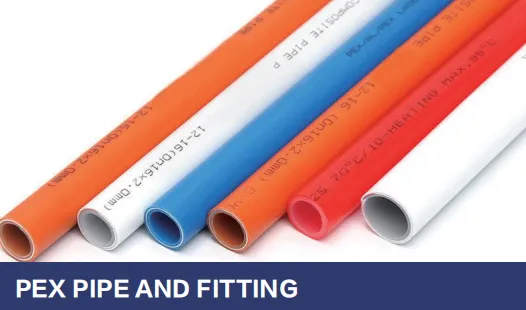
Hospitals have unique layouts—no two are the same. A supplier should offer custom lengths, fittings, or color-coded pipes (for easy identification of hot vs. cold lines) to fit the facility's specific needs.
From helping design the system to training the installation team on proper fitting techniques, the supplier should be there every step of the way. Post-installation support, like troubleshooting leaks, is a bonus.
Not all hospital areas have the same plumbing needs. Here's how PEX solutions can be tailored to different zones:
These high-risk areas demand absolute sterility. PEX-A pipes, with their smooth interiors and corrosion resistance, prevent bacterial buildup. Push-fit fittings allow for quick, tool-free installations—critical when every minute counts during renovations. Suppliers often recommend PEX with antimicrobial additives here for extra protection.
Laboratories use water for experiments and equipment cleaning, requiring chemical resistance. PEX pipes stand up to mild acids and alkalis, and their flexibility makes it easy to route lines to under-counter sinks or fume hoods without kinking.
Comfort and safety are key here. PEX's ability to maintain consistent water temperature prevents scalding, while its noise-dampening properties reduce water hammer (that loud banging sound in pipes)—a small detail that makes a big difference for resting patients.
How does PEX stack up against copper and PVC, the old standbys? Let's break it down in a comparison table:
| Factor | PEX | Copper | PVC |
|---|---|---|---|
| Installation Time | Fast (flexible, fewer fittings) | Slow (requires soldering, rigid) | Moderate (gluing needed, rigid) |
| Cost | Affordable (30-50% less than copper) | Expensive (high material and labor costs) | Low material cost, but high labor for large projects |
| Corrosion Resistance | Excellent (no rust or scale) | Poor (prone to pinhole leaks over time) | Good, but can crack in cold temperatures |
| Hygiene | Smooth interior, resists biofilm | Prone to scale buildup; rough interior | Smooth, but can leach chemicals at high temps |
| Temperature Range | -40°F to 200°F (-40°C to 93°C) | -20°F to 300°F (-29°C to 149°C) but loses heat quickly | Max 140°F (60°C) (can warp at higher temps) |
In 2023, a 500-bed hospital in the Midwest embarked on a $20 million renovation, aiming to modernize its plumbing system while minimizing downtime. The facility had struggled with frequent copper pipe leaks in its 30-year-old patient wing, leading to costly water damage and infection control concerns. After consulting with a pex pipe and fitting supplier , the hospital chose PEX-A for the entire wing.
The results were striking: installation took 40% less time than projected, disrupting only two patient rooms at a time instead of the entire wing. Labor costs dropped by 35%, and the hospital reported zero leaks or pressure issues in the first year. Nurses noted quieter pipes, and infection control teams praised the reduced biofilm growth during routine inspections. Today, the hospital is expanding PEX to its ICU and operating rooms, citing it as a "game-changer for patient safety."
PEX systems are low-maintenance, but they're not "set it and forget it." To ensure they last 50+ years in hospitals, follow these tips:
Hospitals are under constant pressure to improve patient care, reduce costs, and meet stricter regulations. Plumbing might not be the first thing that comes to mind, but it's a foundational piece of the puzzle. PEX pipes and fittings offer a winning combination of hygiene, durability, and flexibility that traditional materials can't match. And with the right pex pipe and fitting supplier by your side—one that understands healthcare's unique needs—hospitals can build plumbing systems that support healing, enhance safety, and stand the test of time.
At the end of the day, it's simple: better plumbing means better care. And in healthcare, that's everything.
Recommend Products












