
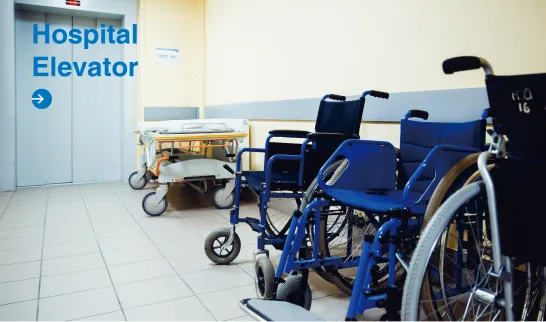
Walking into any busy hospital today, you might not immediately notice them, but hospital elevators are the quiet workhorses keeping everything moving smoothly. These specialized lifts are far more than just boxes moving between floors – they're carefully engineered systems designed to save lives while protecting everyone inside. You'd be amazed at how much thought goes into making these elevators the safest, cleanest, and most reliable way to move people and critical equipment.
When we talk about hospital elevators, we're discussing systems that can mean the difference between life and death during critical moments. Unlike the elevators in your office building, these lifts are built to handle everything from rushing trauma teams to isolating infectious patients. This article will explore what makes hospital elevators unique, why they matter so much for patient outcomes, and what healthcare facilities should consider when choosing them.
Picture this: It's 2 AM in the ER, and a critical patient needs immediate surgery on another floor. Ordinary elevators would cause dangerous delays, but hospital elevators are specifically designed for these intense moments. Their special capabilities set them apart:
Hospital elevators have emergency modes that make them superheroes during crises. Fire service override? Check. Backup power when the main electricity fails? Absolutely. And unlike your apartment elevator that leaves you in the dark, these keep communication lines open with direct intercoms to security. When critical moments arise, these features are literally life-savers.
In hospitals where superbugs pose constant threats, elevator surfaces are designed to fight microorganisms. Many now feature antimicrobial copper surfaces proven to kill bacteria. Others incorporate UV-C lighting cycles that zap pathogens overnight. One California hospital saw infection rates drop 30% after switching to elevators with built-in UV disinfection – these choices matter!
Ever felt that unsettling jolt when a regular elevator stops? Hospital versions have micro-adjustments so smooth you'd barely know you're moving. This leveling precision matters when transporting fragile patients or delicate lab samples. Doctors at Johns Hopkins specifically noted how this smooth operation reduced stress and nausea for their chemo patients moving between treatments.
Standard elevator? Think of hospital elevators instead as mobile intensive care units. Their oversized dimensions aren't for comfort – they're necessities. The difference becomes clear during emergencies:
| Elevator Type | Width | Depth | Clear Door Opening | Typical Load Capacity |
|---|---|---|---|---|
| Standard Passenger Elevator | 1.1 m (43") | 1.4 m (55") | 0.9 m (36") | 1000 kg (10 people) |
| Basic Stretcher Elevator | 1.6 m (63") | 2.4 m (94") | 1.1 m (43") | 1600 kg (8-10 people) |
| Emergency/Trauma Elevator | 2.0 m (79") | 3.0 m (118") | 1.3 m (51") | 2500+ kg (13+ people) |
Notice how hospital elevator dimensions allow full medical teams to work around a stretcher mid-transport? That extra room lets providers monitor vitals or continue CPR without interruption – capabilities that save lives every single day.
Modern hospital elevators come packed with features that seem like science fiction but deliver real impact:
Smart algorithms learn daily patterns to prioritize critical transports. During Boston's morning shift change, elevators automatically detect increased ER traffic to prioritize trauma cases. AI route optimization in large hospitals cuts average transport times by 40% according to hospital logistics studies.
Infrared sensors, foot pedals, and voice commands minimize contamination points. Post-COVID, hospitals everywhere are embracing these contactless systems. Research shows touch controls host 40 times more bacteria than voice-activated systems – a big deal in infection control.
Let's talk dollars – hospital elevators represent serious investments. A quality system typically runs $150,000-$300,000+ depending on customization. But skimping could cost much more when lives are at stake. Key factors influencing price:
| Cost Factor | Basic | Mid-Range | Premium | Impact on Price |
|---|---|---|---|---|
| Safety Features | Standard emergency systems | Enhanced fire & backup systems | Full redundant systems | +20-60% |
| Hygiene Tech | Antimicrobial surfaces | Automated surface disinfection | Air purification + UV cycles | +15-45% |
| Capacity/Dimensions | Standard stretcher size | Large single-patient lift | Full trauma team capacity | +25-100% |
| Smart Systems | Basic controls | AI priority routing | Full IoT integration | +30-70% |
Long-term savings tip: Choosing top elevator suppliers with advanced service plans reduces lifecycle costs 25-40% despite higher upfront expense. Smart maintenance prevents 80% of emergency shutdowns according to hospital facility managers.
Putting hospital elevators in requires military-like precision. Installation teams work odd hours to avoid disrupting patients while maintaining strict clean protocols. Good installers coordinate every detail - from electrical backups to final air filtration checks.
But installation is just the beginning. Regular maintenance separates great hospitals from good ones. Comprehensive care includes:
Modern systems continuously track component health. Sensors alert technicians about cable wear months before failure. One Midwest hospital avoided 6 emergency shutdowns last year using predictive analytics. That's potentially 6 lives saved from delayed critical care.
Post-pandemic, hospital elevators follow rigorous cleaning schedules using CDC-grade agents. Some facilities use tracking sensors to verify cleaning compliance between high-traffic periods - no shortcuts allowed when lives are at stake.
The next generation of hospital elevators might just blow your mind. Early prototypes in Singapore hospitals are testing:
As hospitals evolve, so will these critical transport systems. The elevators we install today need flexibility to incorporate tomorrow's breakthroughs.
It's easy to overlook these systems until emergencies strike. But when seconds matter during a code blue or trauma activation, properly designed hospital elevators:
Hospital elevators symbolize more than machinery - they represent our commitment to preserving life in the most demanding environments. When designed and maintained properly, they become silent guardians that hospitals literally can't afford to live without.
Choosing the right systems today means preserving tomorrow's lives. After all, during critical moments, it's not just an elevator - it's the pathway to hope, healing, and second chances.
Recommend Products












