


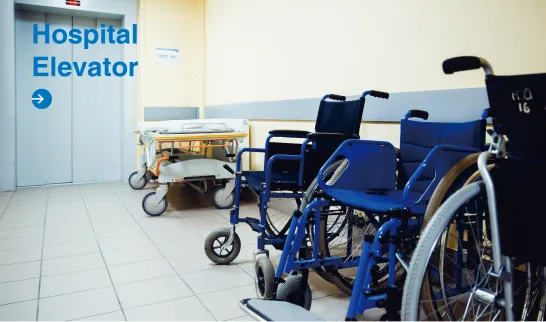
Walk through any hospital, and you'll quickly realize that elevators aren't just a convenience—they're the lifeline of daily operations. From moving critical patients to surgery, transporting medical equipment between floors, or helping visitors navigate sprawling facilities, these machines work tirelessly behind the scenes. But what happens when one breaks down? A delay of even a few minutes could mean the difference between timely care and missed opportunities. That's why choosing the right hospital elevator supplier isn't just about buying a machine—it's about partnering with a team that understands the stakes and offers reliable maintenance contracts to keep those lifelines strong.
Why Hospital Elevators Are Different (And Why Maintenance Matters More)
Hospital elevators aren't like the ones in office buildings or shopping malls. They're built to meet strict safety and hygiene standards, designed to handle heavy loads (think stretchers, MRI machines, or carts stacked with medical supplies), and equipped with features that prioritize patient comfort and security. For example, many hospital elevators include smooth-start technology to prevent jostling for patients with fragile conditions, antimicrobial surfaces to reduce infection risks, and backup power systems to keep running during outages—because in healthcare, "down time" isn't an option.
But even the most well-built elevators need regular care. Wear and tear from constant use, exposure to cleaning chemicals, and the stress of heavy loads can lead to small issues that snowball into big problems. A squeaky door might seem minor, but if left unaddressed, it could jam mid-operation. A slow response time from buttons? That could delay a nurse rushing to an emergency. That's where maintenance contracts come in: they turn "fix-it-when-it-breaks" into "prevent-it-before-it-fails," ensuring elevators stay reliable when lives depend on them.
Meet the One-Stop Partner: More Than Just an Elevator Supplier
When healthcare facilities look for elevator solutions, they're often juggling multiple vendors—one for elevators, another for maintenance, and even more for replacement parts. This fragmented approach can lead to confusion, delays, and higher costs. But what if you could work with a one-stop architectural solution provider that handles everything from supplying the elevator to keeping it running smoothly for years? That's where companies like Coloria stand out.
Coloria isn't just a building material supplier —it's a global partner with decades of experience in the Middle East, including deep roots as a Saudi Arabia building materials supplier . While its portfolio spans everything from solar panels to custom furniture, its elevator solutions (part of the "engineering equipment" category) are tailored specifically for high-stakes environments like hospitals. And because Coloria believes in holistic support, its elevator offerings come with maintenance contracts designed to fit the unique needs of healthcare facilities.
What's in a Hospital Elevator Maintenance Contract? Let's Break It Down
Not all maintenance contracts are created equal. For hospitals, a one-size-fits-all approach won't cut it. Coloria's contracts are built around the reality of healthcare operations—24/7 availability, strict compliance with safety standards, and minimal disruption to patient care. Here's a closer look at what sets them apart:
| Service Type | What It Includes | Why Hospitals Need It |
|---|---|---|
| Preventive Maintenance Checks | Monthly inspections of mechanical systems (motors, cables, brakes), safety features (emergency stops, interlocks), and hygiene components (antimicrobial surface testing). Quarterly deep dives into electrical systems and software updates. | Catches small issues early (like worn cables or sticky buttons) before they cause breakdowns. Ensures compliance with local health and safety regulations, like Saudi Arabia's Ministry of Health standards. |
| 24/7 Emergency Response | A dedicated hotline for urgent issues, with local technicians dispatched within 60 minutes (in major cities like Riyadh or Jeddah) or 2 hours (remote areas). Backup parts inventory on-site for common repairs. | When an elevator stalls with a patient inside, every minute counts. Fast response minimizes risk and keeps operations on track. |
| Compliance & Documentation | Regular reports on elevator performance, safety certifications, and maintenance logs. Assistance with annual regulatory audits (e.g., meeting Saudi Arabia's "2030 Vision" healthcare facility upgrade requirements). | Hospitals face strict inspections—detailed records prove elevators are safe and well-maintained, avoiding fines or operational halts. |
| Training for Hospital Staff | Workshops for facility managers and maintenance teams on basic troubleshooting (e.g., resetting a stalled elevator) and safety protocols during emergencies. | Empowers hospital staff to handle minor issues quickly, reducing reliance on external technicians for small problems. |
For hospitals, these services aren't just "nice to have"—they're essential. A 2023 study by the Saudi Health Facilities Management Association found that facilities with proactive maintenance contracts reduced elevator downtime by 40% compared to those using ad-hoc repair services. That's 40% fewer delays, 40% less stress for staff, and 40% more peace of mind for patients and families.
Why Saudi Arabia Trusts Local Expertise for Hospital Elevators
When it comes to healthcare infrastructure, every region has unique needs—and Saudi Arabia is no exception. With its "2030 Vision" driving investments in healthcare modernization, the demand for reliable, high-quality hospital elevators has never been higher. Facilities are expanding, new medical cities are being built, and existing hospitals are upgrading to meet international standards. In this context, working with a saudi arabia building materials supplier that understands local regulations, cultural nuances, and logistical challenges is a game-changer.
Coloria's presence in Saudi Arabia isn't just a token office—it's a full-fledged operation with local technicians, Arabic-speaking support teams, and a deep understanding of the country's healthcare landscape. For example, many Saudi hospitals prioritize "hajj-ready" infrastructure, meaning elevators must handle sudden surges in patient volume during peak pilgrimage seasons. Coloria's maintenance contracts account for this, with extra inspections and parts stockpiles ahead of these busy periods.
Local expertise also means faster access to replacement parts. Coloria maintains a warehouse in Jeddah stocked with common elevator components—from door sensors to motor parts—so repairs don't get delayed by shipping times. And because the team is familiar with Saudi building codes (like the strict fire safety standards for healthcare facilities), they ensure every maintenance check aligns with national regulations, saving hospitals from costly compliance issues down the line.
Beyond Maintenance: The One-Stop Advantage for Hospitals
Here's the thing about hospitals: they don't just need elevators. They need walls, flooring, electrical systems, and even furniture—all designed to meet healthcare standards. As a one-stop architectural solution provider , Coloria offers hospitals the rare advantage of sourcing all these materials from a single partner. That means fewer vendor contracts to manage, streamlined communication, and even cost savings from bulk purchasing.
Imagine a new hospital wing under construction. Instead of coordinating with separate suppliers for elevators, wall panels, and lighting, the facility manager can work with Coloria to plan, source, and install everything as a cohesive package. And when it comes to maintenance? The same team that installed the elevator is the one maintaining it, ensuring a seamless understanding of the system from day one.
Take, for example, a children's hospital in Dammam that recently partnered with Coloria. Along with installing 10 hospital-grade elevators (each with child-safe controls and colorful, calming interiors), Coloria supplied wall panels, non-slip flooring, and energy-efficient lighting—all tailored to a pediatric environment. Today, the hospital's maintenance team works with a single point of contact for all these systems, making it easier to schedule upkeep and troubleshoot issues.
What to Look for in a Hospital Elevator Maintenance Contract
Not all maintenance contracts are created equal, and choosing the wrong one can leave your hospital vulnerable. Here are a few key questions to ask before signing on the dotted line:
- What's the response time for emergencies? Look for contracts that guarantee on-site technicians within 60–90 minutes for critical issues. In Saudi Arabia, local presence is key here—avoid suppliers who outsource maintenance to teams based in other countries.
- Do they offer tailored maintenance plans? A maternity ward elevator might need different care than one used for transporting heavy equipment. The best contracts let you customize inspection frequency and services based on usage patterns.
- Are parts included, or will you face extra fees? Some contracts charge separately for replacement parts, leading to unexpected costs. Look for all-inclusive plans that cover common components, especially for older elevators.
- Do they provide compliance documentation? Hospitals need to prove elevator safety to regulators. Ensure the contract includes regular certification reports and audit support.
Coloria's contracts check all these boxes—and then some. With options ranging from basic preventive maintenance to full-service "peace of mind" packages, they work with each hospital to design a plan that fits its budget, size, and specific needs. And because they're invested in long-term partnerships, many contracts include annual reviews to adjust services as the hospital grows or usage patterns change.
The Bottom Line: Elevators Keep Hospitals Moving—Maintenance Keeps Them Safe
In healthcare, reliability isn't a luxury—it's a requirement. Hospital elevators are more than machines; they're critical infrastructure that connects caregivers, patients, and resources. When they work well, they fade into the background. When they don't, the consequences can be serious.
That's why choosing a hospital elevator supplier that offers robust maintenance contracts is one of the smartest investments a healthcare facility can make. It's about more than avoiding breakdowns—it's about ensuring that every time a nurse presses that elevator button, they can trust it to get them where they need to go, safely and on time.
For hospitals in Saudi Arabia and beyond, Coloria stands out as a partner who understands this. With local expertise, a one-stop approach to building solutions, and maintenance contracts designed for the unique demands of healthcare, they're not just selling elevators—they're helping keep healthcare moving forward. Because in the end, a well-maintained elevator isn't just about convenience. It's about care.










