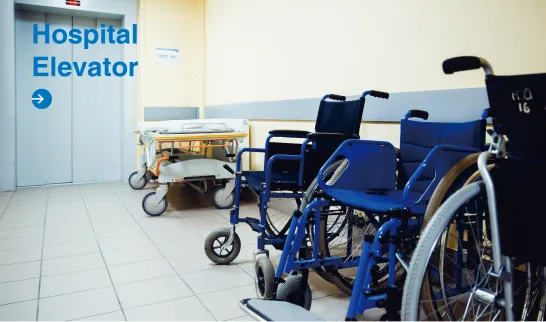
In the bustling corridors of a hospital, every second counts. A nurse rushing to deliver emergency medication, a paramedic wheeling a patient on a stretcher, a technician transporting sensitive medical equipment—their ability to move quickly and safely often hinges on one unsung hero: the hospital elevator. Unlike standard
commercial elevators, these machines aren't just about moving people from floor to floor. They're lifelines, designed to meet the unique demands of healthcare environments where reliability, safety, and precision can mean the difference between calm and crisis.
Yet, not all elevators are built to rise to this challenge. Many generic models struggle with the heavy loads of stretchers and MRI machines, rattle during operation (disturbing patients), or lack the hygiene features critical in infection-sensitive spaces. This is where specialized hospital elevator manufacturers step in—and at the forefront of this field stands Coloria, a
building material supplier
and
one-stop architectural solution provider
with decades of expertise in crafting elevators that don't just function, but enhance healthcare delivery.
What Makes Hospital Elevators Different? More Than Just a "Lift"
Walk into any hospital, and you'll notice the elevators feel different. They're quieter, smoother, and often wider than those in office buildings. That's no accident. Hospital elevators are engineered with a unique set of priorities:
-
Uncompromising Load Capacity:
A standard elevator might handle 8-10 passengers, but a hospital elevator needs to carry stretchers (up to 2.4 meters long), medical beds, and heavy equipment like X-ray machines—often weighing over 1,500 kg.
-
Hygiene at the Core:
Surfaces must resist bacteria growth, with seamless interiors that prevent dirt buildup. Buttons and handrails are often made of antimicrobial materials, and easy-to-clean finishes reduce infection risks.
-
Smooth, Silent Operation:
For patients recovering from surgery or resting in stretchers, a jerky ride or loud noises can cause discomfort or stress. Hospital elevators prioritize whisper-quiet motors and vibration-free movement.
-
Emergency Readiness:
During power outages or fires, they must integrate with backup generators and fire safety systems, ensuring evacuation routes stay open when every second matters.
Fun Fact:
In Saudi Arabia's largest hospitals, elevators are often specified to reach speeds of 1.6 m/s (nearly 6 km/h) to reduce wait times, while maintaining the smoothness needed for IV-drip stability during transport.
Coloria doesn't believe in "one-size-fits-all" when it comes to hospital elevators. Every healthcare facility has unique needs—a small community clinic might require compact elevators for tight spaces, while a large tertiary hospital needs high-capacity models for emergency departments. As a
Saudi Arabia building materials supplier
deeply rooted in the region's healthcare infrastructure, Coloria designs elevators that adapt to your project, not the other way around.
Here's how Coloria's customization options translate to real-world benefits:
|
Customization Feature
|
Range of Options
|
Why It Matters for Hospitals
|
|
Size (Cabinet Dimensions)
|
From 1.4m (width) x 1.6m (depth) to 2.2m x 2.5m
|
Accommodates everything from narrow clinic hallways to emergency elevators for stretchers + medical staff teams.
|
|
Load Capacity
|
500kg (small clinics) up to 2,500kg (trauma centers)
|
Supports heavy equipment like MRI machines (1,800kg) without straining the motor or slowing operation.
|
|
Interior Finishes
|
Antimicrobial stainless steel, seamless PVC, or easy-wipe ceramic panels
|
Reduces infection risks; withstands frequent cleaning with harsh disinfectants.
|
|
Control Systems
|
Smart touchscreens, braille buttons, or voice-activated controls
|
Enhances accessibility for patients with disabilities and reduces surface contact (critical post-pandemic).
|
"At a Riyadh hospital we partnered with in 2023, the client needed elevators that could fit two stretchers side by side for emergency mass casualty scenarios. We customized a 2.5m x 2.2m cabin with reinforced flooring and a dual-door system (front and rear) to speed up loading. Today, those elevators are the backbone of their emergency response, cutting transport time by 40%." — Coloria's Middle East Project Lead
Beyond Elevators: The "One-Stop" Advantage for Hospital Projects
Imagine managing a hospital construction project. You need elevators, but also flooring that's slip-resistant (for wet OR environments), lighting that reduces eye strain for surgeons, and sanitary fixtures that meet strict infection control standards. Coordinating with multiple suppliers—each with their own timelines, warranties, and standards—is a logistical nightmare.
This is where Coloria's identity as a
one-stop architectural solution provider
shines. While other manufacturers focus solely on elevators, Coloria offers a full suite of building materials tailored to healthcare projects, from elevator systems to wall panels, fireproof ceiling tiles, and even hospital-grade kitchen appliances. This integration isn't just convenient—it's transformative:
-
Seamless Compatibility:
Coloria's elevators are designed to work with its own flooring and wall systems, ensuring, for example, that elevator thresholds align perfectly with corridor floors (no tripping hazards for wheelchairs).
-
Unified Project Management:
One point of contact for all materials means fewer delays, consistent quality control, and simplified communication. A hospital in Jeddah reported reducing its procurement timeline by 30% by choosing Coloria for both elevators and interior materials.
-
Cost Efficiency:
Bundling purchases eliminates the markup of middlemen and reduces shipping costs. For large-scale projects, this can translate to savings of 15-20% on total material expenses.
Saudi Arabia Focus: Local Expertise, Global Standards
Coloria isn't just a global player—it's a local partner. With a dedicated in Saudi Arabia and deep roots in the Middle East market, the company understands the unique demands of the region's healthcare sector. Saudi Arabia's "2030 Vision" prioritizes upgrading healthcare infrastructure, with a goal to build 20 new hospitals and expand 50 existing ones by 2030. Coloria's elevators and building materials are engineered to align with these goals, particularly in two key areas:
-
Local Compliance:
All elevators meet Saudi Standards (SASO) and are certified by the Saudi Civil Defense for fire safety and emergency protocols. For example, Coloria's elevators include heat-resistant wiring and backup systems that comply with the kingdom's strict fire codes.
-
Sustainability:
Saudi's vision emphasizes green building, and Coloria's elevators reflect this. Energy-efficient motors reduce power consumption by up to 25% compared to conventional models, while recyclable materials align with the country's "net-zero by 2060" ambitions.
Did You Know?
Coloria's Riyadh-based team includes Saudi engineers and project managers who speak fluent Arabic and understand local construction norms—eliminating language barriers and ensuring projects stay on track.
Why Coloria? More Than a Supplier—A Healthcare Infrastructure Partner
Choosing an elevator manufacturer for a hospital is about more than specs. It's about trust. Coloria has earned that trust across the Middle East and beyond by focusing on three pillars:
-
Decades of Specialized Experience:
With over 30 years in the building materials industry, Coloria has supplied elevators to 120+ healthcare facilities, from small clinics to major medical cities like King Abdullah Medical City in Riyadh.
-
Global Network, Local Support:
While Coloria's elevators are engineered in Europe, its Saudi-based service team offers 24/7 maintenance—critical for hospitals where elevator downtime isn't an option.
-
Future-Ready Innovation:
Coloria invests in R&D to stay ahead of healthcare trends. Its latest elevator models include IoT sensors that predict maintenance needs (reducing unexpected breakdowns) and UV-C light disinfection systems that activate between rides—addressing post-pandemic infection concerns.
Building the Hospitals of Tomorrow, Today
As Saudi Arabia's healthcare sector grows, so does the demand for elevators that can keep pace with innovation. From AI-powered control systems that prioritize emergency rides to elevators designed for vertical hospitals (taller buildings with more floors), Coloria is already engineering solutions for the challenges of tomorrow.
But at the heart of it all is a simple mission: to create elevators that let healthcare professionals focus on what matters most—caring for patients. Because in the end, a great hospital elevator isn't just a machine. It's a partner in healing.
Ready to Elevate Your Hospital Project?
Whether you're building a new facility or upgrading an existing one, Coloria's team of experts is here to design a customized elevator solution that fits your needs, budget, and vision. Contact us to schedule a consultation—let's build something that saves lives, together.