
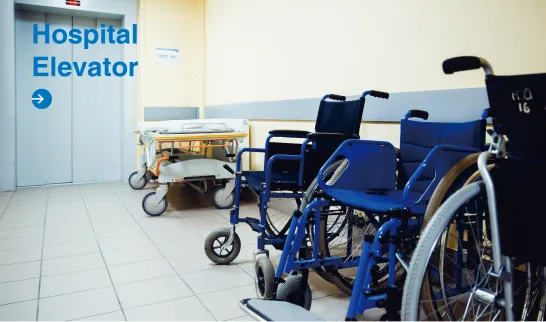
Let's be real – when you're running a hospital, elevators probably aren't the first thing on your mind. Between patient care, staffing, and all those regulations, it's easy to think of elevators as just metal boxes that move up and down. But here's the thing: those metal boxes are literally lifelines in healthcare settings.
A hospital elevator isn't just transportation - it's the critical link between a heart attack patient and the cath lab, the silent partner rushing organs to transplant surgery, and the helping hand for an elderly visitor trying to find their loved one. Get this choice wrong, and everything from patient outcomes to staff morale takes a hit.
I've seen hospitals where elevators became bottlenecks – where that extra 30-second wait caused tempers to flare and delayed critical care. And I've seen hospitals with smart elevator systems that became transparent partners in care delivery. The difference is huge.
Before you even look at brochures, grab a coffee with your facilities team and ask:
Perfect for: Smaller clinics, low-rise buildings, budget installations
What to know: Like the reliable pickup truck of elevators - not fancy but gets the job done. Runs on fluid power, so it moves a bit slower but handles weight well. Downside? It's not the most energy-efficient kid on the block.
Perfect for: Multi-story hospitals, high-traffic areas, energy-conscious facilities
What to know: The sports car of elevators - quicker and smoother than hydraulic systems. Uses electric motors and counterweights, which means less energy consumption long-term. Pricier upfront but better long haul.
Hospital elevators operate under intense pressure and scrutiny - safety can't be an afterthought. Think beyond basic inspections to built-in safeguards:
Remember the Texas hospital incident in '19? Elevator fire-rated doors contained smoke spreading between floors, buying crucial evacuation time. Your elevator door isn't just metal - it's a fire barrier. Choose accordingly.
Modern systems don't wait to break down. Sensors track:
You get alerts weeks before failures - no more midnight breakdowns during emergencies.
This isn't sci-fi - smart routing reduces wait times 30% by grouping riders headed to the same zone. Doctors love it when they're racing between floors during rounds.
Post-pandemic reality: voice commands ("Cardiology, please") and phone app controls reduce germ spread. Better yet - integrated UV-C light cleaning cycles between peak hours.
Too many hospitals overlook how elevator environments affect patient stress:
A pediatric hospital I consulted for used playful ceiling graphics and gentle lullaby chimes - kids stopped dreading elevator rides. Simple touch, big impact.
Ranges from $75K to over $250K per unit. What moves the needle:
Remember: Hospital-grade ≠ commercial models. Don't cheap out.
The real value emerges over years:
One hospital saved $15K/year in energy alone after upgrading their 40-year-old hydraulic fleet. That pays for upgrades faster than you'd think.
Beyond dollars:
Not all elevator suppliers specialize in healthcare - it's a distinct niche. When evaluating potential suppliers:
Some hospital administrators only compare bottom-line prices. Big mistake. The cheapest quote often costs double in downtime and frustration later. Find vendors who speak your language and understand hospital rhythms.
Gather stakeholders: Facilities, nursing, EVS, security. Map pain points and dream solutions. Document everything - this becomes your spec.
Invite 3-5 qualified bidders. Host walkthroughs - watch how they analyze your space. Eliminate cookie-cutter proposals.
Refine plans addressing workflow realities: Where will gurneys wait? How will cleaning happen? Mockup key interactions.
Phase meticulously around patient care areas. Noise containment plans, dust barriers, and after-hours work are non-negotiable.
Beyond basic ops - emergency protocols, reporting quirks, cleaning standards. Empower your teams.
Tomorrow's systems will seamlessly connect with hospital infrastructure:
Look for:
Here's the truth most sales reps won't say: buying hospital elevators isn't about metal and motors. It's about enabling better care. The right choice disappears into your workflow - quietly dependable, intuitively responsive, and fundamentally safe.
Invest time upfront. Bring stakeholders together. Demand solutions tailored to healthcare's unique pressures. Because when that elevator arrives just as a code team needs it, or provides a moment of calm for an anxious family, you'll know you made the right call.
Recommend Products












