August 7, 2026 | Building Materials Guide
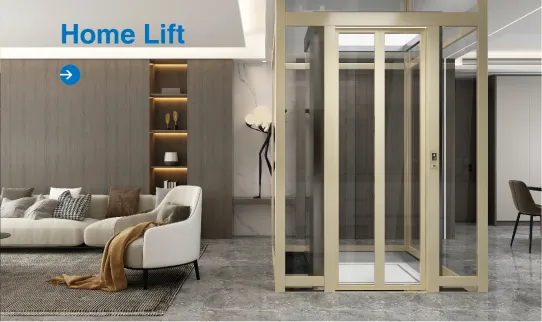
Home lifts are no longer reserved for luxury estates. Across residential and commercial projects worldwide, elevators have become a practical addition that enhances accessibility, convenience, and property value. But the key to a successful installation lies not just in picking the right model — it starts with selecting a dependable
home lift supplier who can deliver quality products, professional guidance, and reliable after-sales support. Whether you are a homeowner planning a villa upgrade or a contractor sourcing for a multi-unit development, understanding what to look for in a supplier will save you time, money, and future headaches.
Why a Home Lift Is a Worthwhile Investment
Installing a home lift brings multiple long-term benefits. For families with elderly members or individuals with mobility challenges, it eliminates the daily strain of navigating stairs and significantly reduces the risk of falls. Beyond accessibility, a home lift adds measurable value to the property — potential buyers often view a well-installed residential elevator as a premium feature that sets the home apart. Modern designs are compact, energy-efficient, and can be integrated into existing structures with minimal disruption. From a practical standpoint, moving furniture, groceries, and laundry between floors becomes effortless, making everyday life smoother for everyone in the household.
Understanding the Types of Home Lifts
Before approaching a supplier, it helps to understand the main categories of residential elevators available on the market:
Hydraulic Lifts: Powered by a hydraulic pump and fluid-driven piston, these lifts offer smooth, quiet operation and are well-suited for low to mid-rise homes. They typically require a machine room but provide excellent load capacity.
Traction Lifts: Using a counterweight system and steel ropes or belts, traction elevators are energy-efficient and can travel at higher speeds. They are a popular choice for taller residential buildings.
Pneumatic (Vacuum) Lifts: These space-saving lifts operate using air pressure and require no pit or machine room, making them ideal for retrofitting into existing homes with limited space.
Platform Lifts: Designed primarily for wheelchair accessibility, platform lifts are a cost-effective solution for shorter vertical distances and require minimal structural modifications.
Each type has its own installation requirements, cost structure, and maintenance needs. A knowledgeable
home lift supplier will assess your specific situation and recommend the most suitable option based on your building layout, budget, and usage expectations.
What to Look for in a Home Lift Supplier
Choosing the right supplier is arguably more important than choosing the lift itself. Here are the key criteria to evaluate:
Product Range: A capable supplier should offer multiple lift types and configurations. Beyond home lifts, look for a provider with a broader portfolio — this indicates deep industry expertise. For example, COLORIA GROUP is an established
elevators supplier whose product line covers home lifts, hospital elevators, freight lifts, car lifts, commercial escalators, and moving walks. This breadth of experience means the supplier understands diverse engineering requirements and safety standards across different applications.
Safety Certifications: Verify that the supplier's products meet international safety standards. Look for certifications such as ISO 9001, CE marking, or equivalent regional compliance. Elevators are safety-critical equipment, and cutting corners on certification is never acceptable.
Installation and After-Sales Support: A lift is a long-term investment that requires periodic maintenance. Confirm that the supplier provides installation guidance, spare parts availability, and accessible technical support. Suppliers with a global presence or regional agents are better positioned to offer timely after-sales service.
Customization Capability: Every home has unique dimensions, interior styles, and functional requirements. A good supplier should offer cabin customization options — including materials, finishes, lighting, and control panel design — so the lift integrates seamlessly with your interior decor.
Supply Chain Reliability: For international buyers and large-scale projects, a supplier's ability to manage logistics, meet delivery timelines, and handle export documentation is critical. Working with a supplier that has proven export experience reduces project risk significantly.
Why COLORIA GROUP Is a Trusted Partner for Home Lift Solutions
COLORIA GROUP, headquartered in Foshan, China — one of the world's largest building materials manufacturing hubs — is a one-stop solution provider covering 13 major product categories including elevators, walls, flooring, sanitary fixtures, customized furniture, home appliances, windows and doors, lighting, solar panels, and more. With an overseas agent in Saudi Arabia, the company serves residential and commercial clients across multiple continents.
As a comprehensive
home lift solutions provider, COLORIA GROUP offers home lifts designed for safety, durability, and aesthetic appeal. The company's elevator category also includes hospital elevators for healthcare facilities, freight lifts for industrial use, car lifts for parking systems, commercial escalators for retail environments, and moving walks for airports and transit hubs — all backed by decades of industry experience and a commitment to customer satisfaction.
What sets COLORIA GROUP apart is the integrated approach: because the company supplies materials across the full spectrum of interior and exterior construction, clients can source their home lift alongside complementary products — such as flooring, wall panels, lighting fixtures, and electrical systems — from a single reliable partner. This streamlines procurement, ensures product compatibility, and simplifies project management for builders, developers, and homeowners alike.
Installation Considerations for Home Lifts
Even with a top-quality lift, a successful installation depends on proper planning. Key factors to address early in the process include:
Space Requirements: Measure the available shaft area, headroom, and pit depth. Modern compact lifts can fit into spaces as small as a few square meters, but accurate measurements are essential before ordering.
Structural Readiness: Some lift types require a load-bearing shaft, machine room, or reinforced walls. Consult with your supplier and a structural engineer to confirm your building can accommodate the chosen model.
Power Supply: Home lifts typically require a dedicated electrical circuit. Ensure your electrical system can handle the load, and discuss backup power options with your supplier for emergency situations.
Maintenance Schedule: Regular inspections and servicing are essential for safety and longevity. Clarify the recommended maintenance frequency, spare parts availability, and whether the supplier offers maintenance training or service contracts.
Making the Final Decision
When comparing options, avoid focusing solely on the initial purchase price. A lower upfront cost may come with compromises in safety features, build quality, or after-sales support — all of which can lead to higher expenses over the lift's lifetime. Instead, evaluate the total cost of ownership: product quality, installation complexity, energy consumption, maintenance frequency, and expected service life. Request detailed quotations from multiple suppliers, ask for references from past clients, and if possible, visit completed installations to see the product in real-world use. A trustworthy supplier will be transparent about specifications, timelines, and costs from the outset.
Frequently Asked Questions
Q: How much space does a home lift require?
Modern home lifts are designed for compact footprints. Depending on the model, a residential elevator can fit into a shaft area of approximately 1 to 2 square meters. Pneumatic lifts require even less space and no machine room or pit. Consult your supplier with your specific dimensions to determine the best fit.
Q: Are home lifts safe for elderly family members?
Yes, reputable suppliers equip home lifts with multiple safety features including emergency stop buttons, backup power systems, door interlocks, and overload sensors. Regular maintenance further ensures safe operation over the long term.
Q: Can a home lift be installed in an existing house?
Yes. Many modern home lifts are designed for retrofitting into existing structures. Pneumatic and compact traction models, in particular, require minimal civil work and can often be installed without major structural modifications. A site assessment by the supplier will clarify the feasibility for your specific property.
Q: What is the typical maintenance requirement for a home lift?
Most manufacturers recommend professional inspection and servicing every 6 to 12 months, depending on usage frequency and local regulations. Routine maintenance includes checking mechanical components, electrical systems, safety devices, and door operations.
Ready to Explore Home Lift Options for Your Project?
Choosing the right
home lift solutions starts with a conversation. COLORIA GROUP offers a comprehensive range of elevators for residential, commercial, and industrial applications — all backed by a global supply chain and a commitment to quality. Whether you need a single home lift for a private villa or a full package of building materials for a large-scale development, the team is ready to provide tailored recommendations and competitive quotations.
Visit
COLORIA GROUP to browse the full product catalog, or contact the team directly via WhatsApp at +86-13630185350 to discuss your requirements. Together we build the future — one floor at a time.